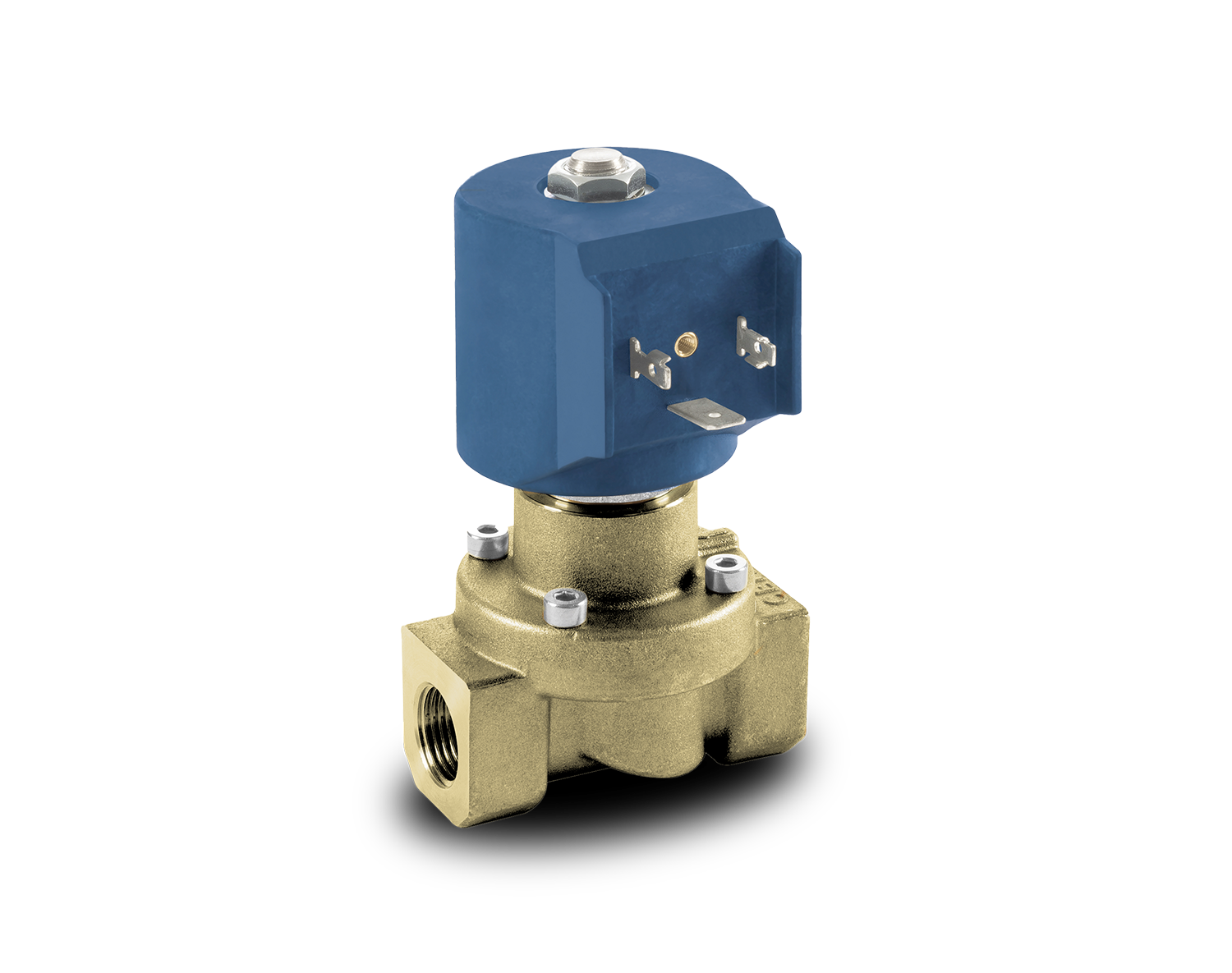
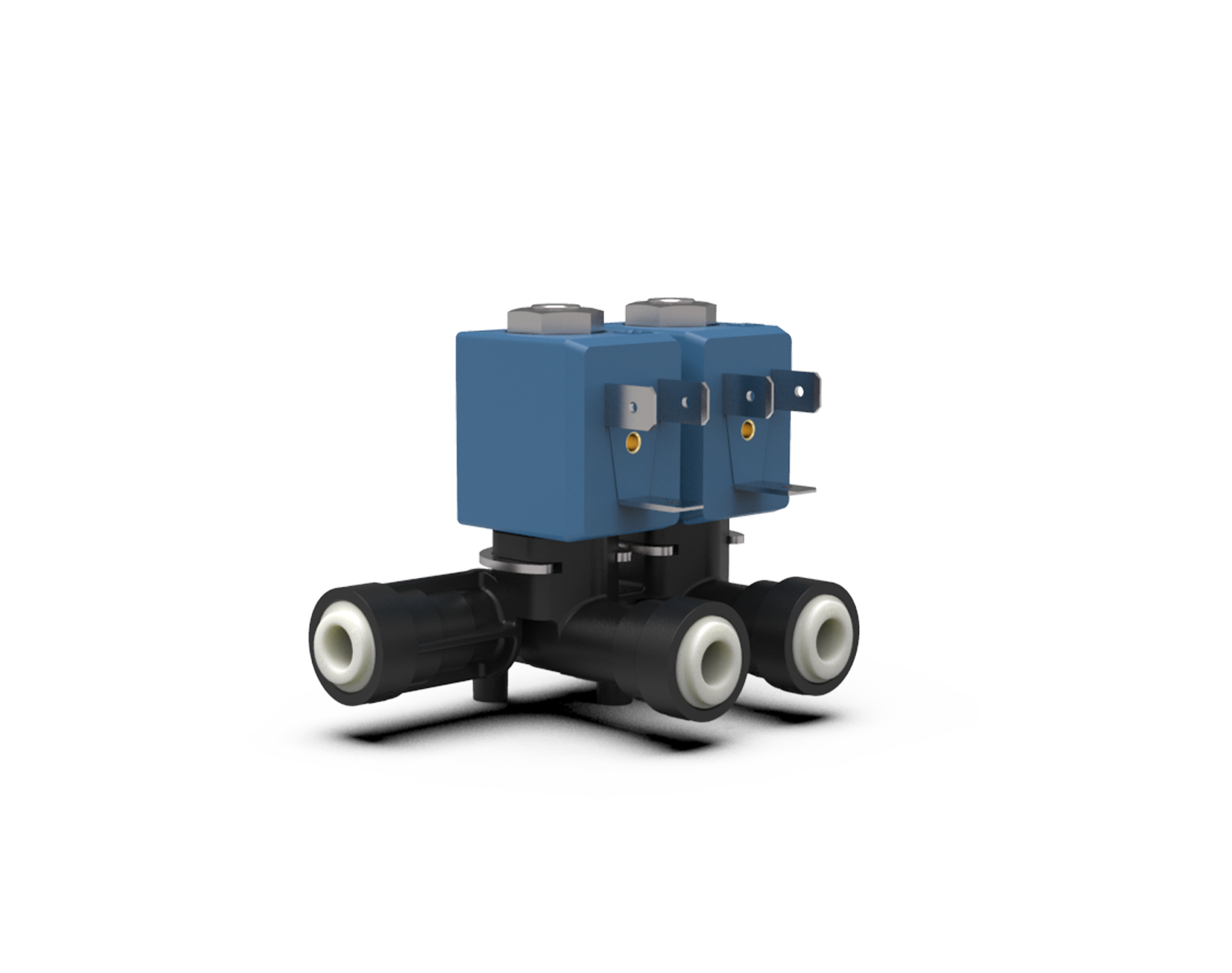
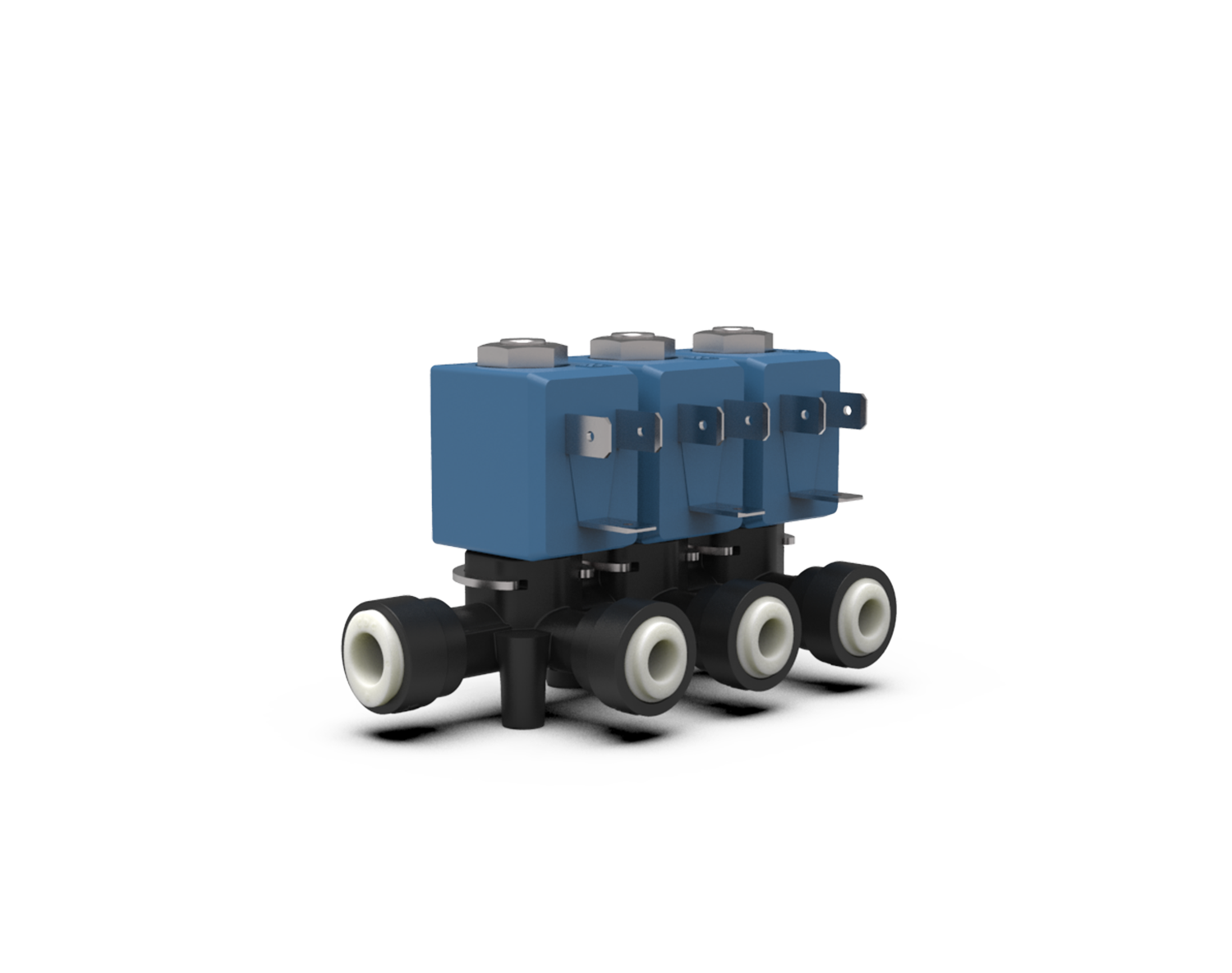
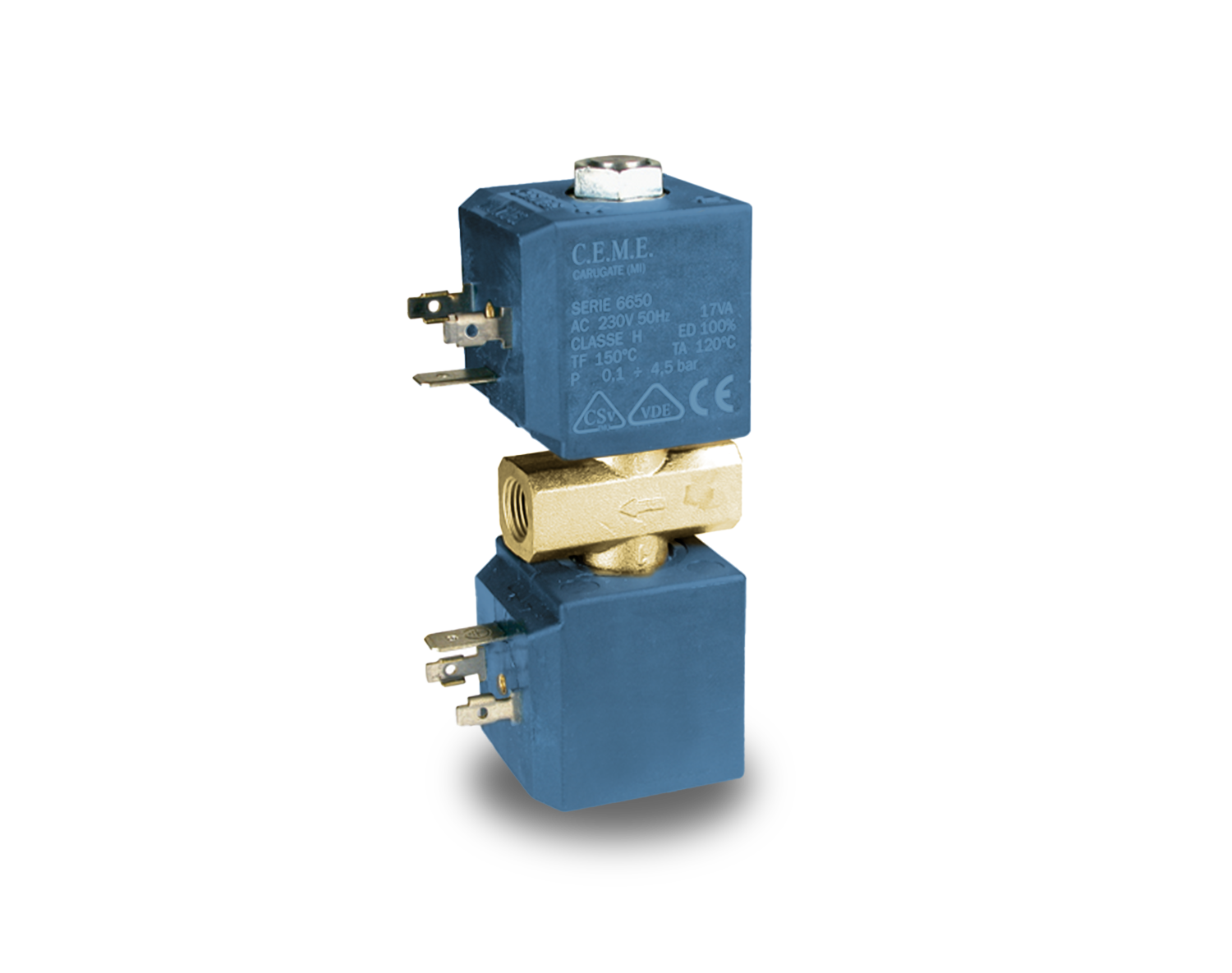
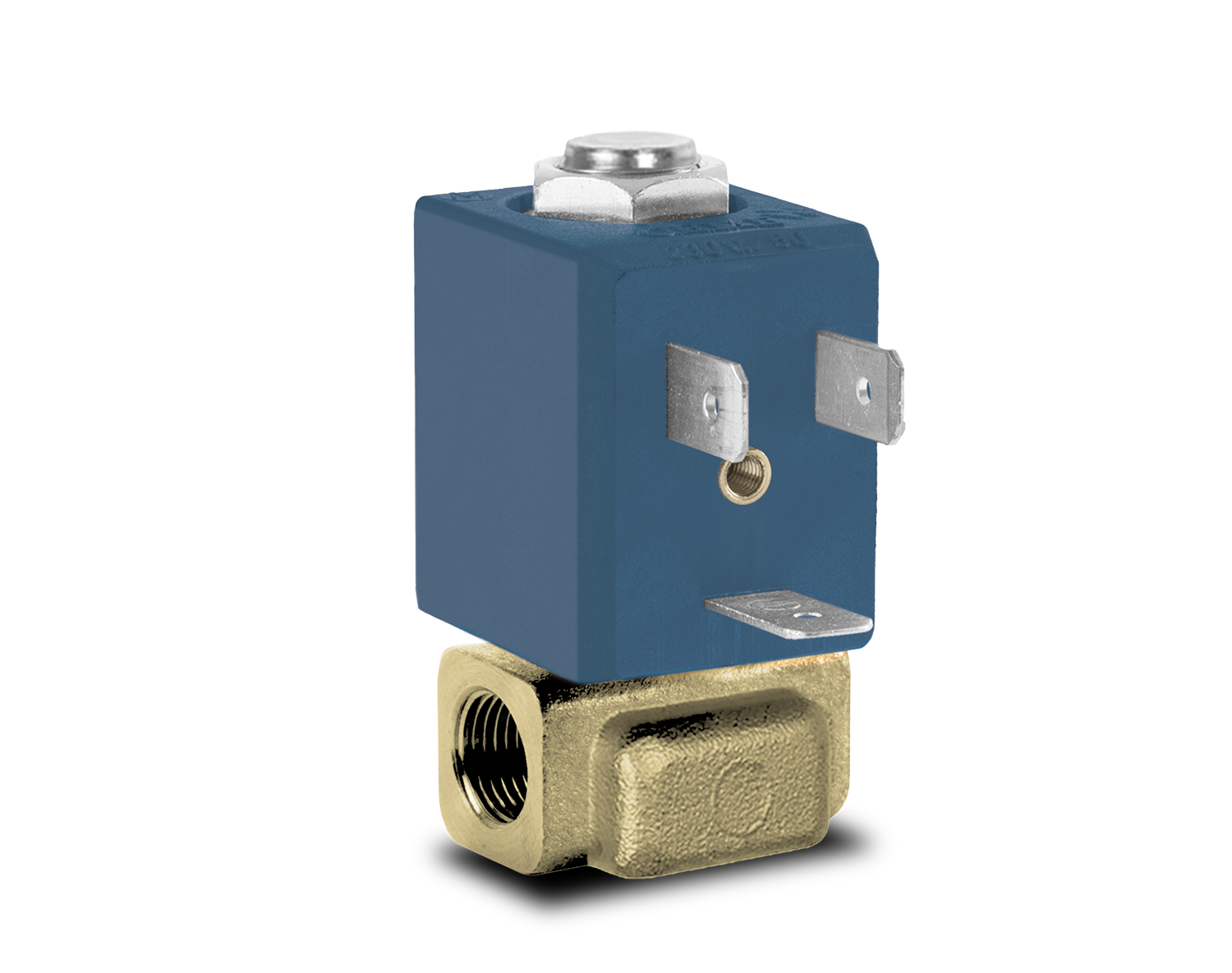
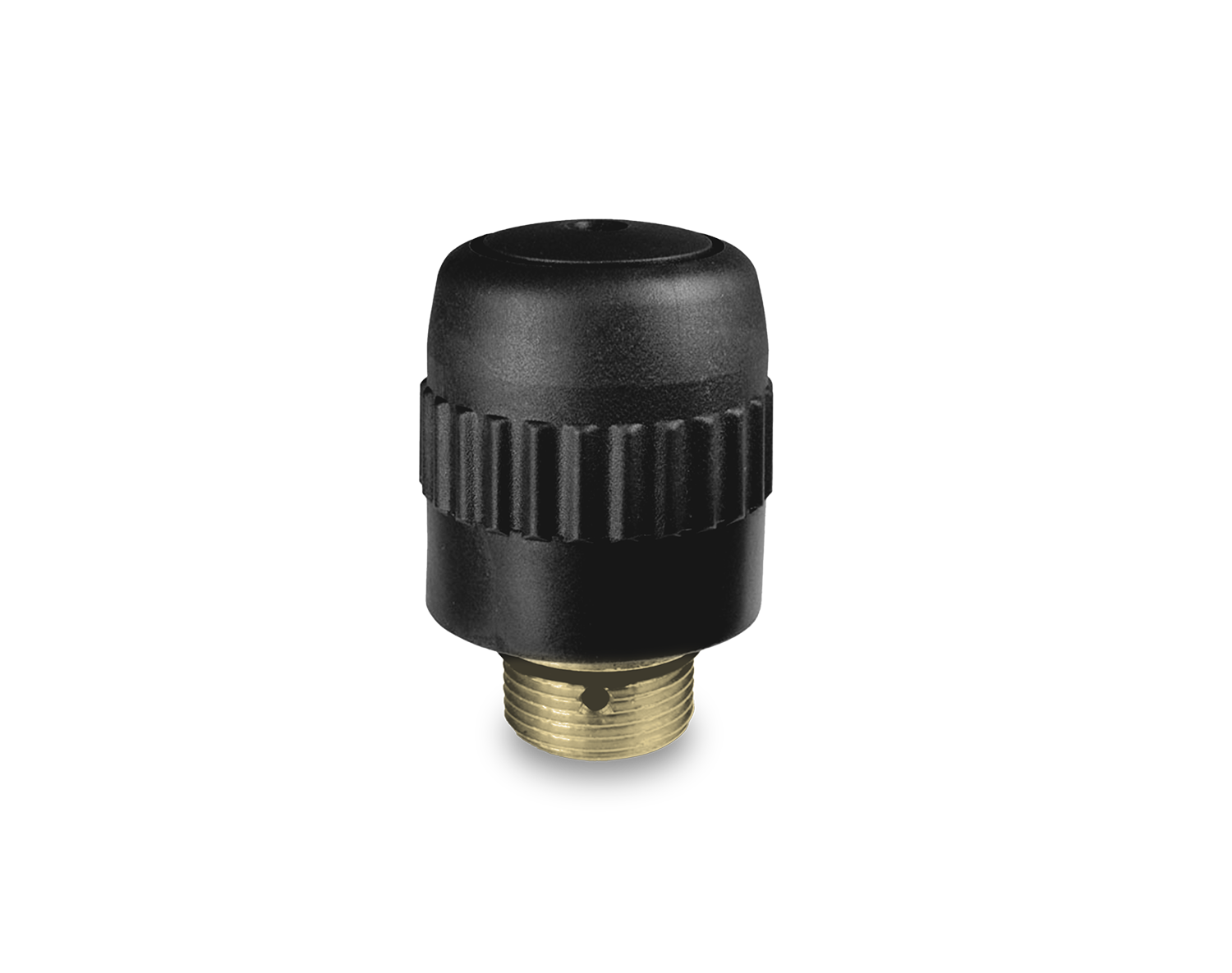
Water transducer
Water transducers are essential devices for monitoring and controlling pressure in hydraulic systems. Used in a variety of sectors, from industrial plant management to residential systems, these sensors transform water pressure into an electrical signal that can be interpreted by control systems. Thanks to their precision and reliability, water transducers are essential for optimizing water consumption, ensuring safety, and improving system operational efficiency.
Operation
The water transducer works by converting water pressure into a proportional electrical signal. The heart of the device is a piezoresistive or capacitive sensor, which undergoes deformation based on the pressure exerted by the fluid. This change is then translated into an electrical signal, which can be processed by a control system to monitor and adjust the pressure in real time.
The main components of a water transducer include:
- Pressure sensor: detects changes in hydraulic pressure.
- Conversion element: converts the mechanical signal into an electrical signal.
- Amplification circuit: processes the signal for transmission to control devices.
Our water transducers
Types of water transducers
Absolute pressure transducers:
Measure pressure relative to absolute vacuum, ideal for advanced industrial applications.
Gauge pressure transducers:
Detect pressure relative to atmospheric pressure, widely used in common hydraulic systems.
Differential pressure transducers:
Calculate the pressure difference between two points, essential in filtration and fluid monitoring systems.
Piezoresistive transducers:
Based on a strain gauge bridge, they offer high sensitivity and accuracy.
Capacitive transducers:
Use variations in electrical capacitance to detect pressure changes, ensuring excellent performance in harsh environments.
Applications of water transducers
HVAC and air conditioning:
Pressure monitoring in heating, ventilation, and air conditioning systems.
Manufacturing:
Pressure regulation in hydraulic and pneumatic circuits.
Medical:
Pressure measurement in fluid control devices.
Automotive:
Pressure control in cooling and injection systems.
Water treatment:
Pressure management in water filtration and distribution processes.
Food industry:
Pressure monitoring in processing and packaging processes.
Domestic systems:
Pressure regulation in plumbing systems to optimize water consumption.