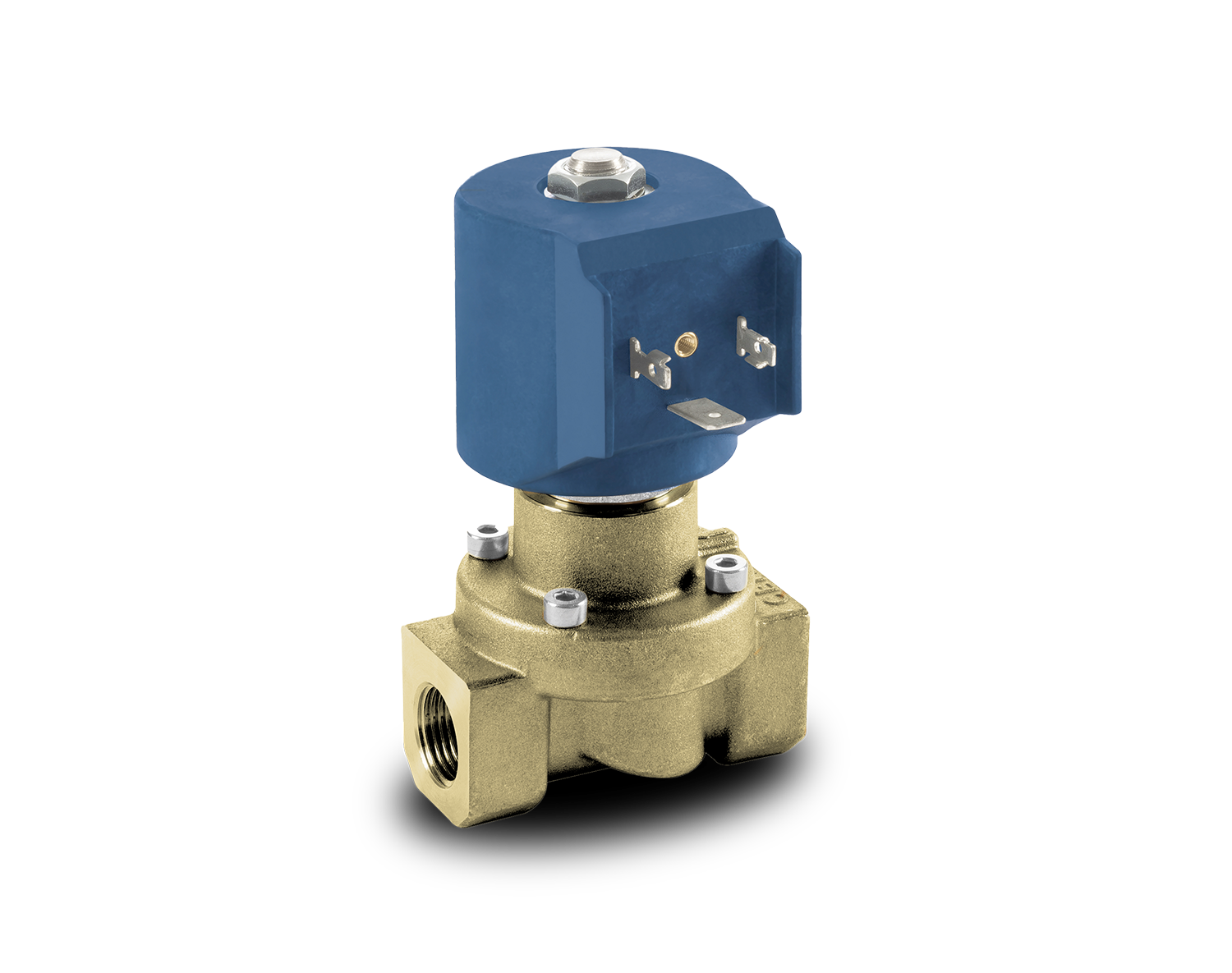
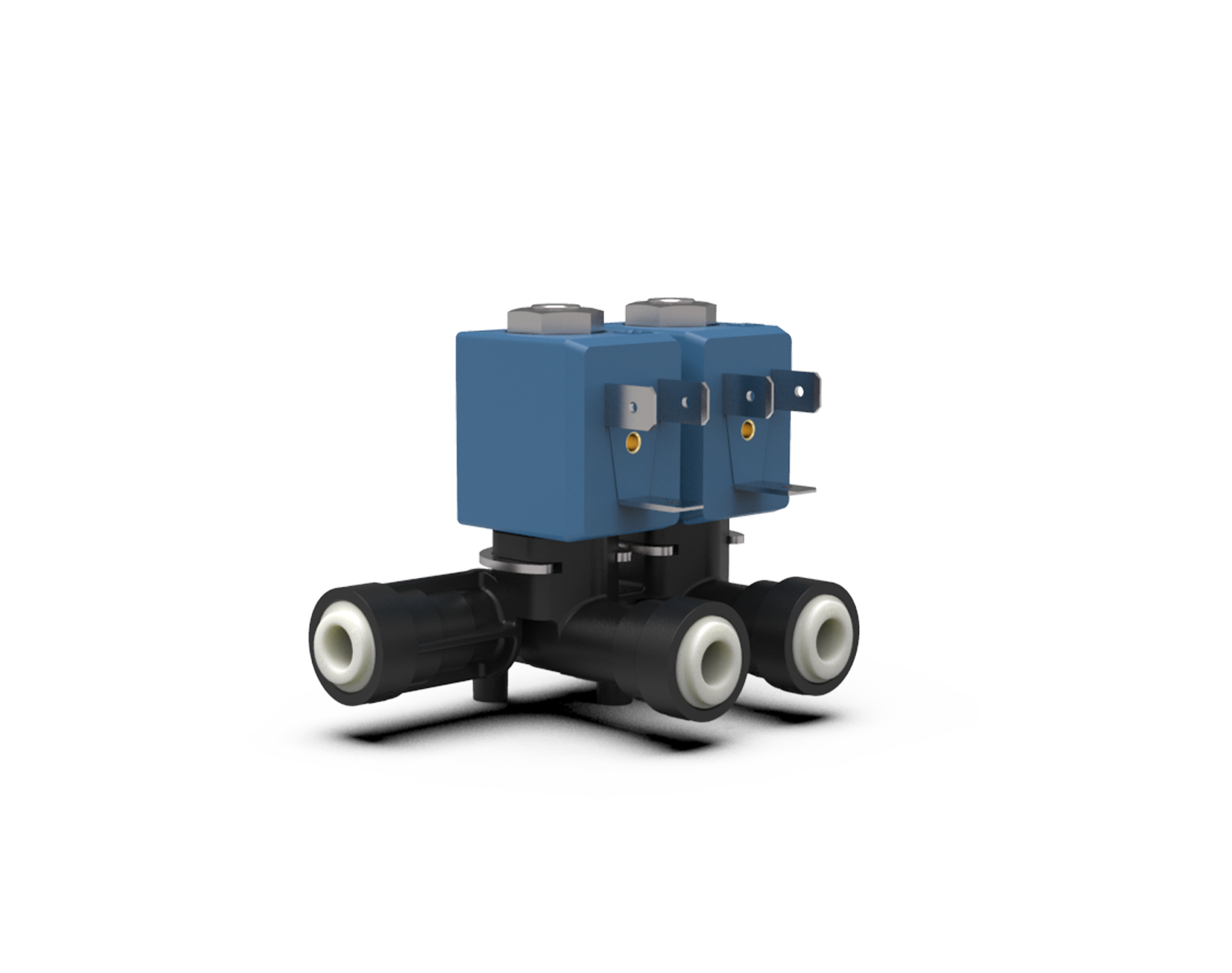
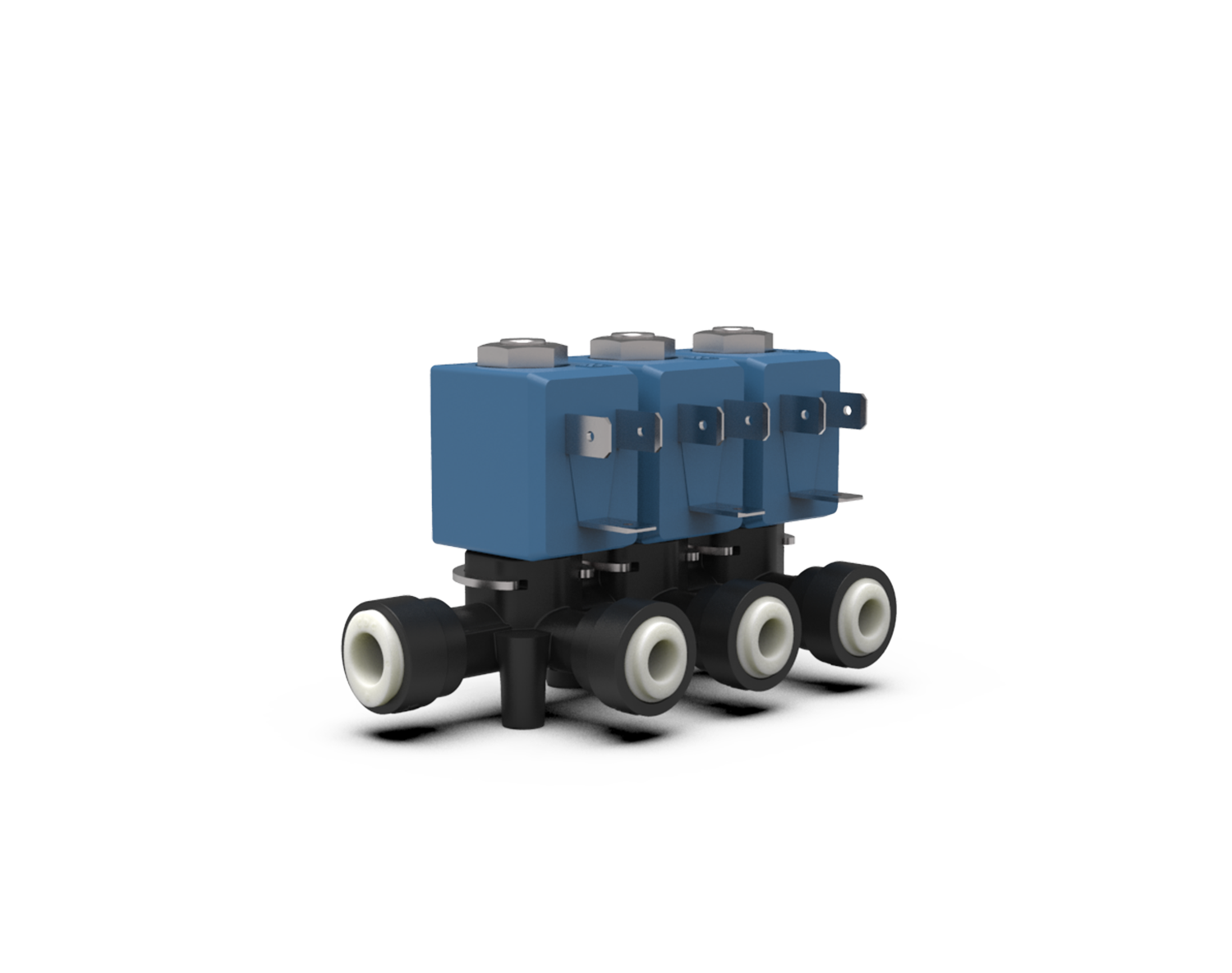
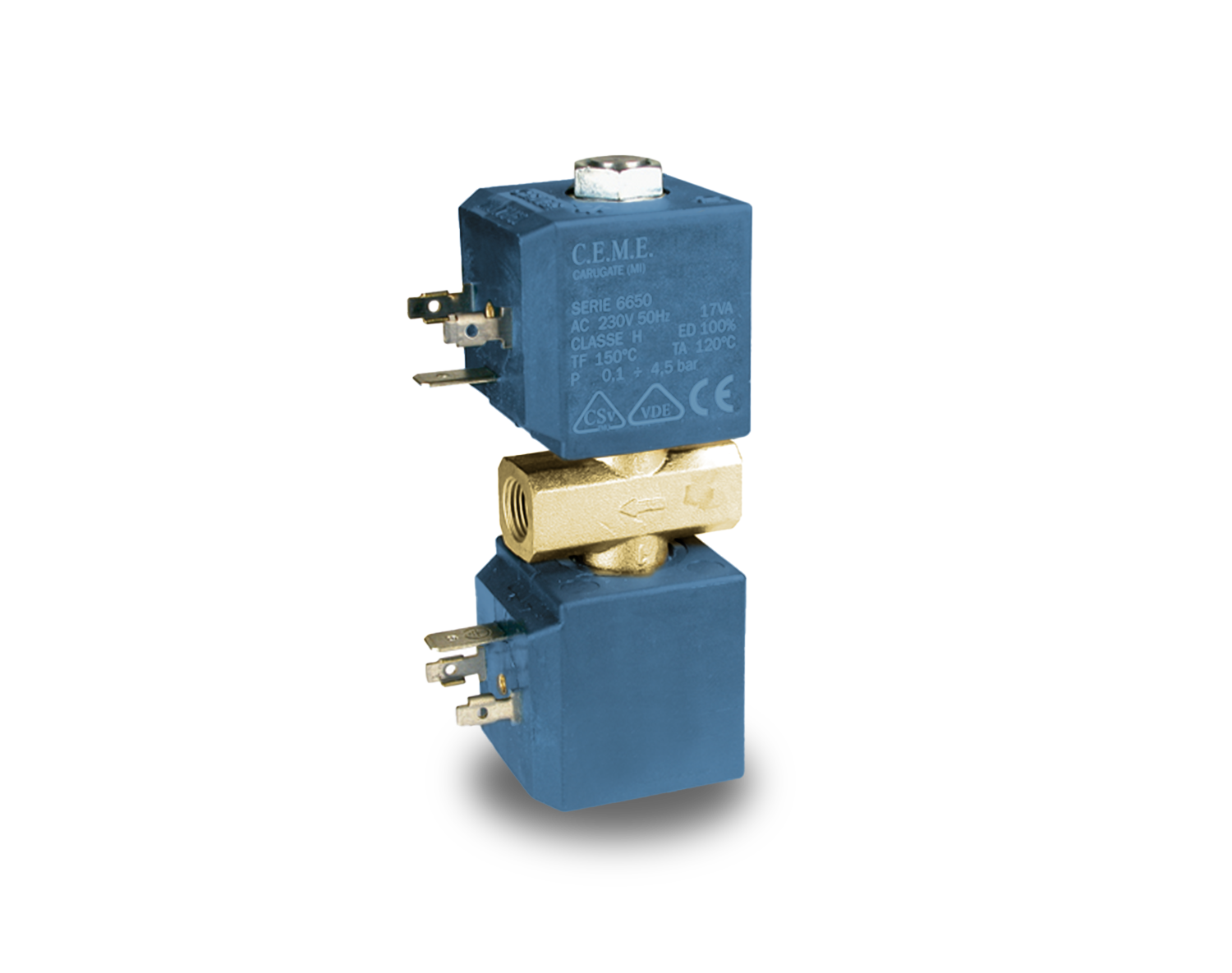
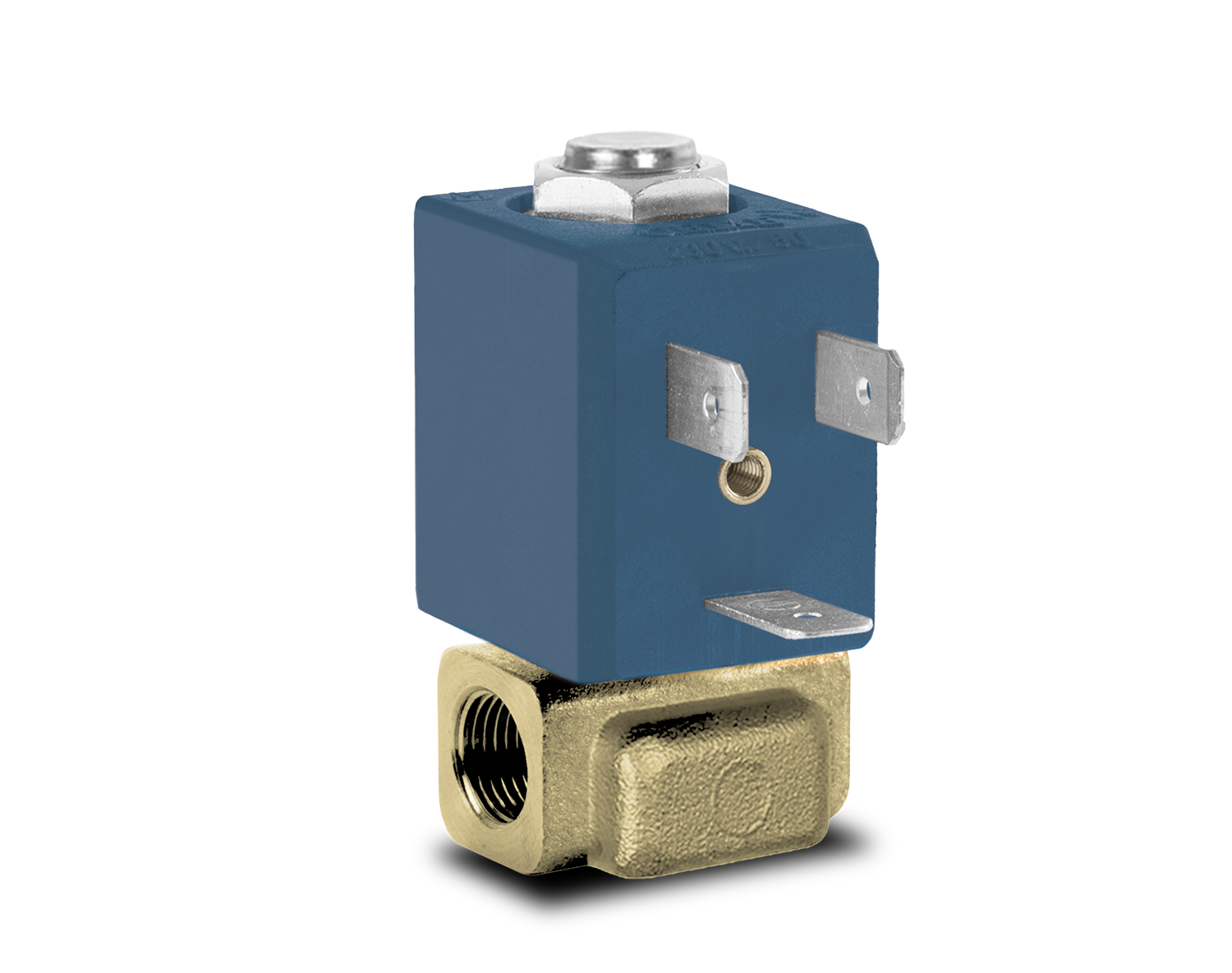
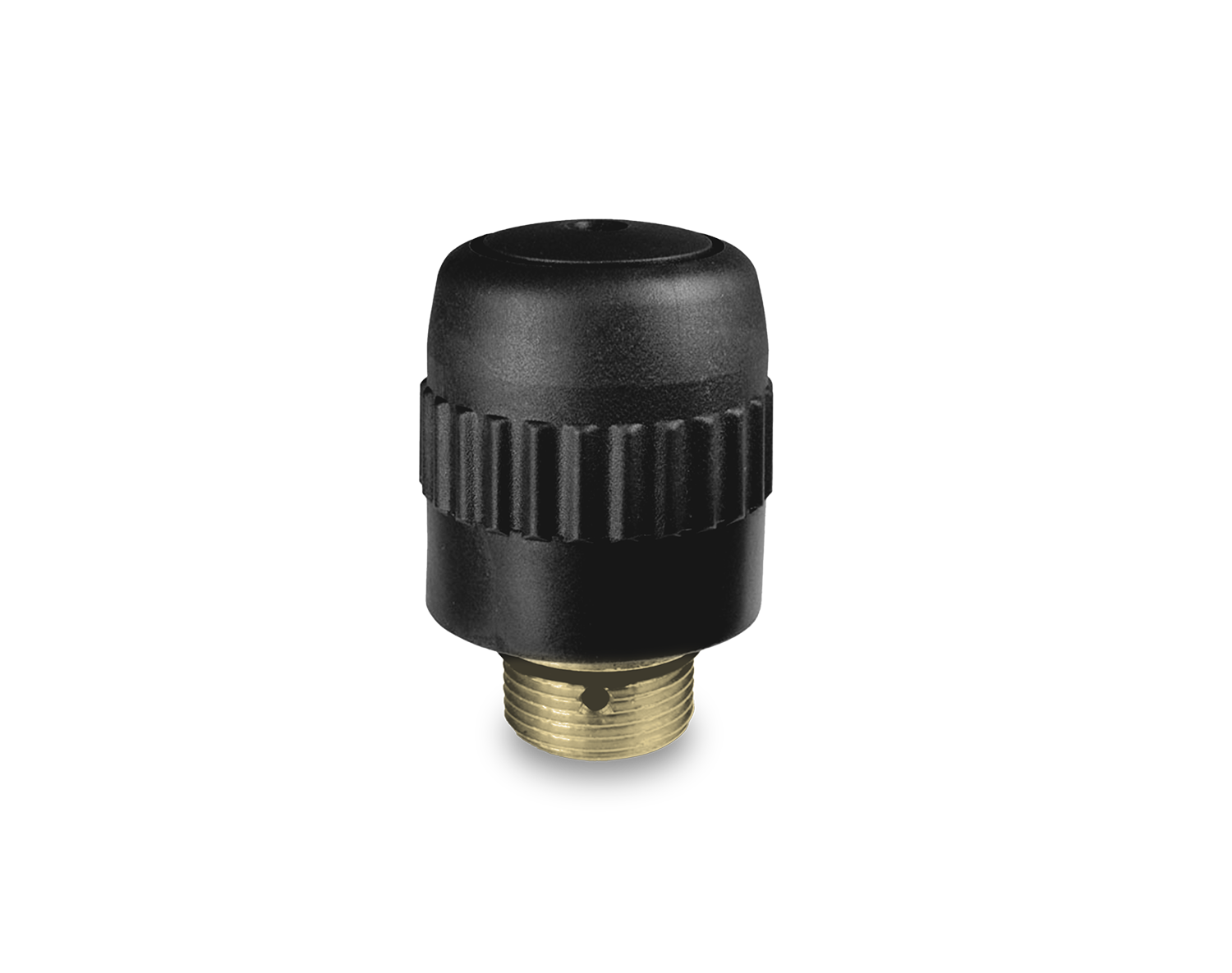
Air conditioning solenoid valve
Air conditioning solenoid valves are crucial components in HVAC systems, as they regulate the flow of refrigerant within the system. These valves control the passage of refrigerant between the various parts of the circuit, thus ensuring efficient and optimal operation of the air conditioning system. Essential to the proper functioning of air conditioning units, solenoid valves ensure reliable performance and help improve the energy efficiency of the systems.
Operation
An air conditioning solenoid valve is an electromechanical device that regulates the flow of refrigerant through the air conditioning system. It operates using a solenoid that, once activated, opens or closes the flow of refrigerant according to the system’s needs.
- Circuit opening: When the air conditioning system requires refrigerant flow, the solenoid valve activates, allowing the fluid to flow toward the heat exchanger or other system components.
- Circuit closing: Once the desired temperature is reached, the solenoid valve closes, interrupting the flow of refrigerant and maintaining the system in optimal operating conditions.
- Reverse cycle regulation: In heat pumps, solenoid valves are used to manage the transition between cooling and heating by reversing the flow of refrigerant within the circuit.
The efficiency of an air conditioning system depends heavily on the correct functioning of the solenoid valves, which must be designed to withstand high pressures and temperature variations.
Our air conditioning solenoid valves
Types of air conditioning solenoid valves
Two-way solenoid valves:
These control refrigerant flow in a single direction, opening and closing the passage as needed.
Three-way solenoid valves:
These allow refrigerant flow to be diverted between two alternative paths, often used in heat pumps to control the reverse cycle.
Normally closed (NC) solenoid valves:
The fluid flow is blocked until the valve is electrically activated.
Normally open (NO) solenoid valves:
The refrigerant flow is always active until electrically interrupted.
Applications
Residential air conditioning systems:
regulate the flow of refrigerant in home air conditioning units, ensuring comfort and energy savings.
Industrial and commercial systems:
used in large HVAC systems to manage the cooling of production facilities, offices, and shopping centers.
Heat pumps:
control the transition between cooling and heating modes, optimizing system efficiency.
Commercial refrigeration:
used in refrigerated cabinets and cold rooms to maintain constant and controlled temperatures.
Automotive:
used in vehicle air conditioning systems to manage the flow of refrigerant in cooling circuits.