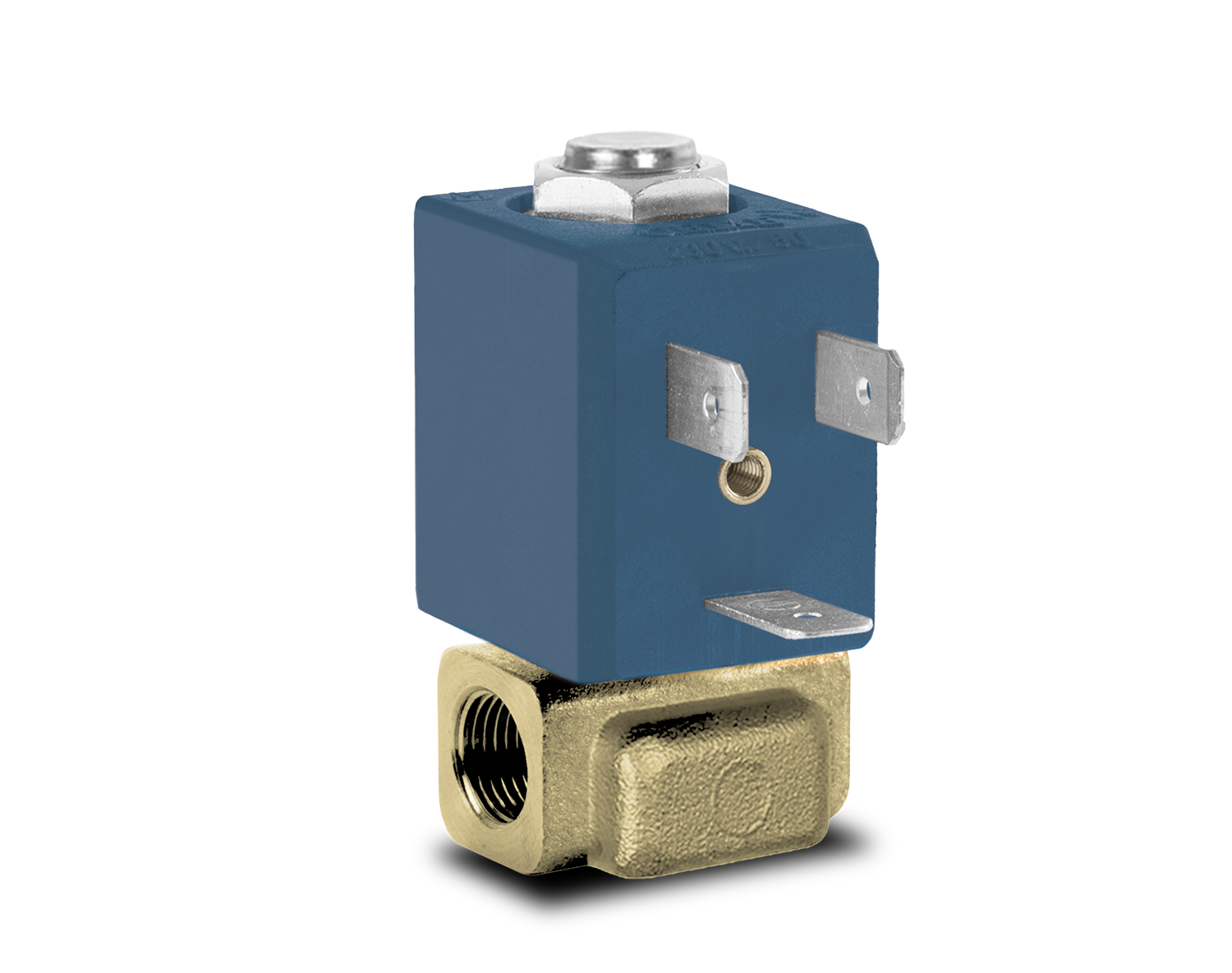
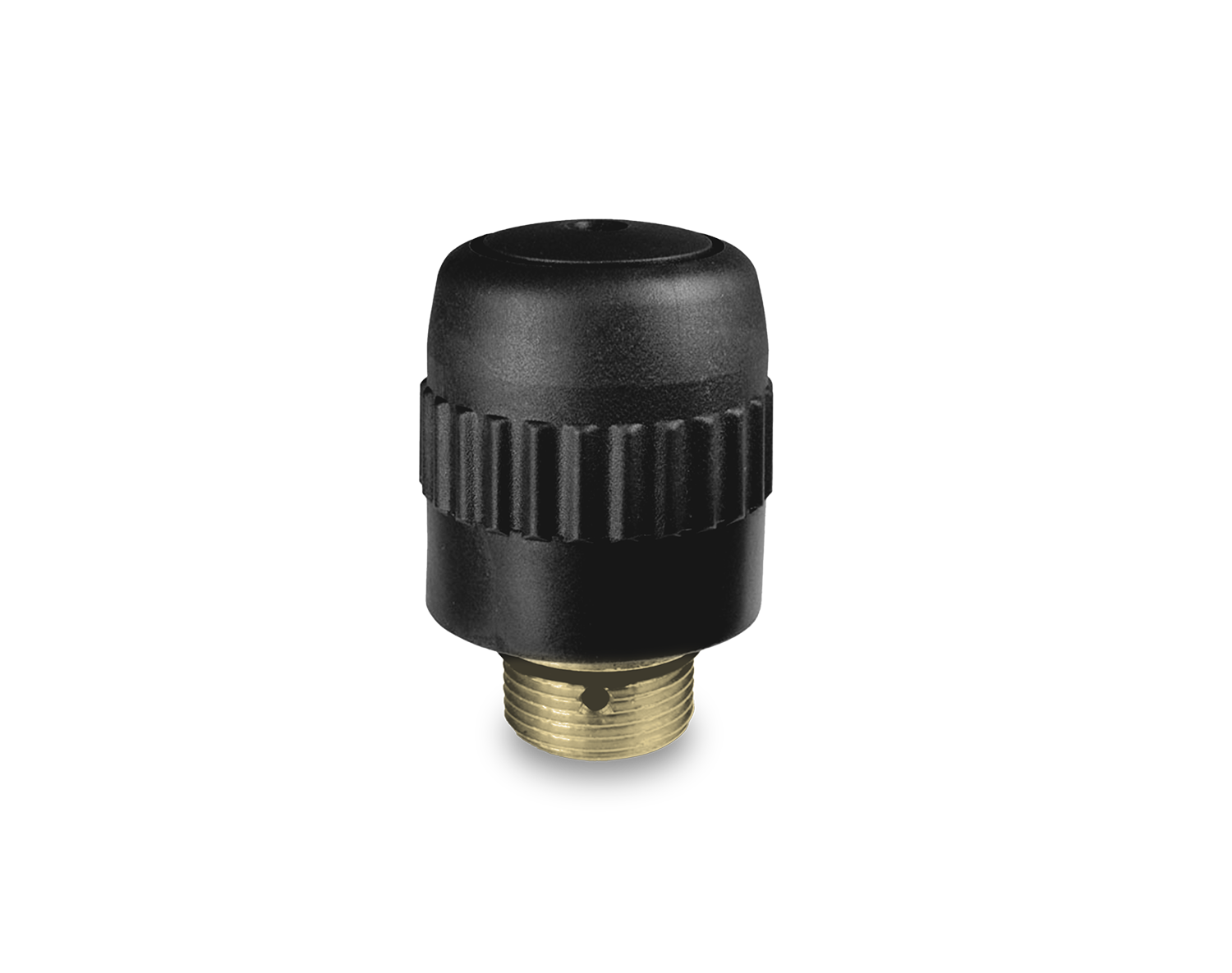
Air valve
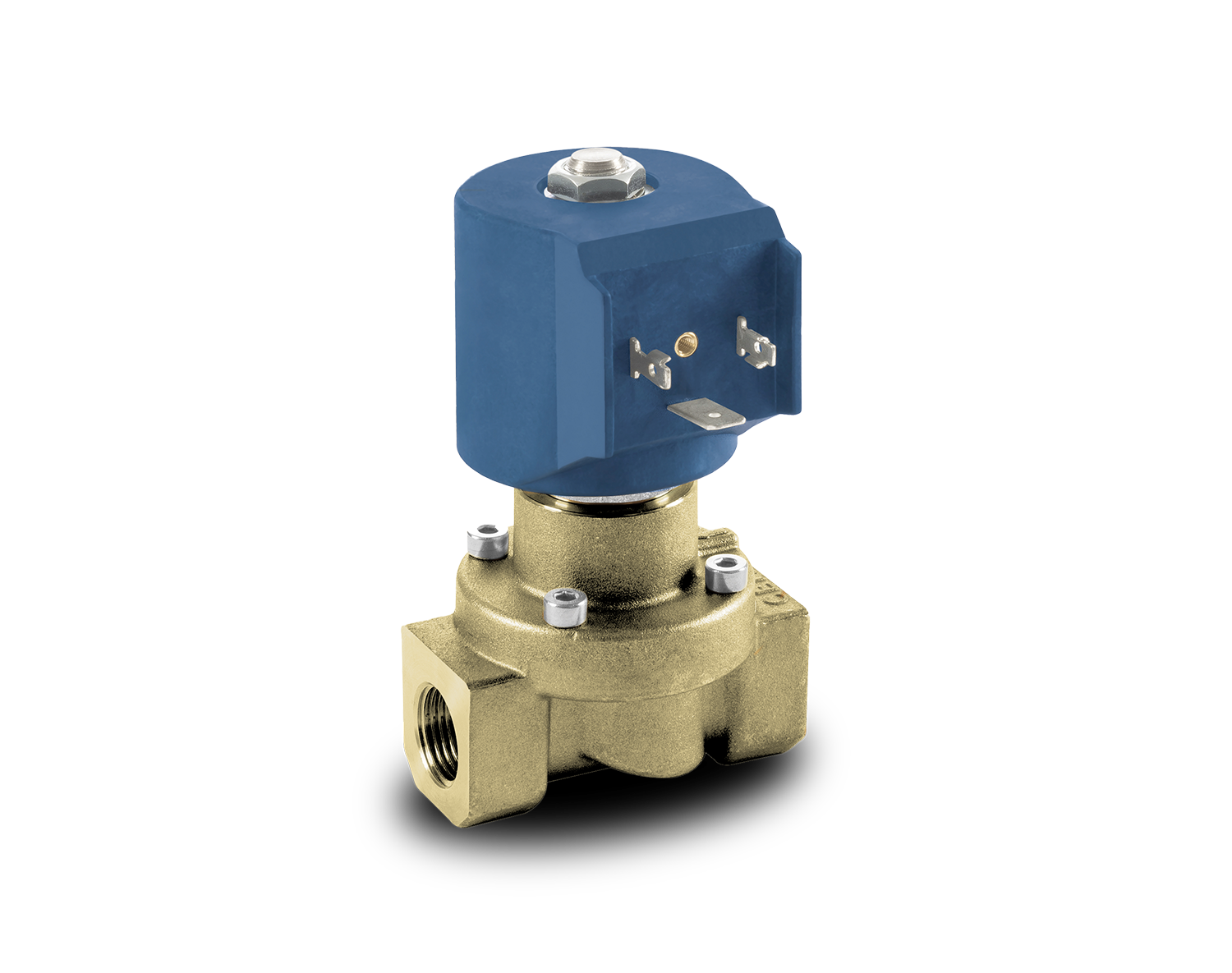
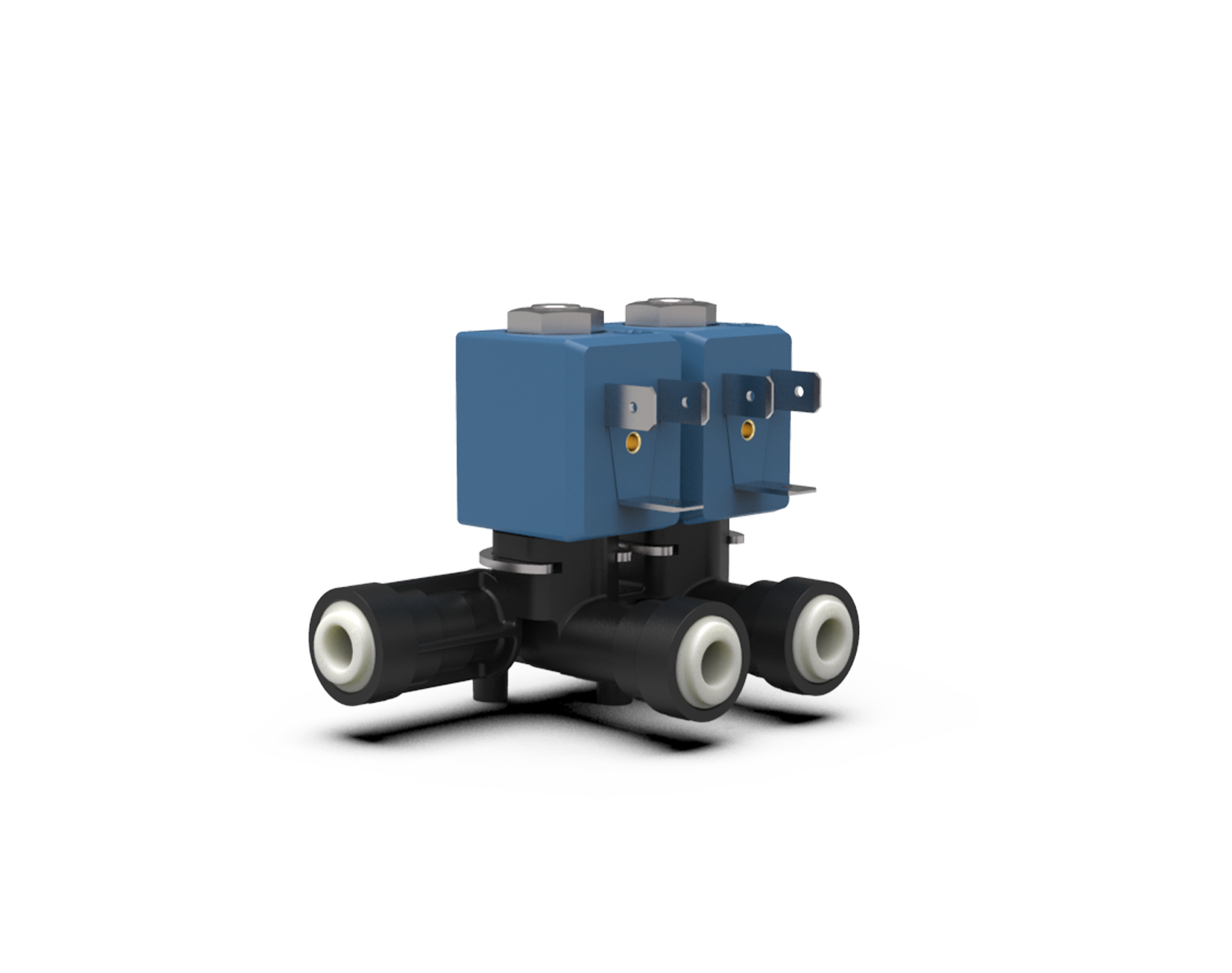
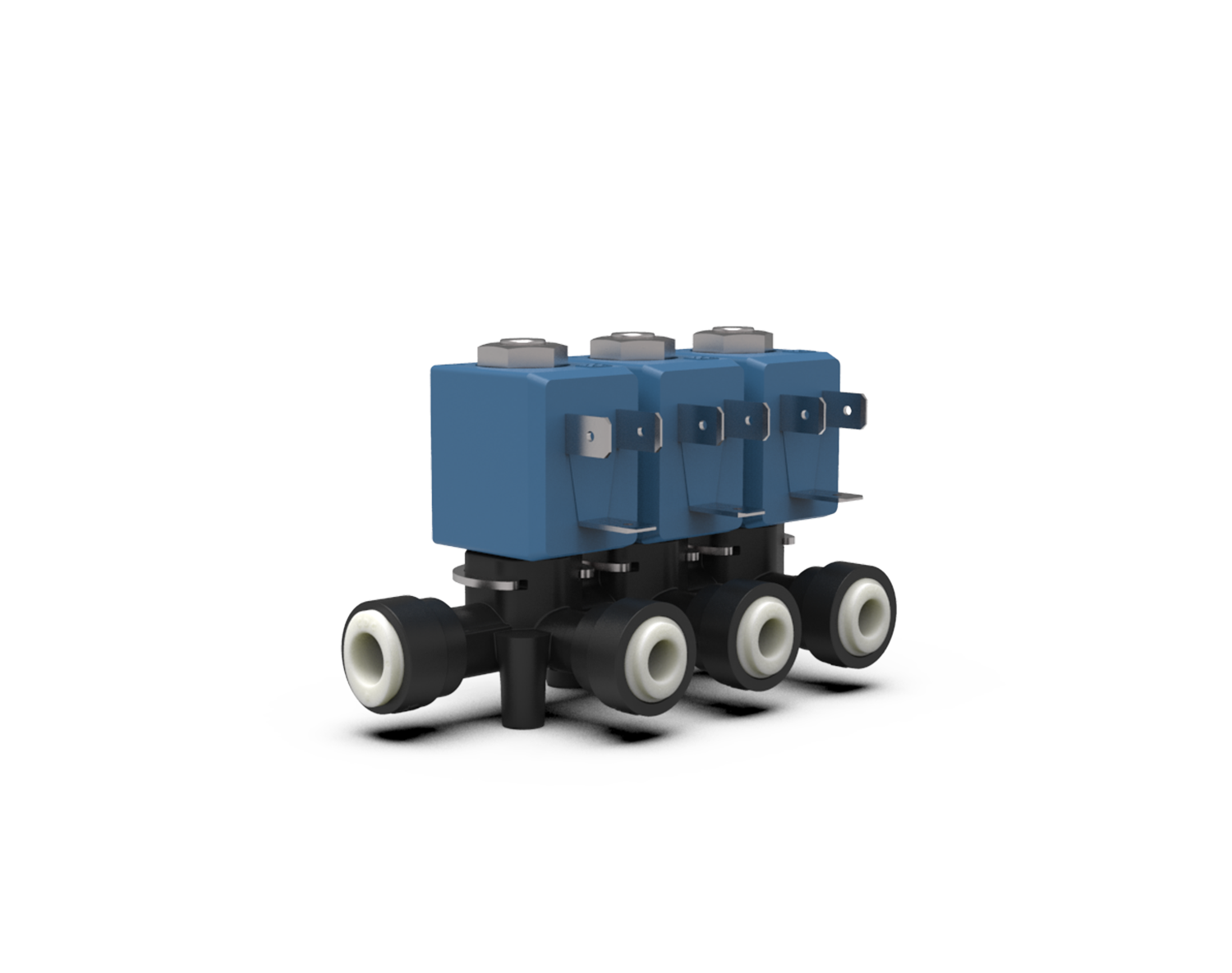
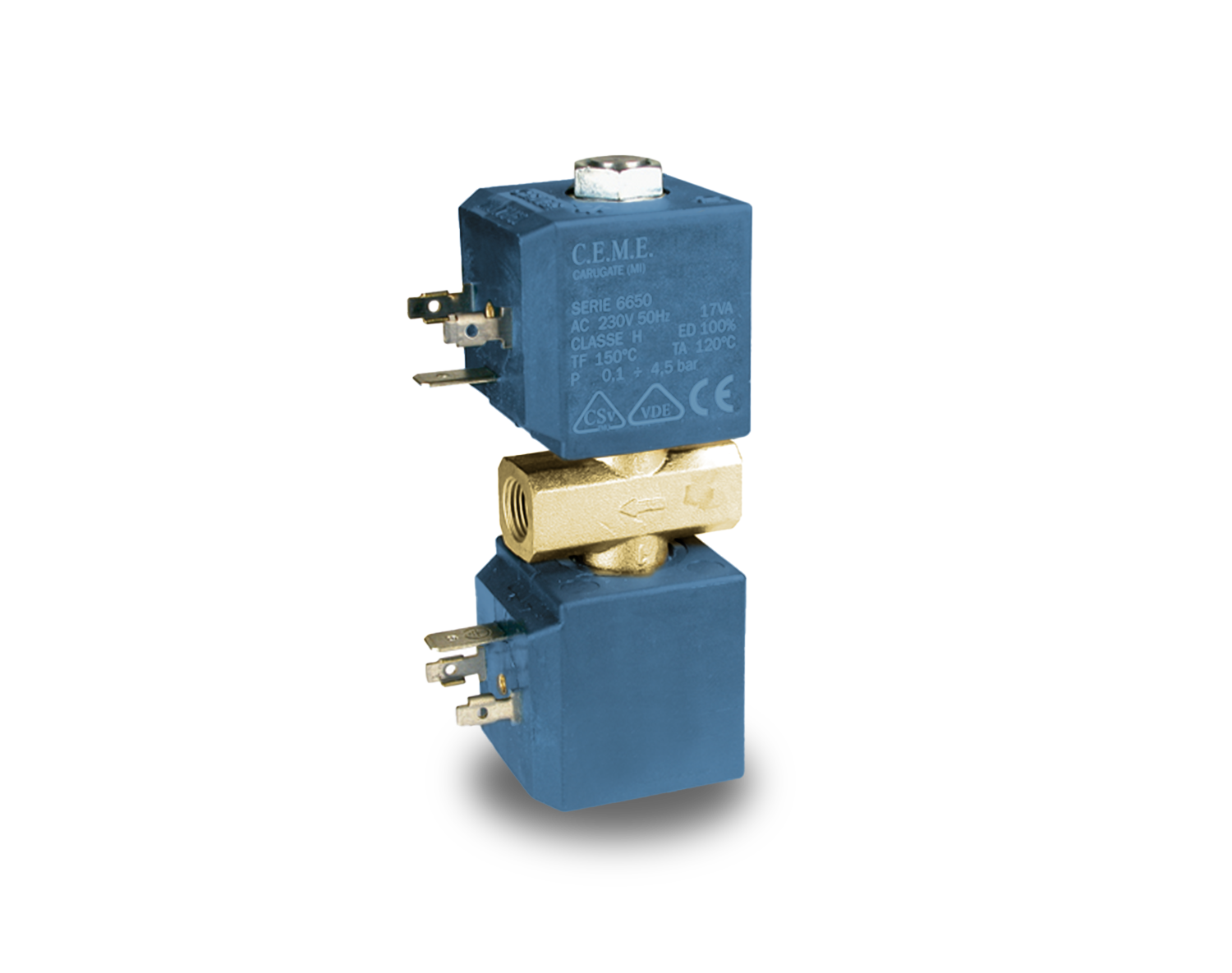
Air valves are essential components in numerous industrial and domestic systems, designed to control the flow of air efficiently and safely. These devices are used in a variety of industries, from HVAC to automotive, ensuring reliable performance and optimal airflow management.
Air valve operation
Air valves work by regulating the flow of gas through an opening and closing mechanism, which can be operated manually, pneumatically, or electrically. Their primary function is to modulate the pressure and volume of air within a system, helping to improve the energy efficiency and safety of the entire system.
The main modes of operation include:
- Circuit opening: the valve opens to allow the passage of air into the system, ensuring the right amount of air needed for the application to function.
- Closing the circuit: The valve closes to prevent air leaks or excessive pressure that could compromise the system’s operation.
- Flow regulation: Some valves are designed to progressively regulate the flow of air, preventing sudden pressure changes.
Our air valves
Types of Air Valves
Check valves:
Prevent air from flowing back into the system, ensuring unidirectional flow and protecting downstream components.
Quick exhaust valves:
Allow for rapid air evacuation, improving system responsiveness.
Pressure regulation valves:
Maintain constant pressure within the system, preventing damage to components.
Safety valves:
Designed to release excess air in the event of overpressure, ensuring system safety.
Proportional valves:
Allow for precise adjustment of air flow based on operating requirements.
Air Valve Applications
HVAC and air conditioning:
They regulate airflow in heating, ventilation, and air conditioning systems to improve environmental comfort.
HVAC and air conditioning:
They regulate airflow in heating, ventilation, and air conditioning systems to improve environmental comfort.
Automotive:
Used in emission control systems, air supply systems, and air suspension circuits.
Manufacturing:
Regulation in air purification and filtration systems.
Medical Sector:
Essential for controlling airflow in ventilation devices and precision instruments.
Water treatment:
Used in aeration systems and oxygenation processes for the treatment of fluids and liquids.
Machine tools:
Used in pneumatic circuits to ensure optimal equipment operation.