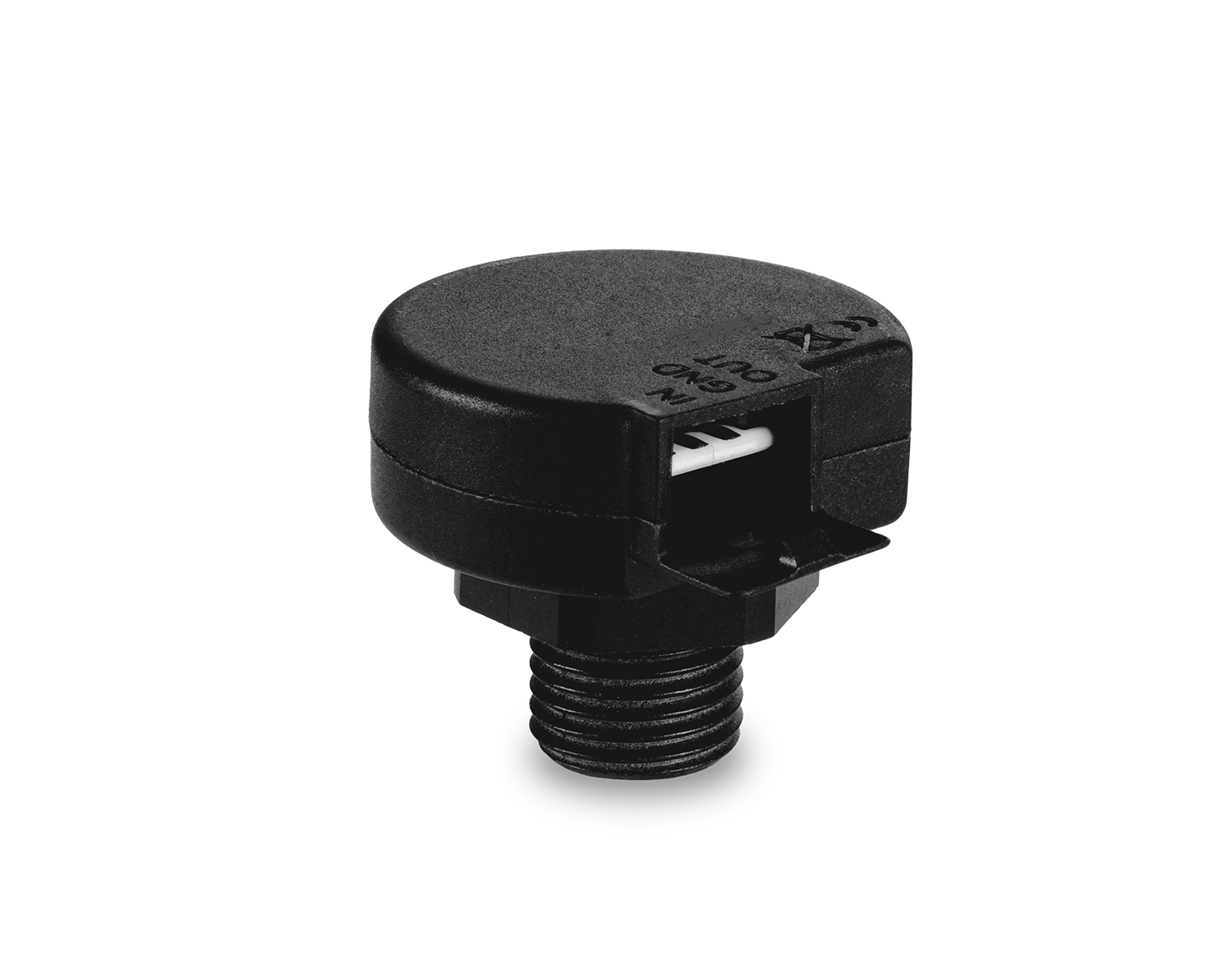
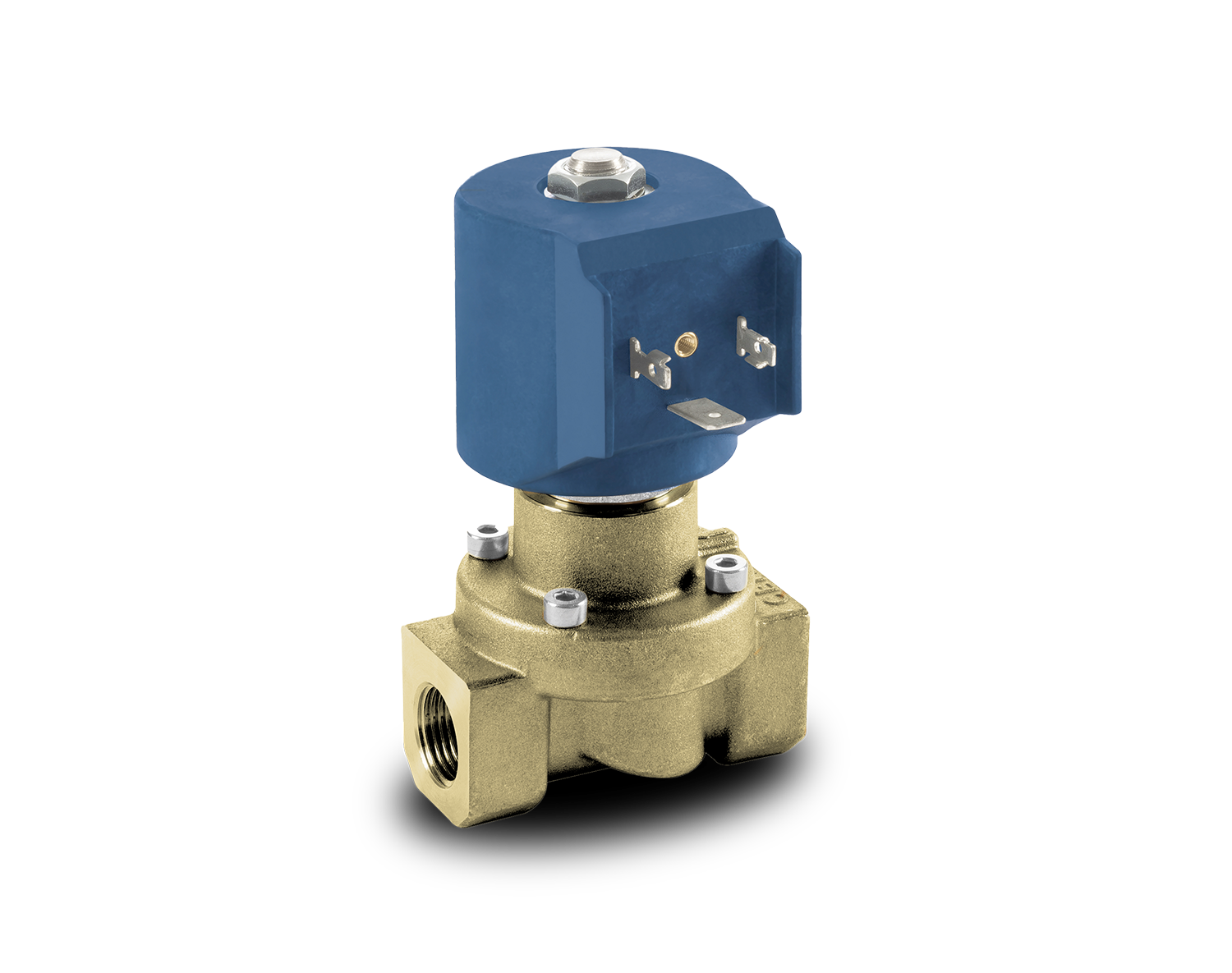
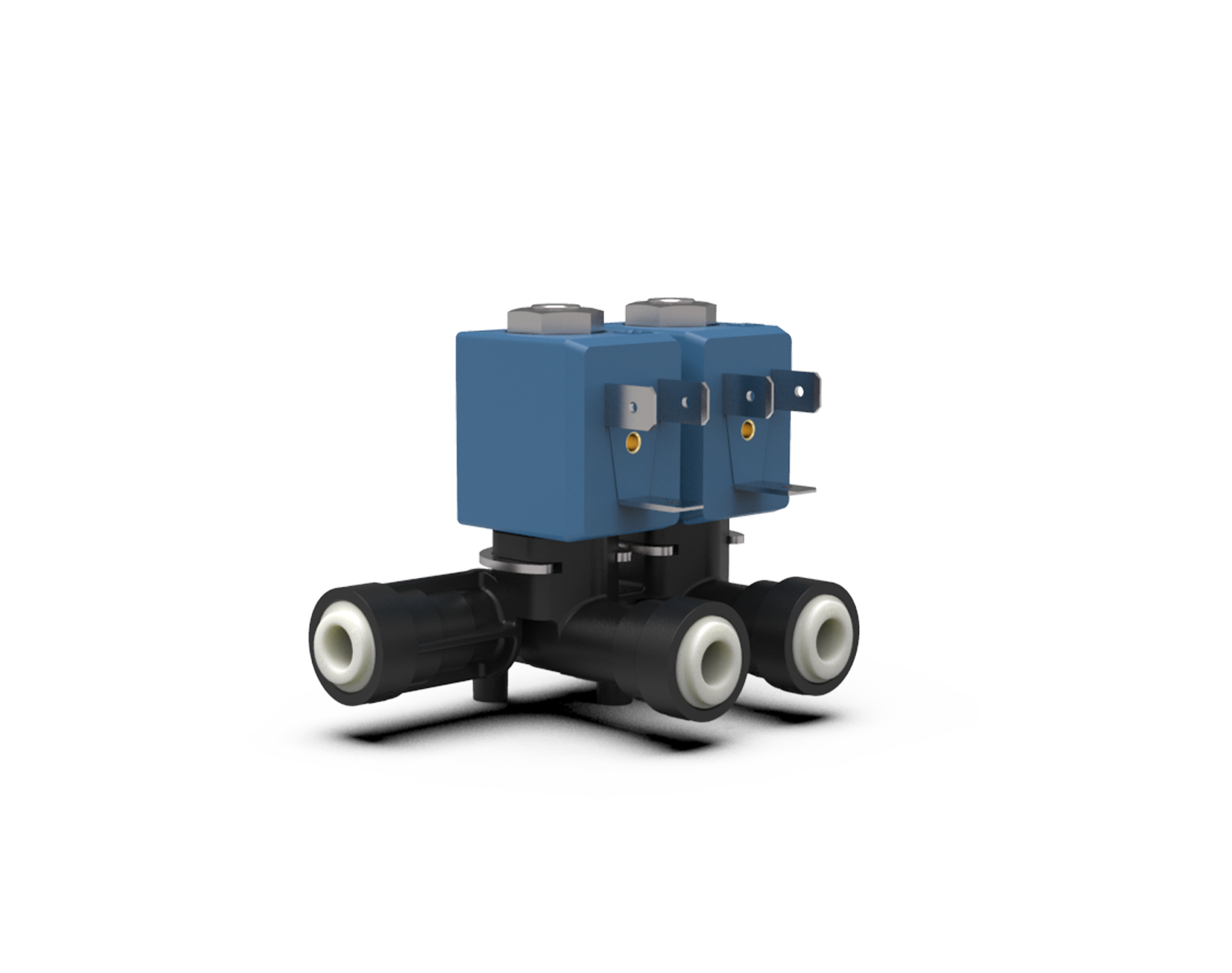
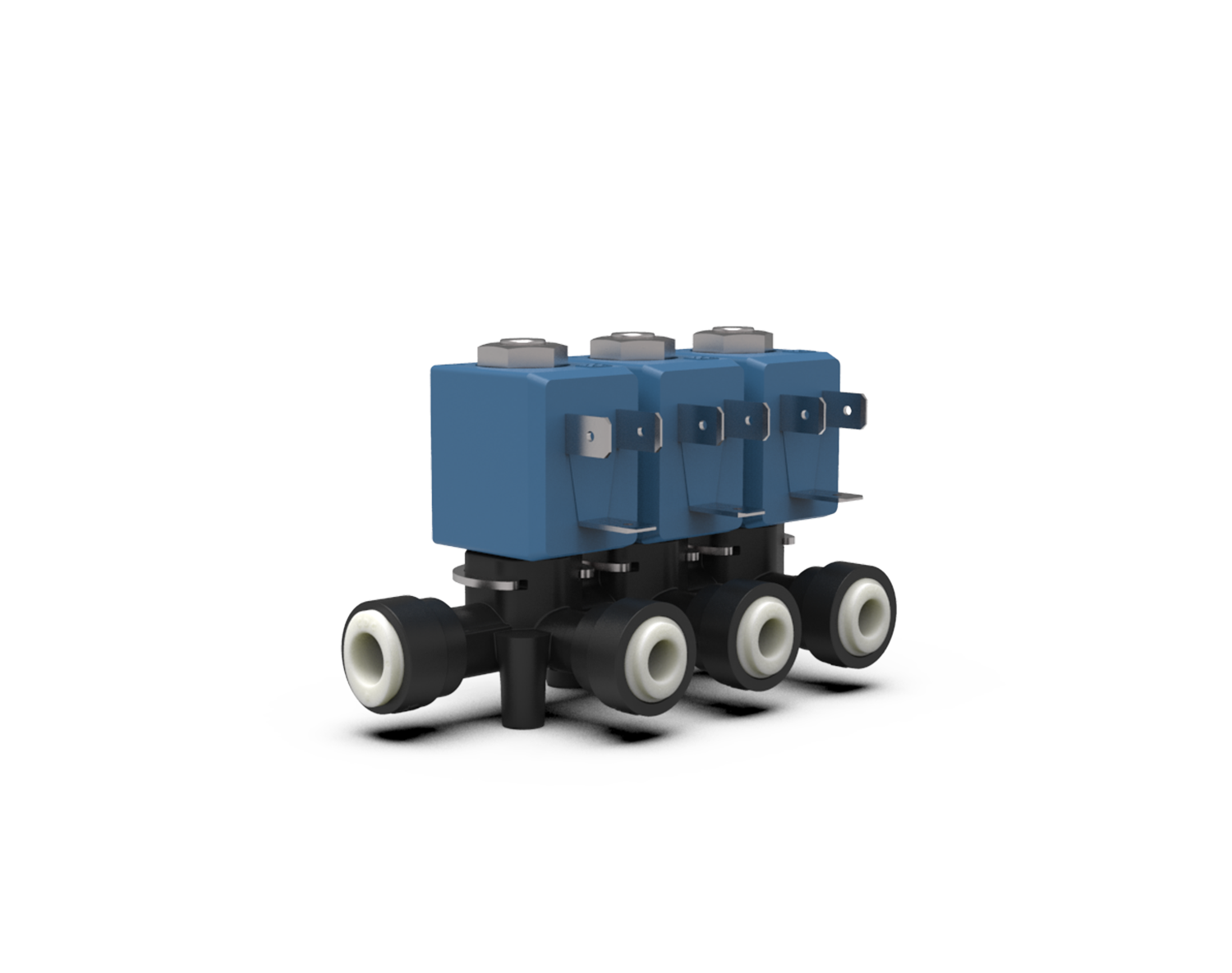
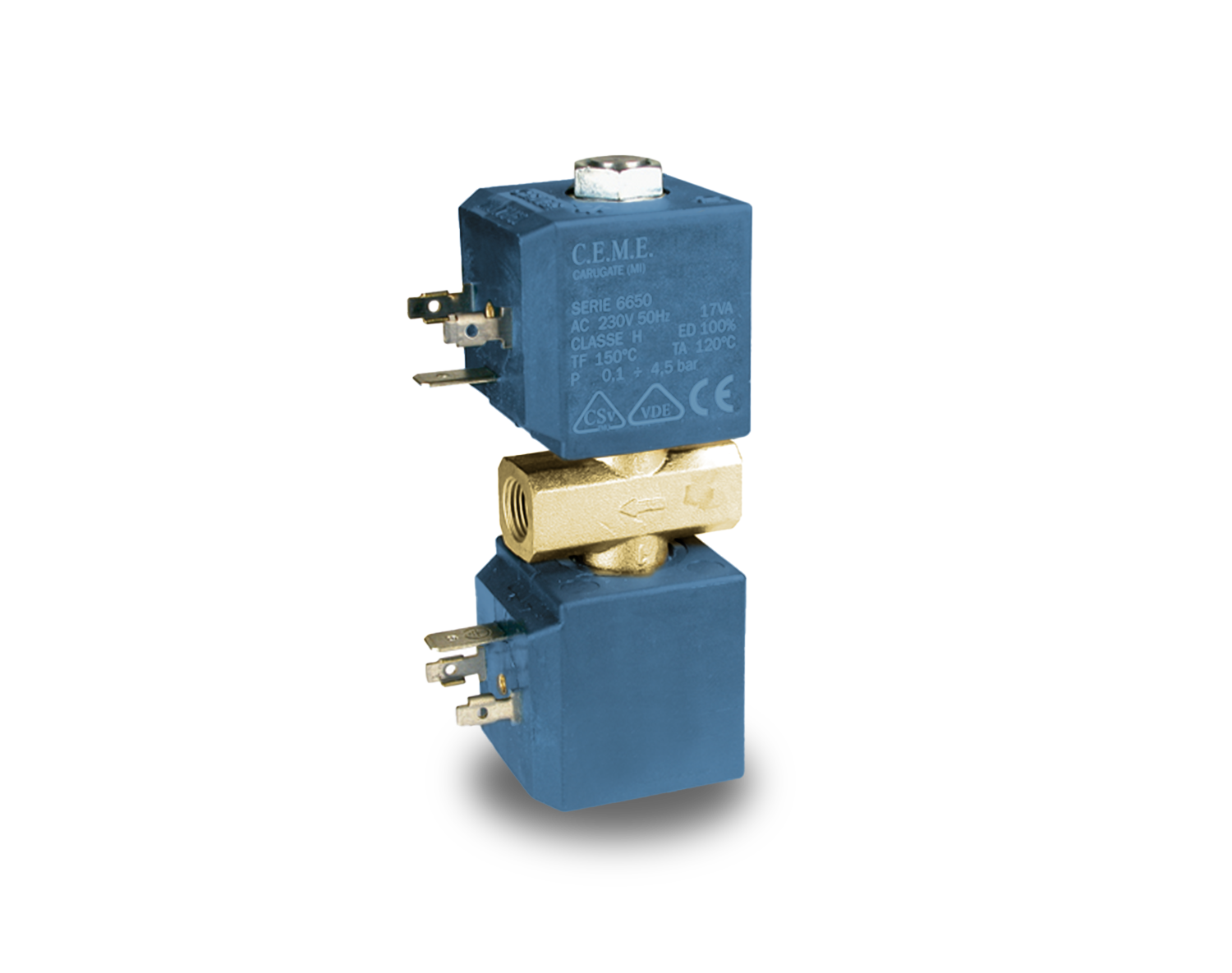
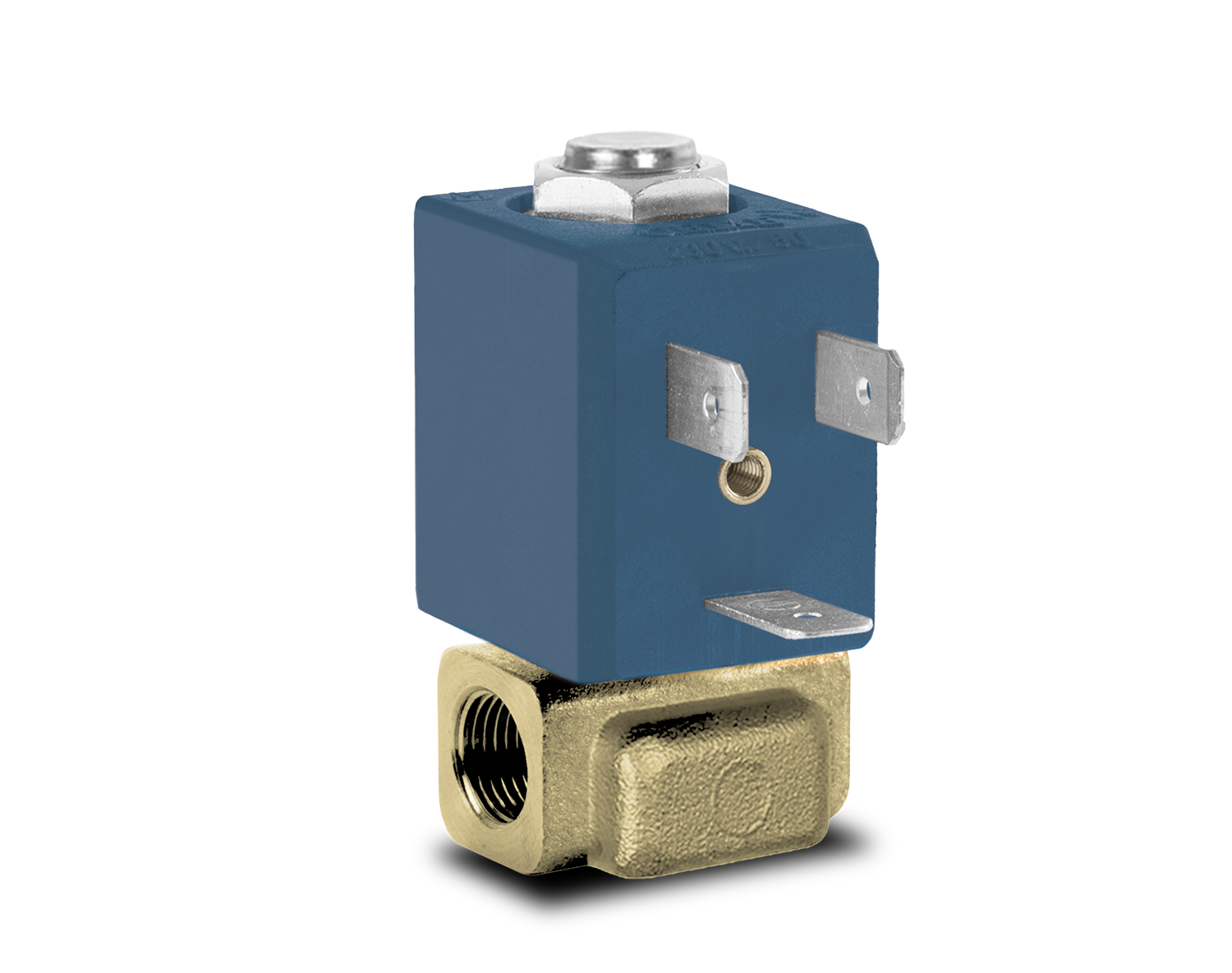
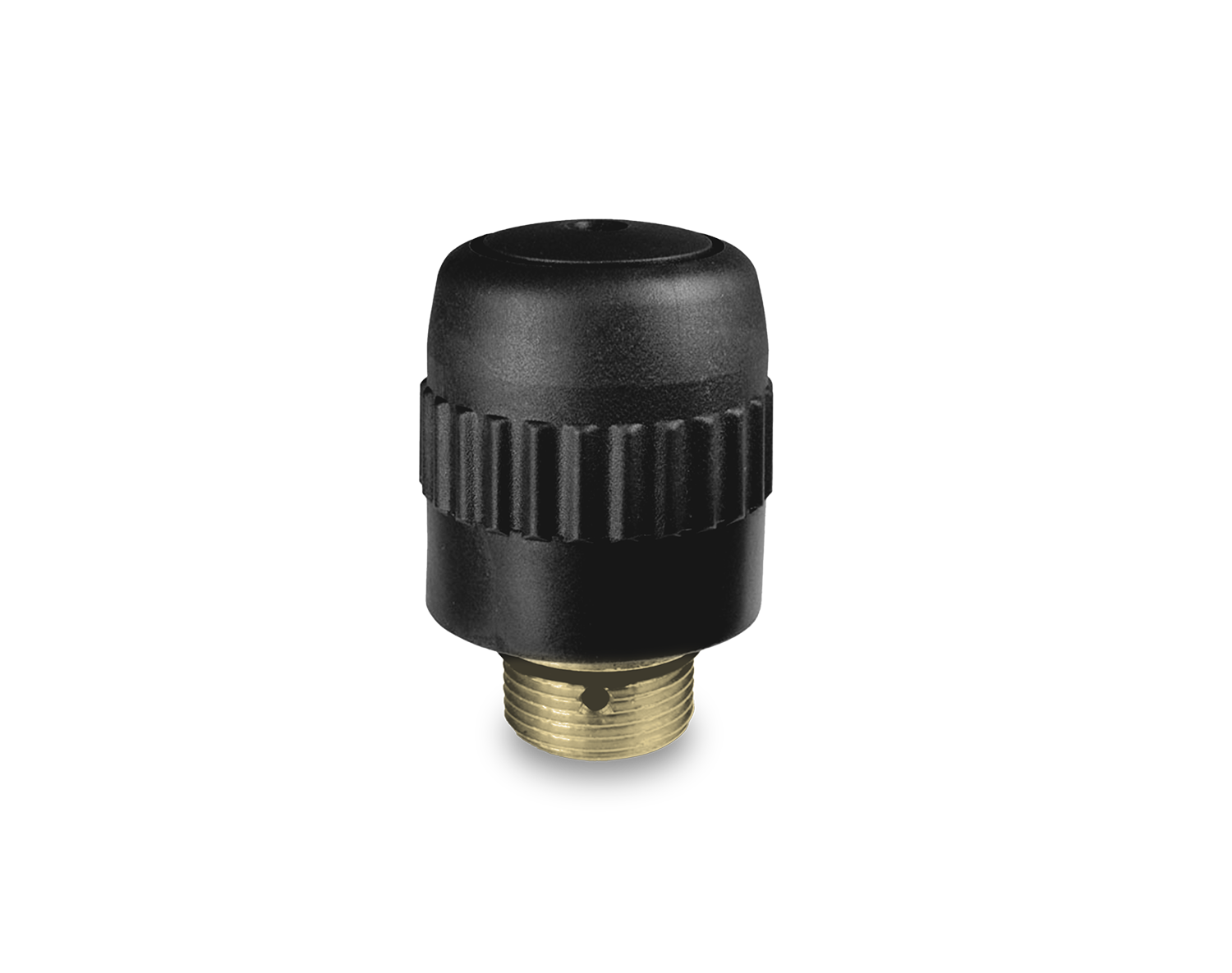
Sensors useful for measuring and monitoring pressure in industrial and domestic systems, CEME transducers convert fluid pressure into a proportional electrical signal, optimizing process control and ensuring efficiency and safety.
A pressure transducer works by using a sensing element, usually a membrane or strain gauge, that deforms based on the applied pressure.
This change is then transformed into an electrical signal, which can be processed by control systems to monitor and adjust the process in real time.
Thanks to their high sensitivity and precision, they ensure a rapid and reliable response even incomplex environments.
Absolute pressure transducers:
Measure pressure relative to absolute vacuum, ideal for applications where a constant reference is required.
Gauge pressure transducers:
Detect pressure relative to atmospheric pressure, used in numerous industrial and domestic systems.
Differential pressure transducers:
Measure the pressure difference between two points, particularly useful in filtration systems and fluid control processes.
Piezoresistive transducers:
Based on a strain gauge bridge, they offer high accuracy and long-term stability.
Capacitive transducers:
Use variations in electrical capacitance to detect changes in pressure, ensuring excellent performance in harsh environments.
HVAC and air conditioning:
Pressure monitoring in heating, ventilation, and air conditioning systems.
Industrial machinery:
Pressure control in hydraulic and pneumatic circuits to optimize operational performance.
Medical industry:
Use in blood pressure monitoring devices and mechanical ventilation systems.
Automotive:
Pressure sensing in fuel injection systems and tires.
Water treatment:
Pressure measurement in water filtration and distribution systems.
Food industry:
Pressure monitoring in processing and packaging.
Newsletter
Stay up to date with the latest news from the world of CEME