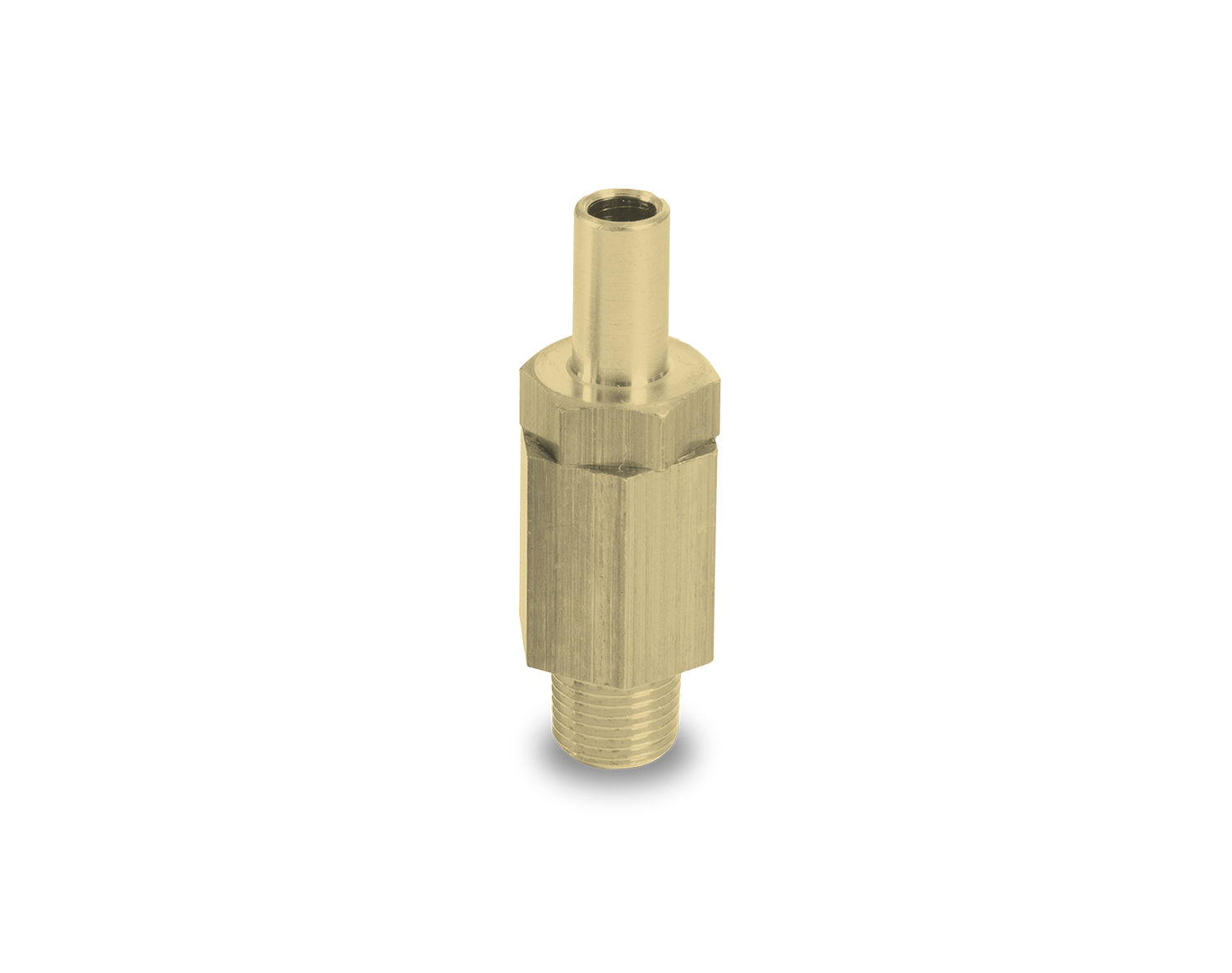
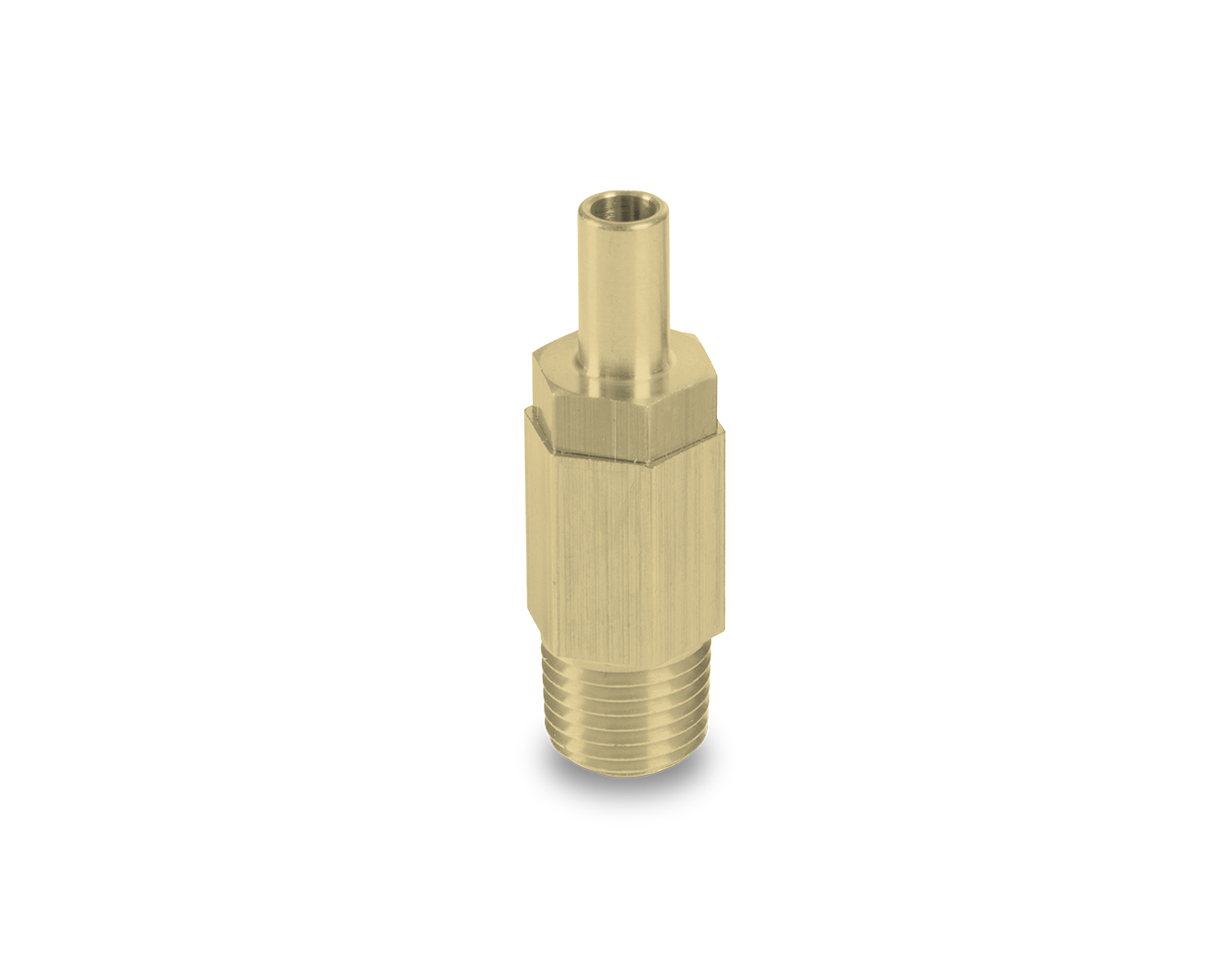
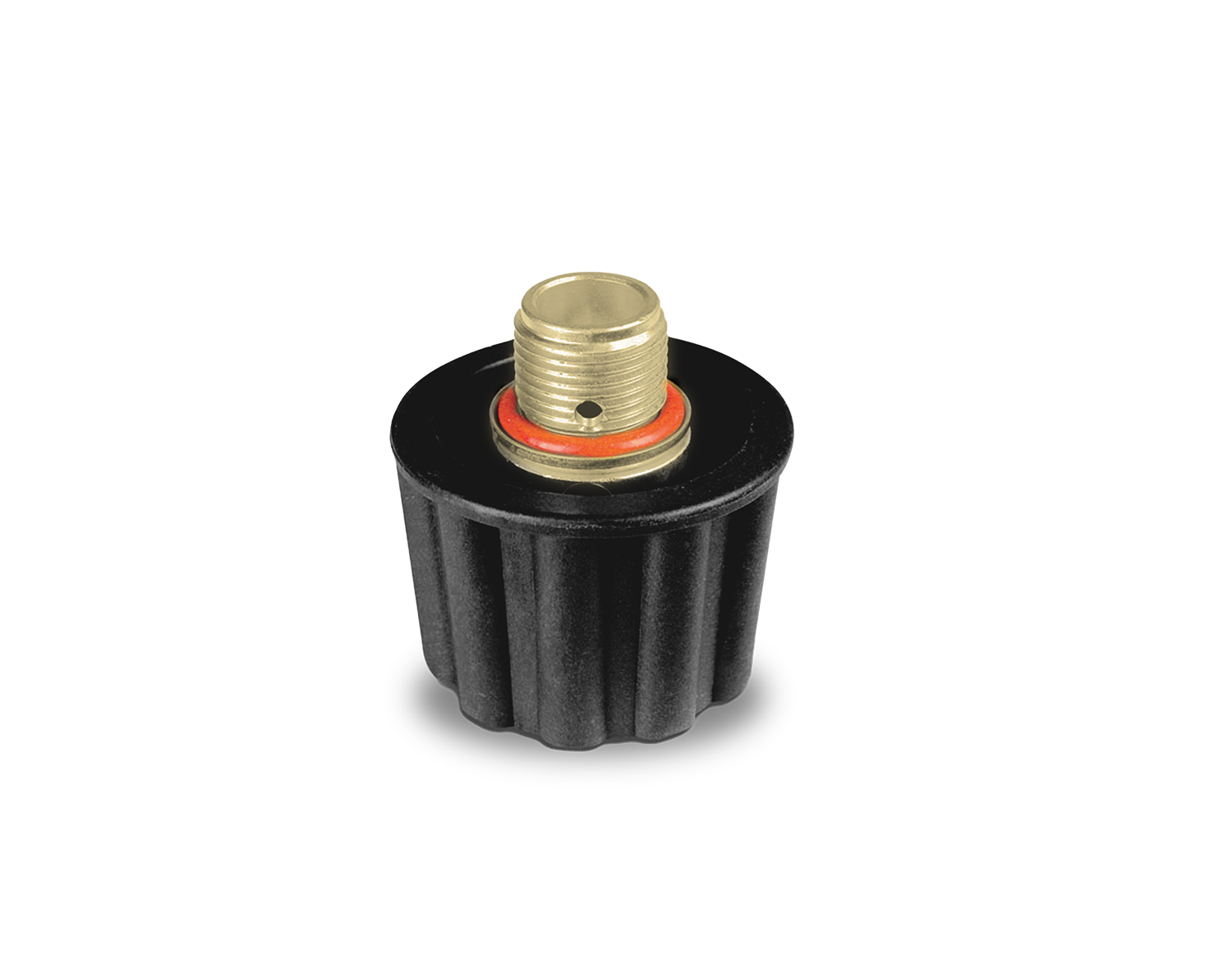
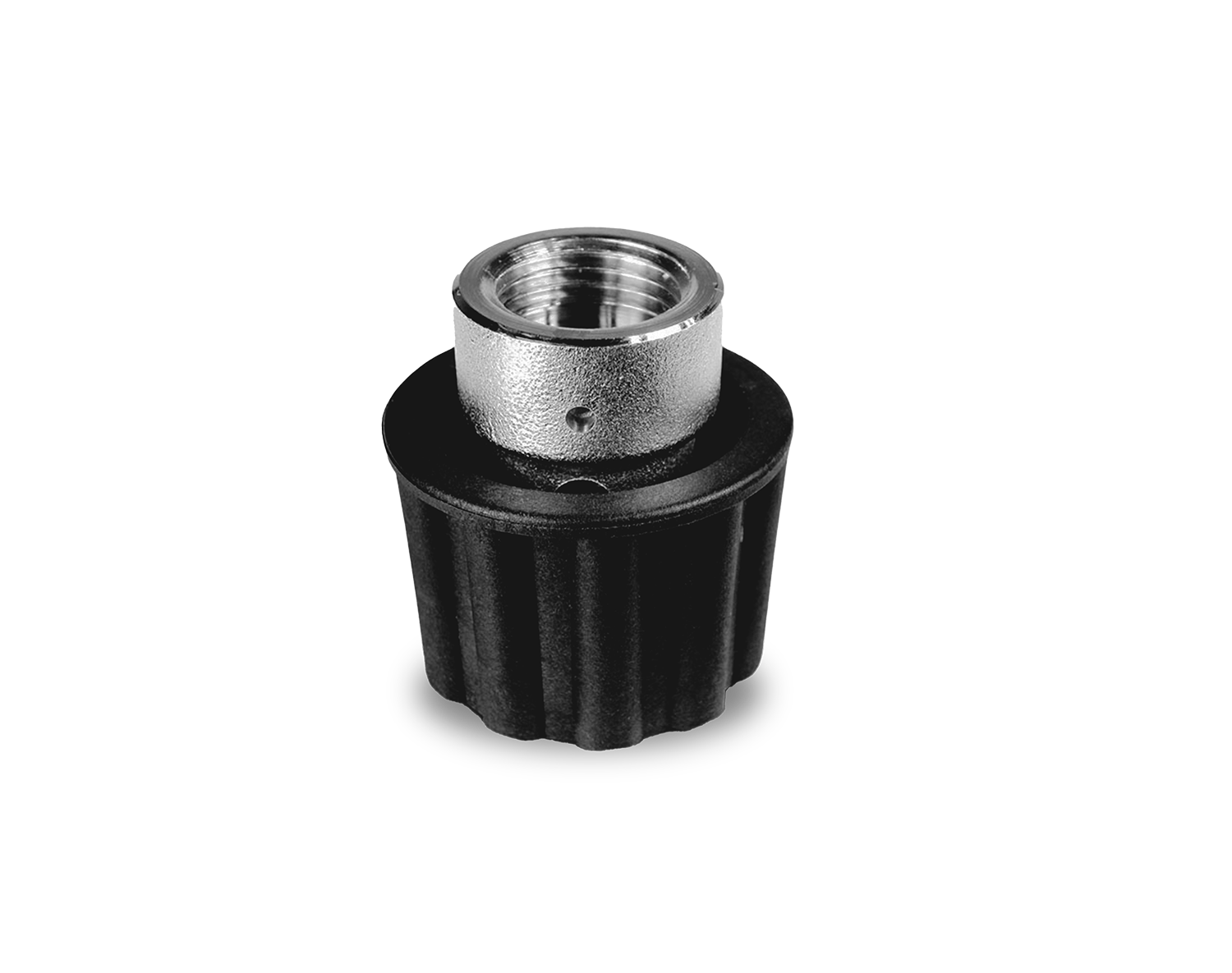
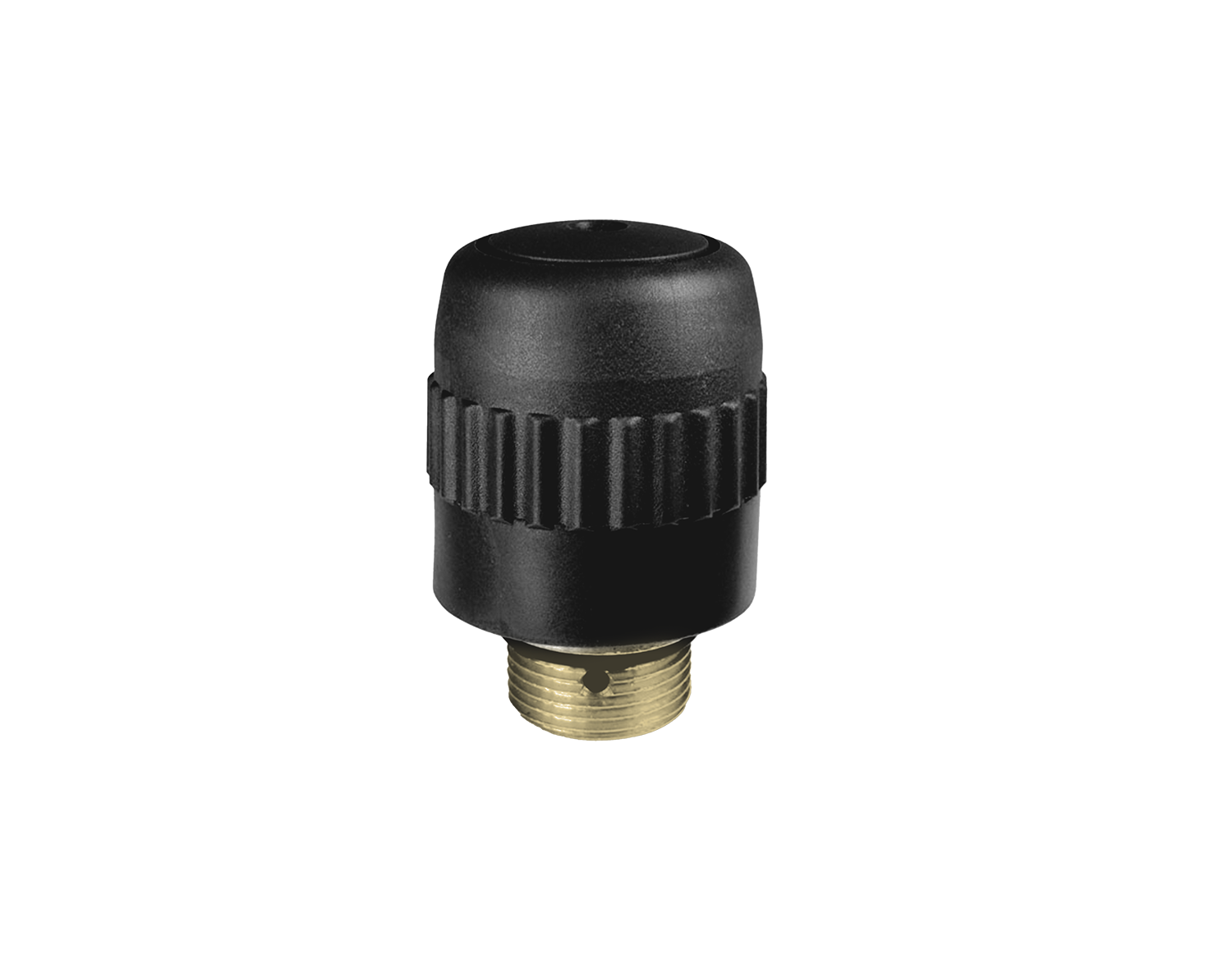
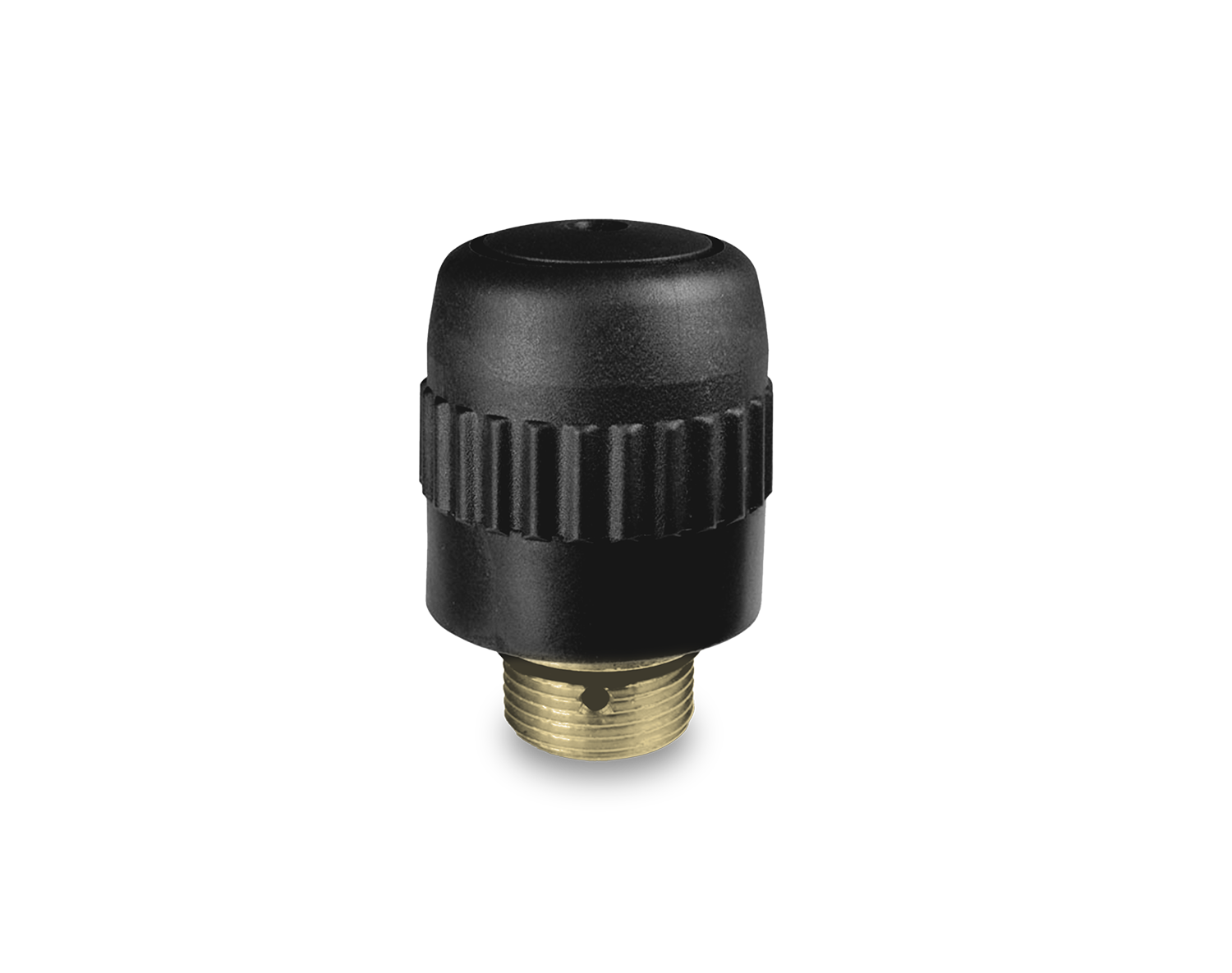
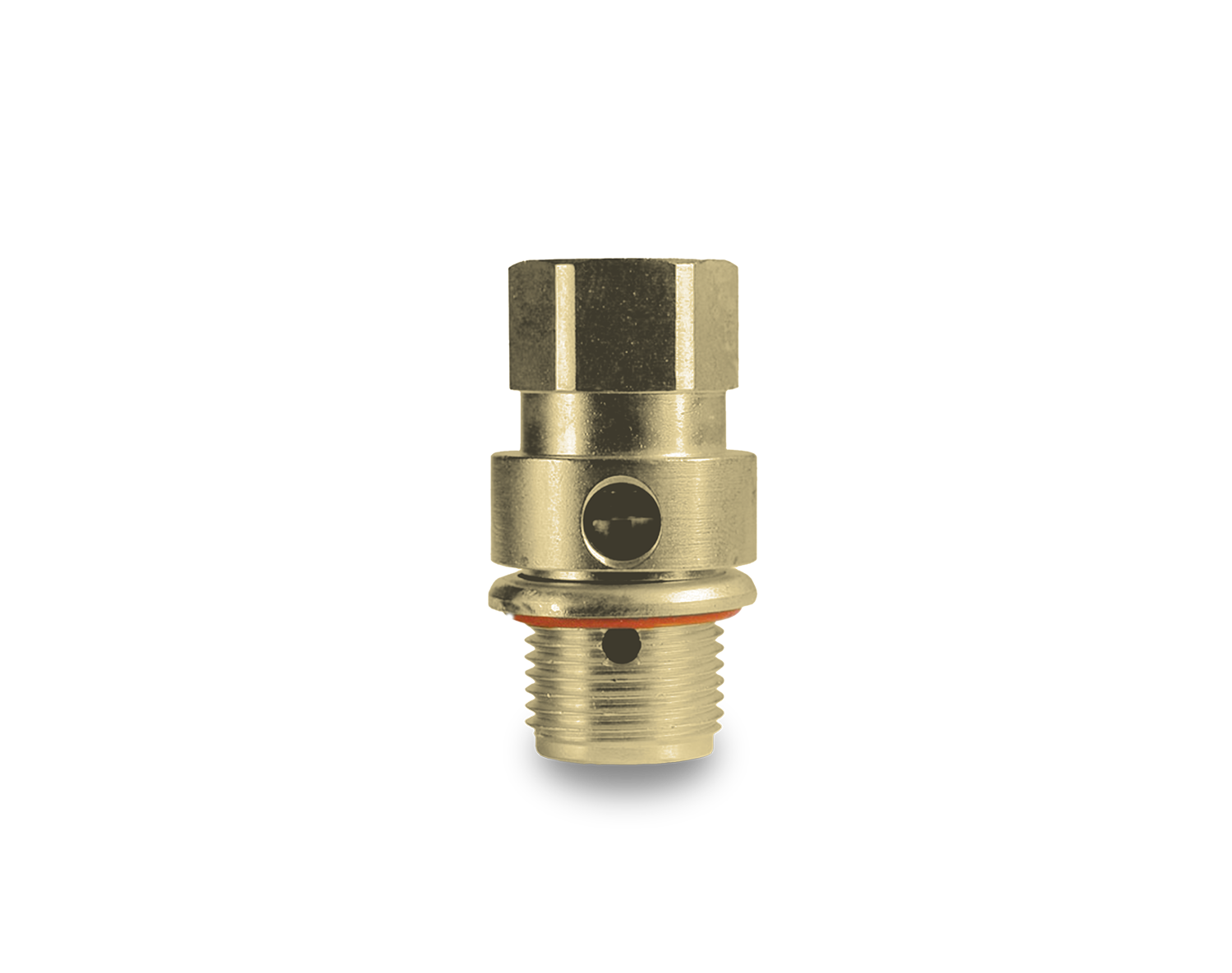
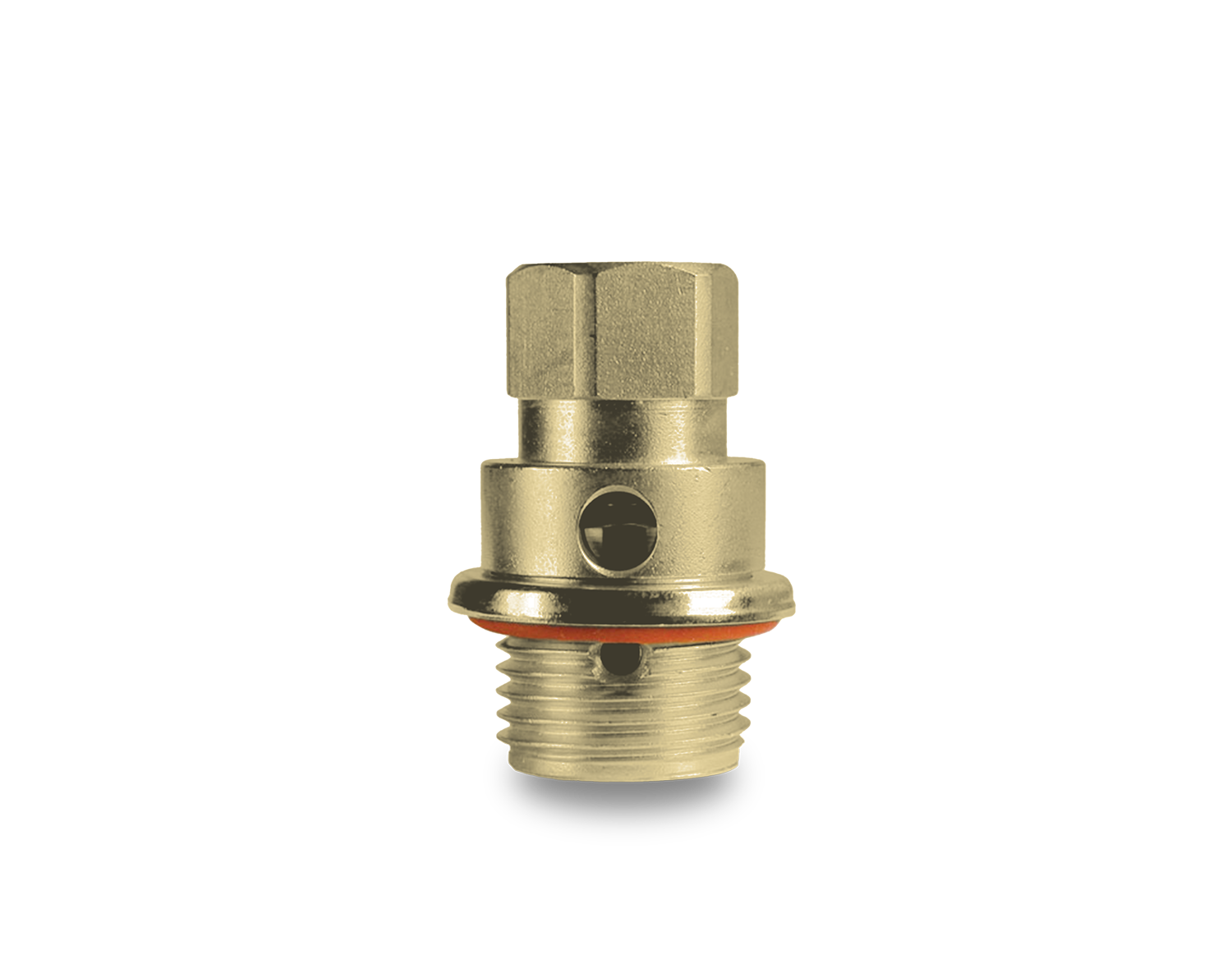
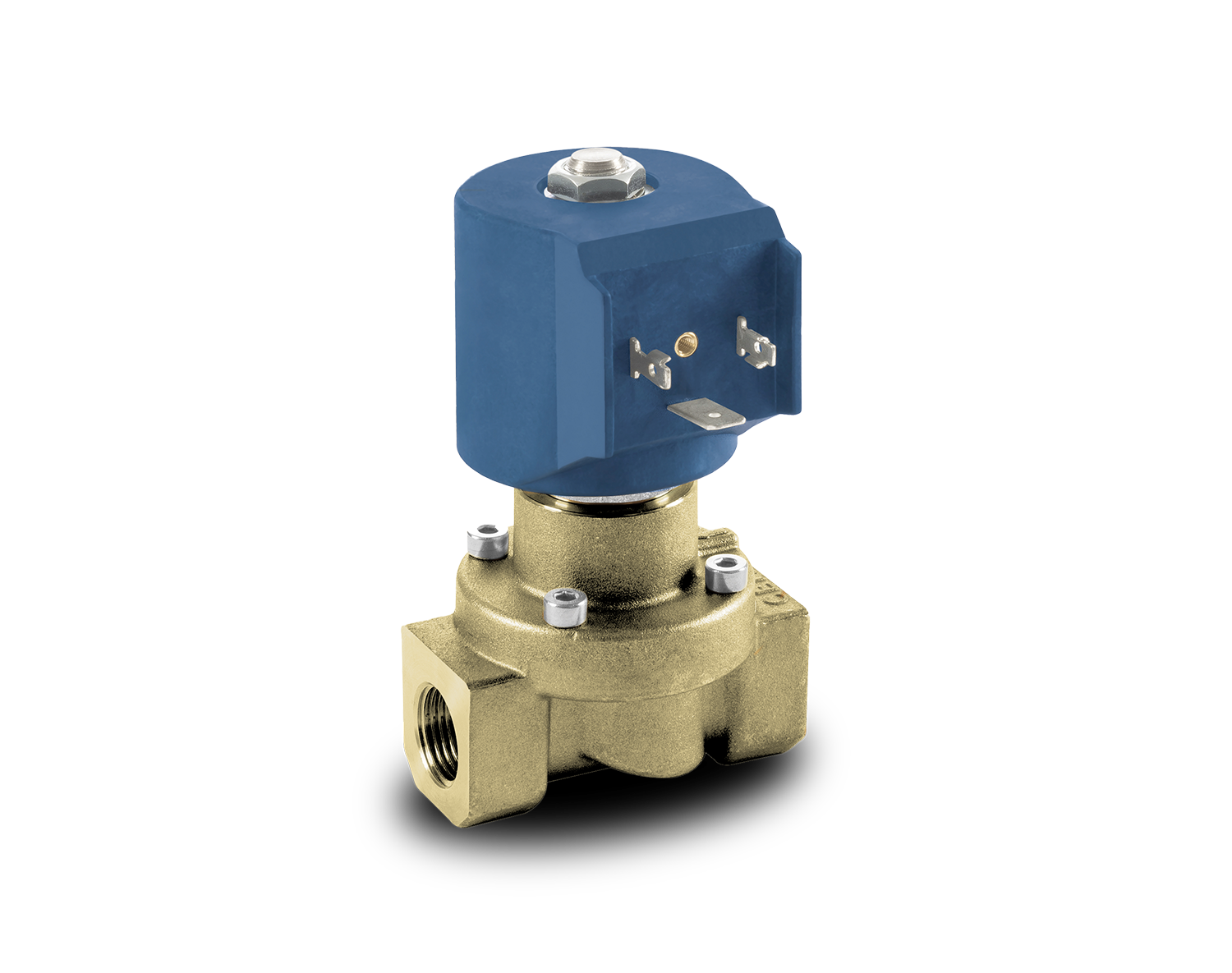
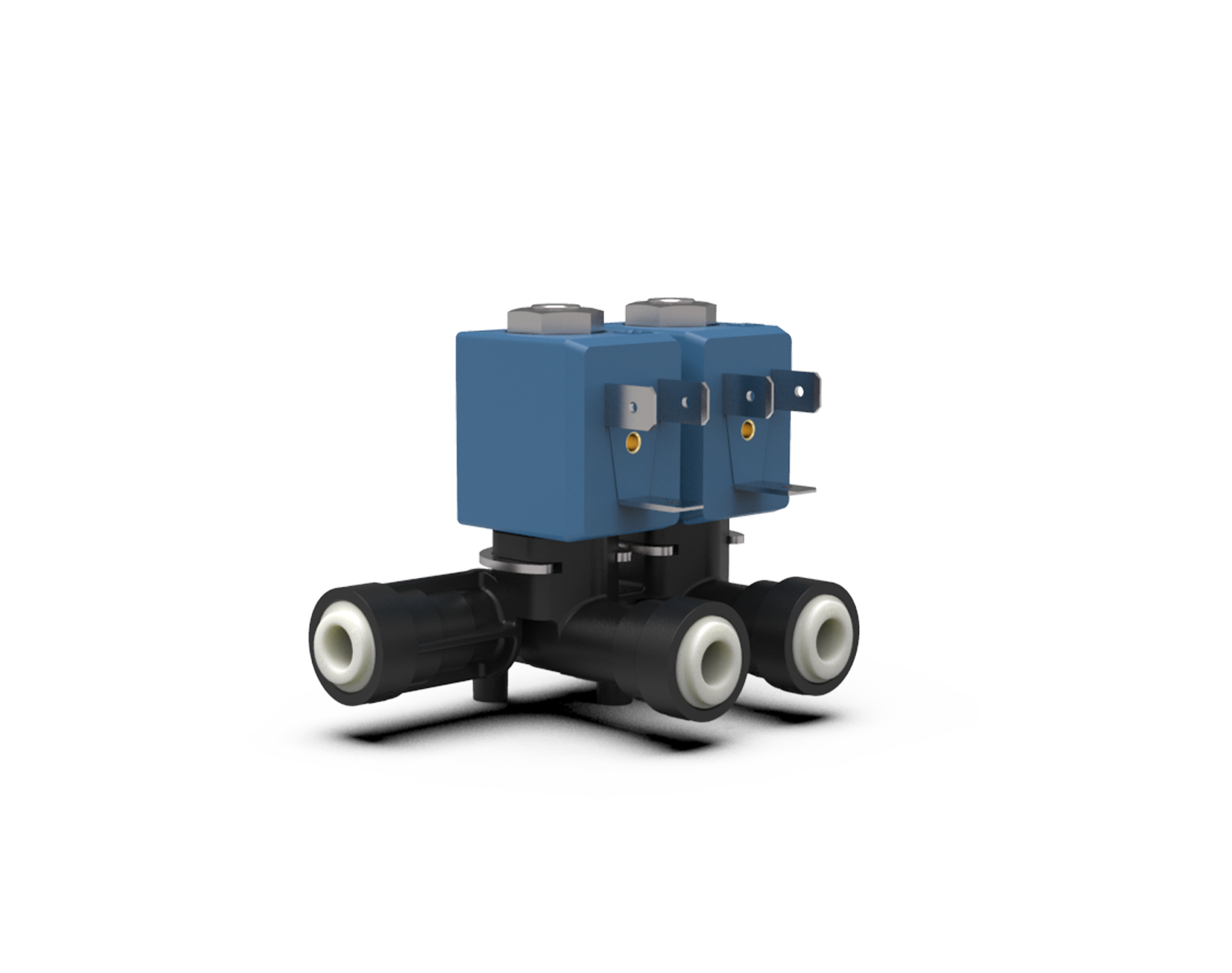
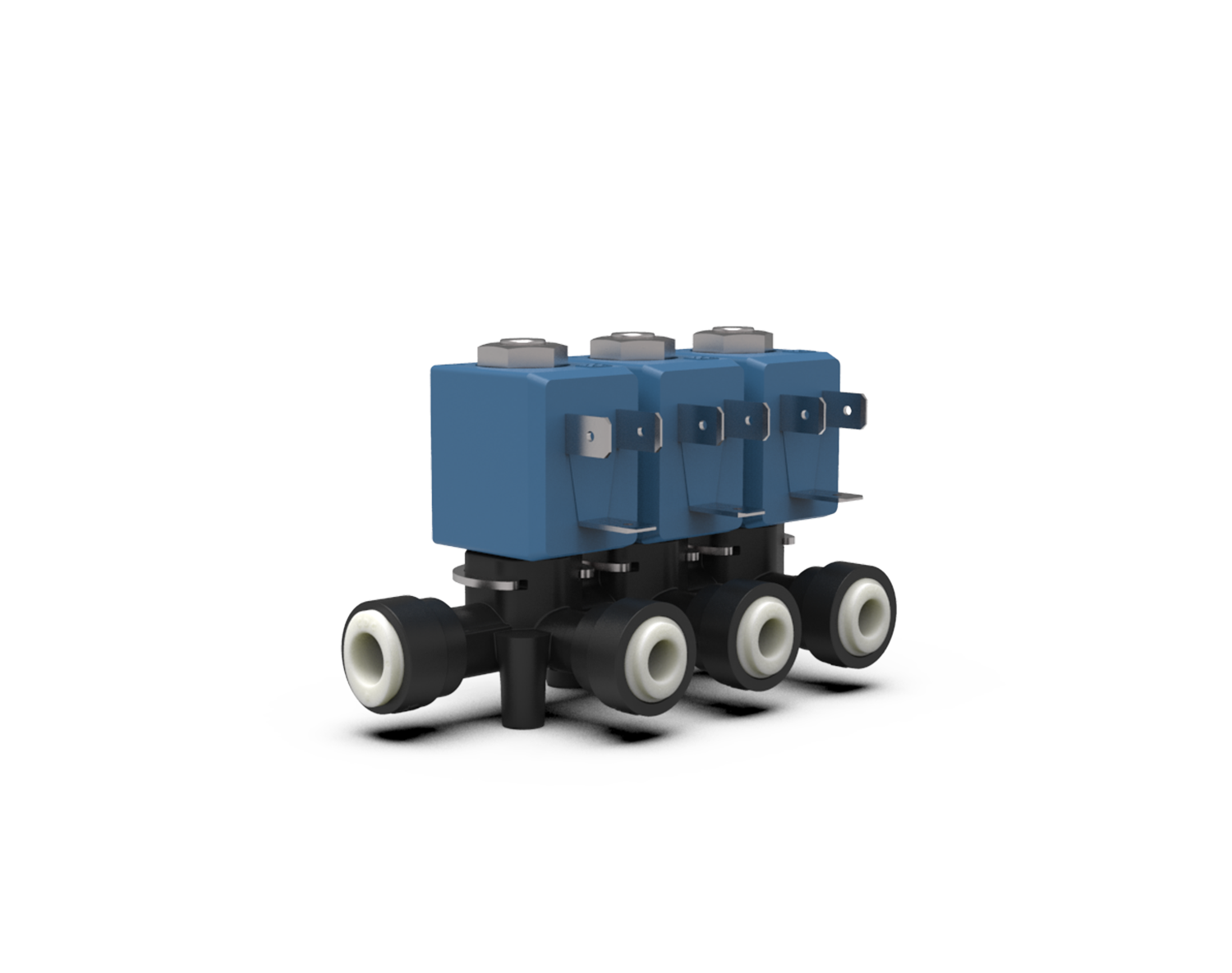
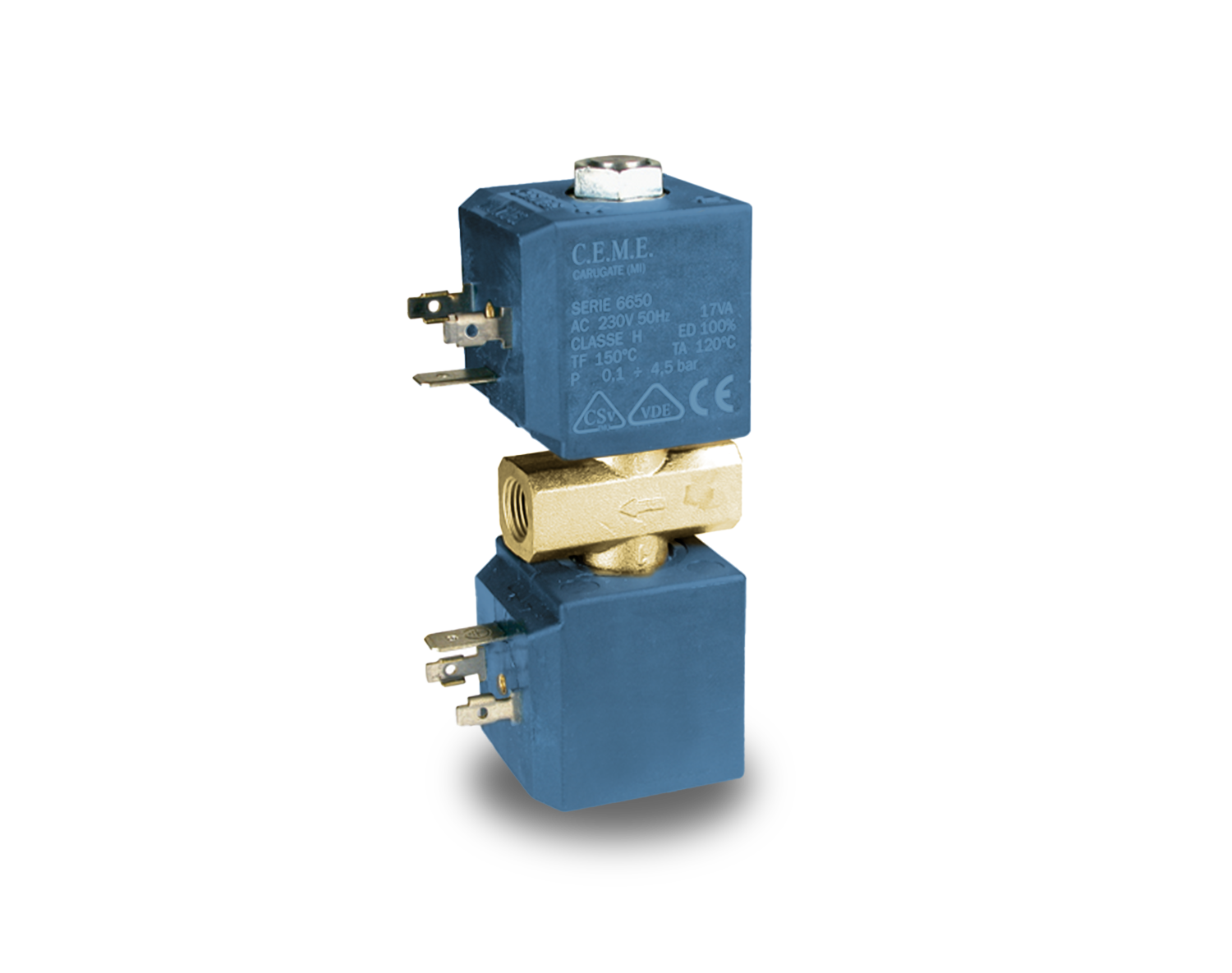
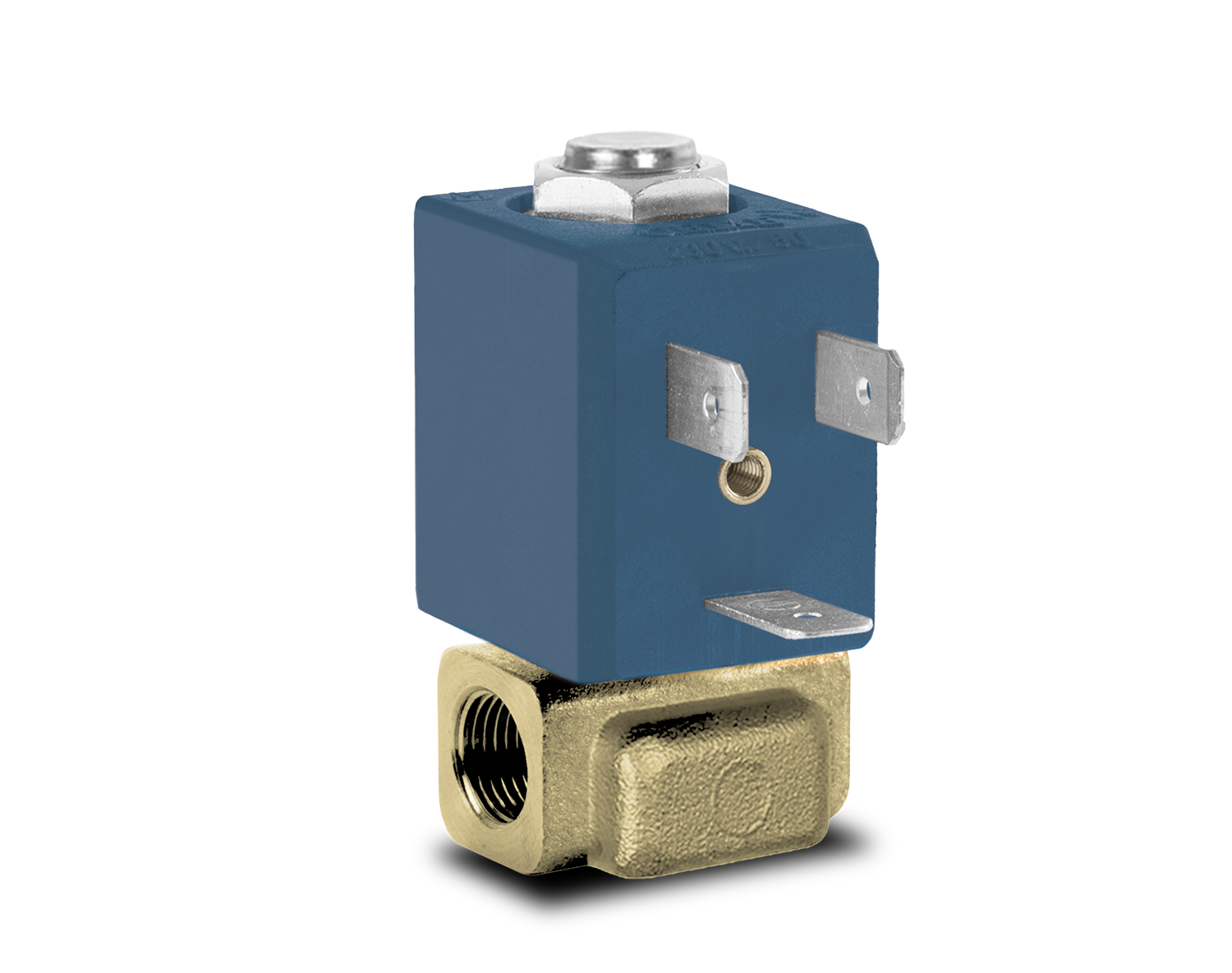
Crucial for the protection of industrial and domestic systems, CEME safety valves prevent overpressures that could compromise the operation of systems and the safety of operators, ensuring reliability, precision, and compliance with international standards.
The operating principle of safety valves is based on an automatic excess pressure release mechanism.
Inside the valve is a calibrated mechanism that keeps the valve closed as long as the system pressure remains within safety limits.
If the pressure exceeds the set value, the spring compresses and opens the valve, allowing the fluid to be released until normal operating conditions are restored.
Safety valves are essential in all systems where overpressure could cause irreparable damage, improving operational safety and extending the useful life of the systems.
Spring-loaded valves:
The most common design, where the force of the spring determines the opening pressure.
Counterweight valves:
Used in low-pressure systems, they use a counterweight to regulate the opening.
Pilot-operated valves:
Equipped with a control system that ensures a more gradual and precise opening, often used in complex industrial environments.
Free-vent safety valves:
Designed for direct release of the fluid into the atmosphere, typical of compressed air or steam systems.
Piped-vent safety valves:
The fluid is redirected into a dedicated circuit, reducing the risk of environmental contamination.
Boilers and heating systems:
protection against overpressure in heating circuits.
HVAC systems:
safety in air conditioning and ventilation circuits.
Chemical and petrochemical industries:
pressure control in industrial tanks and reactors.
Hydraulic and pneumatic systems:
prevention of overloads in liquid and gas distribution systems.
Water treatment:
safe pressure management in purification and filtration systems.
Food industry:
protection of equipment in processes involving liquids and vapors.
Newsletter
Stay up to date with the latest news from the world of CEME