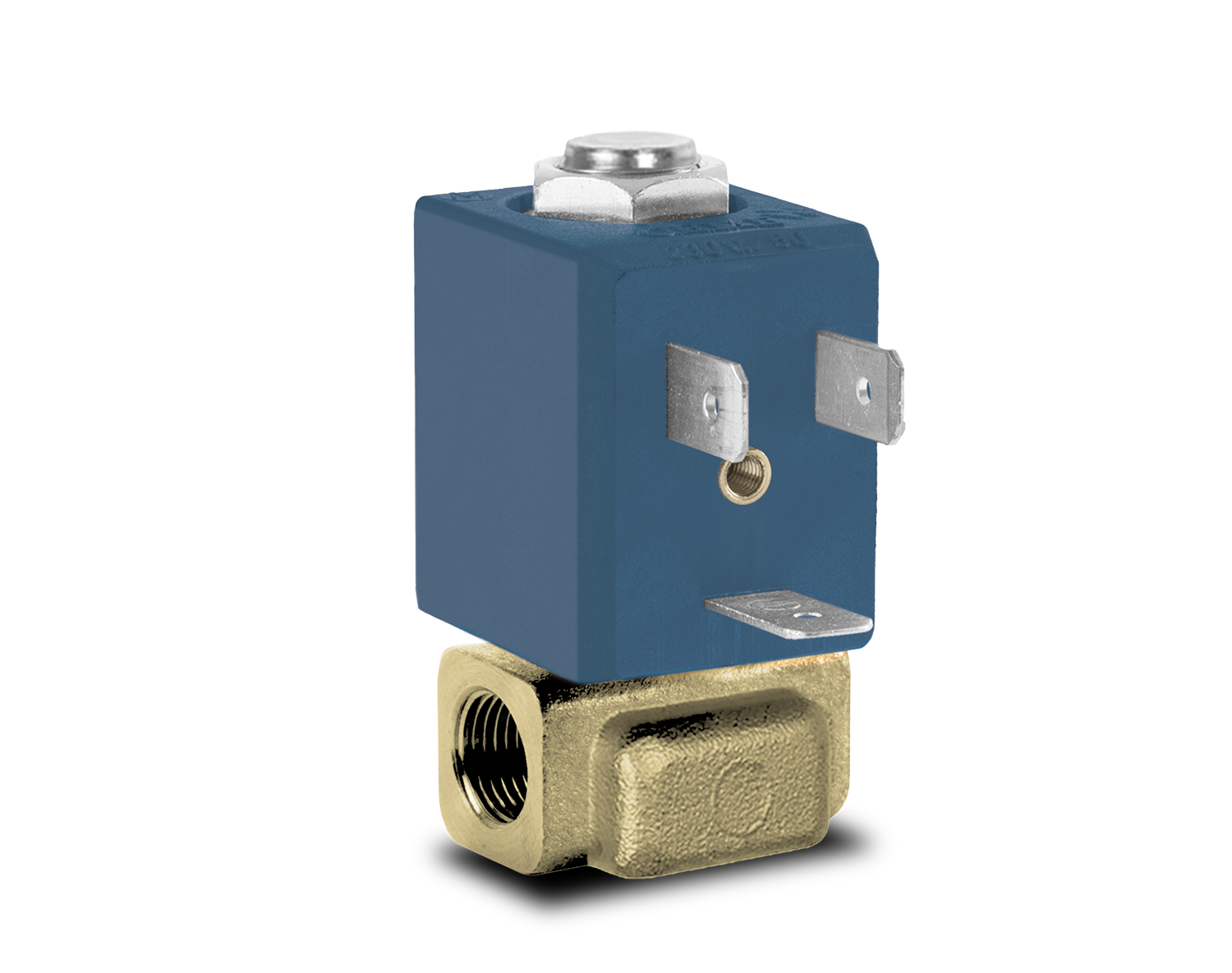
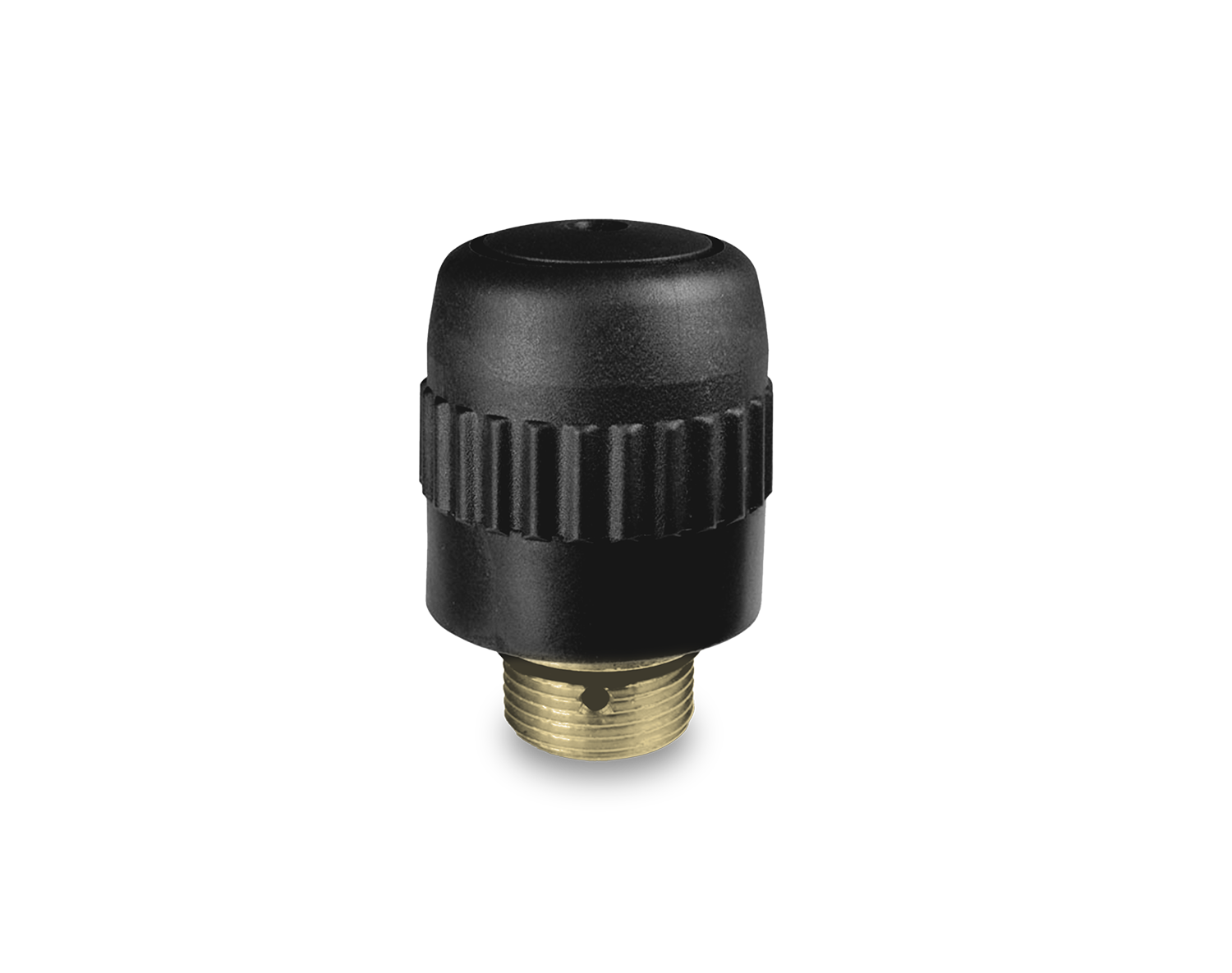
Water solenoid valve
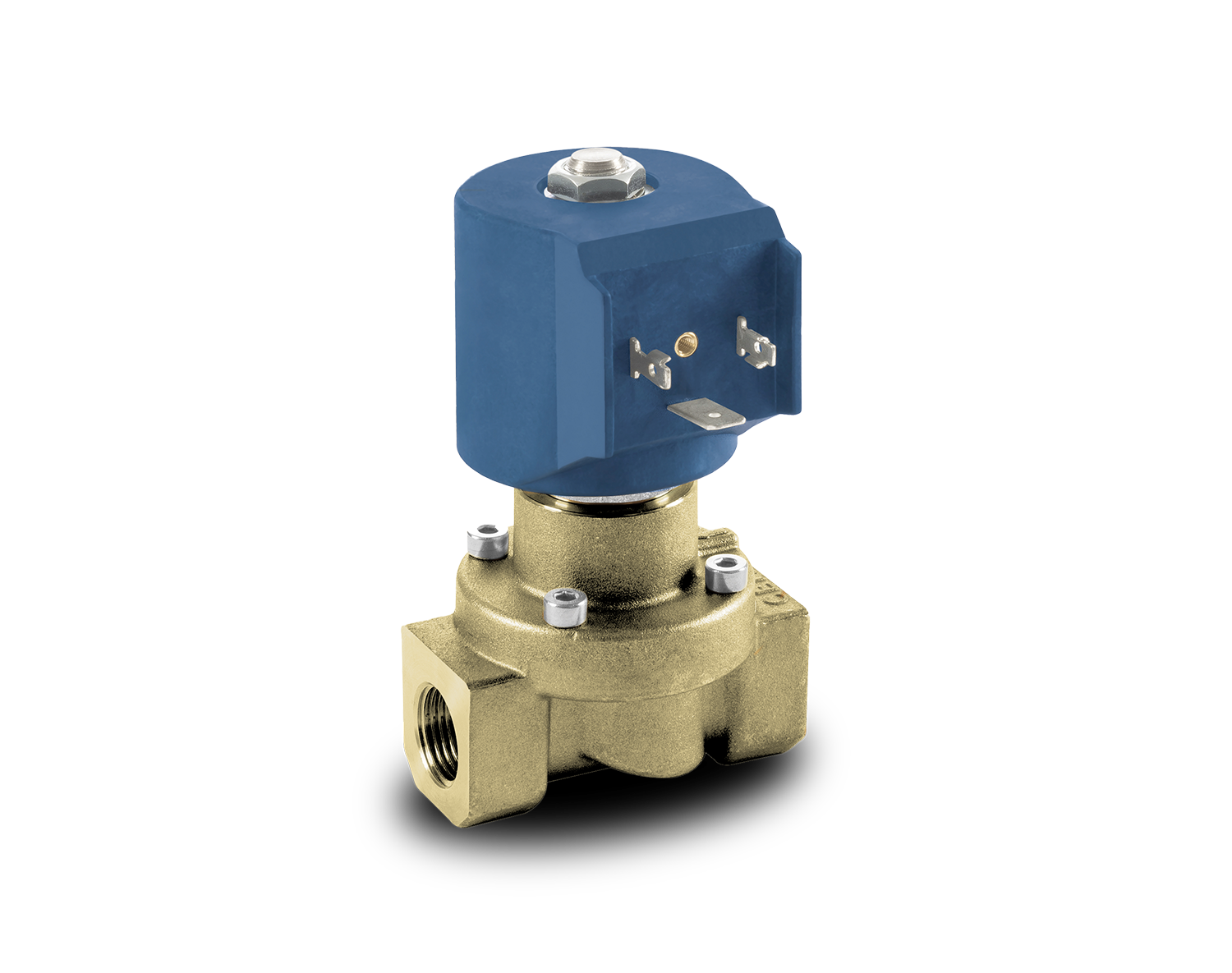
Water solenoid valves are essential components for controlling the flow of liquids in domestic and industrial plumbing systems. These devices automatically regulate the opening and closing of water passages, ensuring precision, efficiency, and safety in the systems in which they are installed. Solenoid valves are widely used in applications such as irrigation systems, household appliances, industrial plants, and water treatment systems.
Operation
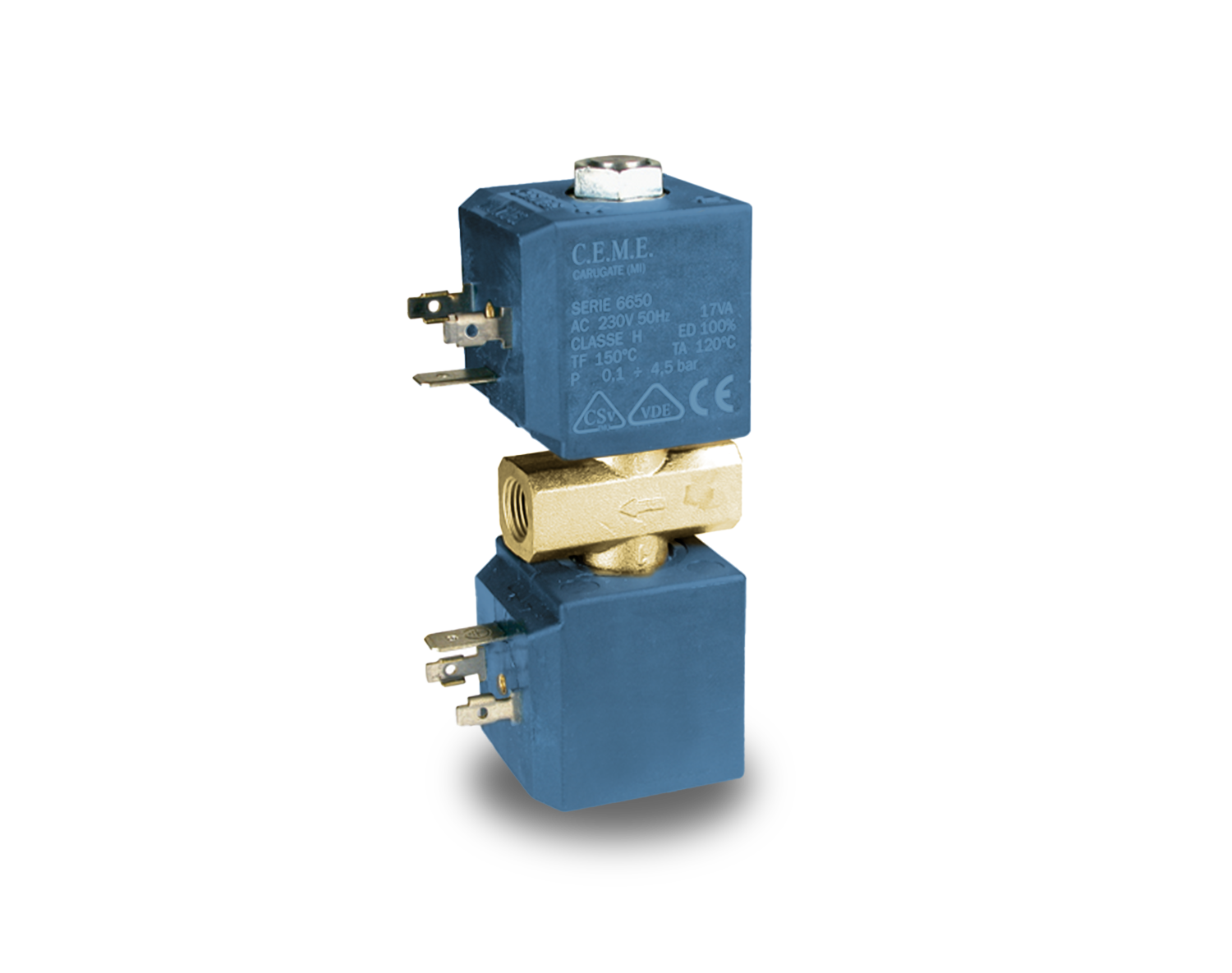
A water solenoid valve operates using an electromechanical mechanism that activates or interrupts the flow of liquid within a circuit. Its operation is based on an electromagnetic coil that, when energized, generates a magnetic field capable of moving a mobile core that opens or closes the water flow.
- Valve opening: when the coil is activated, the core lifts allowing water to pass into the circuit.
- Valve closing: Once the power is turned off, an internal spring returns the core to the closed position, blocking the flow.
- Flow regulation: Some solenoid valves allow you to regulate the flow of water with different partial opening modes, adapting to the specific needs of the system.
Water solenoid valves can be normally closed (NC), which open only when they receive an electrical signal, or normally open (NO), which remain open until a signal closes them.
Our water solenoid valves
Types of water solenoid valves
Direct-acting solenoid valves:
Ideal for low-pressure circuits, they operate quickly and precisely.
Servo-assisted solenoid valves:
Suitable for high-pressure circuits, they use water pressure to open and close the passage.
Diaphragm solenoid valves:
Used for applications requiring more sensitive flow control, such as irrigation systems.
Connection types
L-fitting:
With right-angle inlet and outlet, ideal for compact installations and tight spaces.
Straight fitting:
Aligned inlet and outlet, perfect for linear flow systems.
Threaded fitting:
Allows for secure installation in standard plumbing systems.
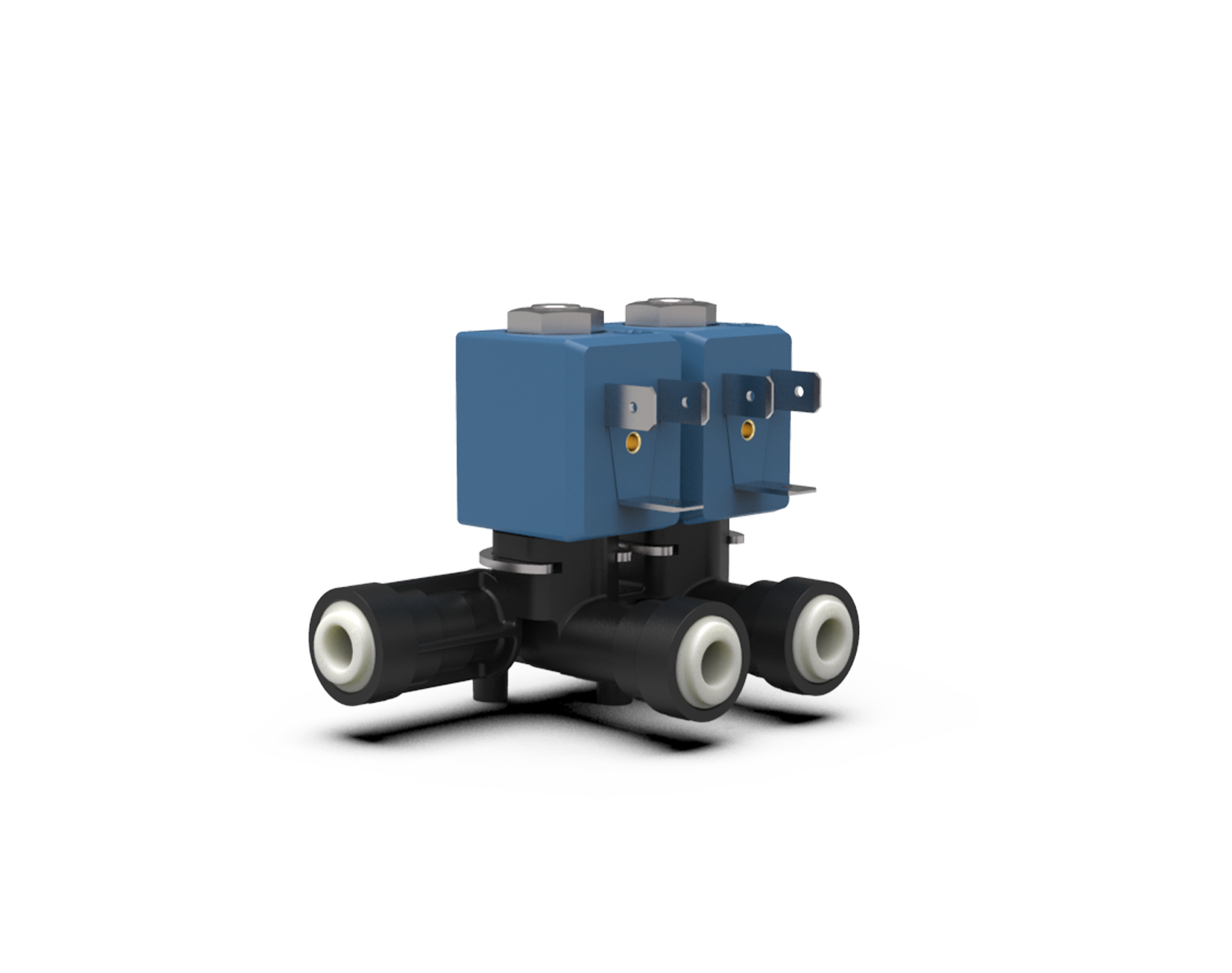
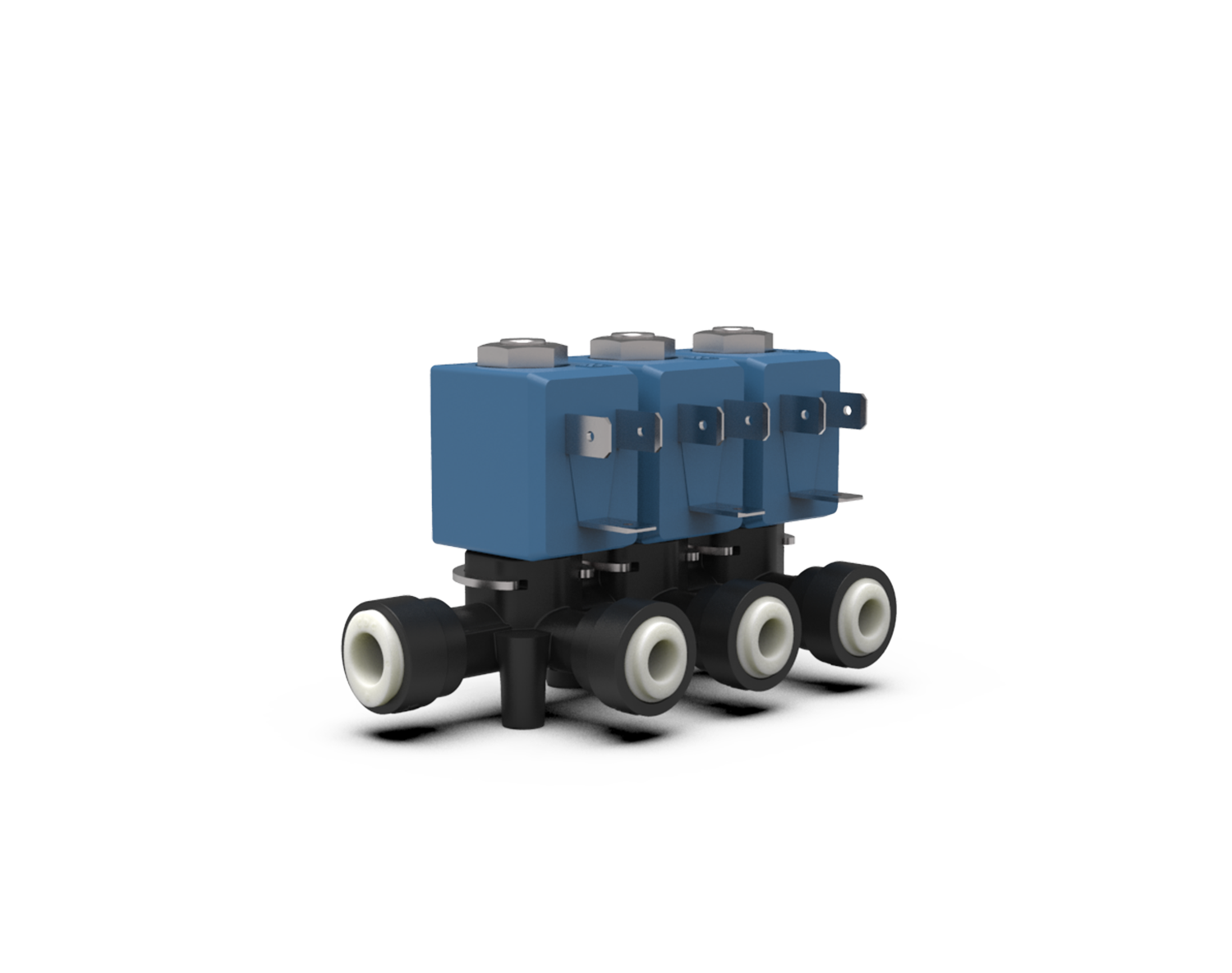
Quick-connect fitting:
Used for quick and easy connections without the need for special tools.
Applications
Irrigation systems:
regulate water flow in automatic systems for watering gardens and crops.
Household appliances:
found in washing machines, dishwashers, and water dispensers to control flow during wash cycles.
Water treatment systems:
used to regulate flow in filtration and purification systems.
Food industry:
used in production processes that require precise water control.
HVAC systems:
regulate water distribution in air conditioning, heating, and cooling circuits.
Fire protection systems:
used to automatically activate water supply in sprinkler systems.