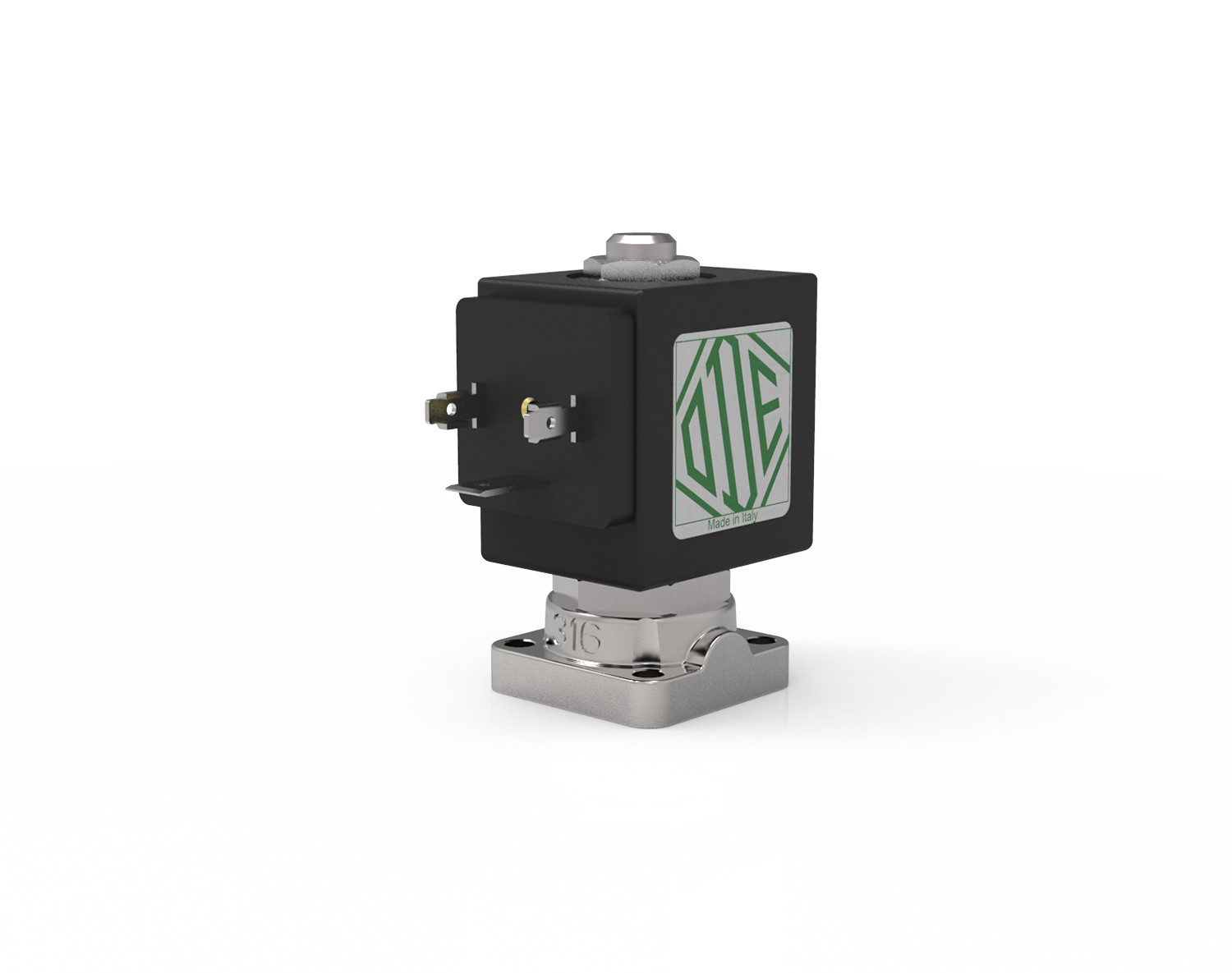
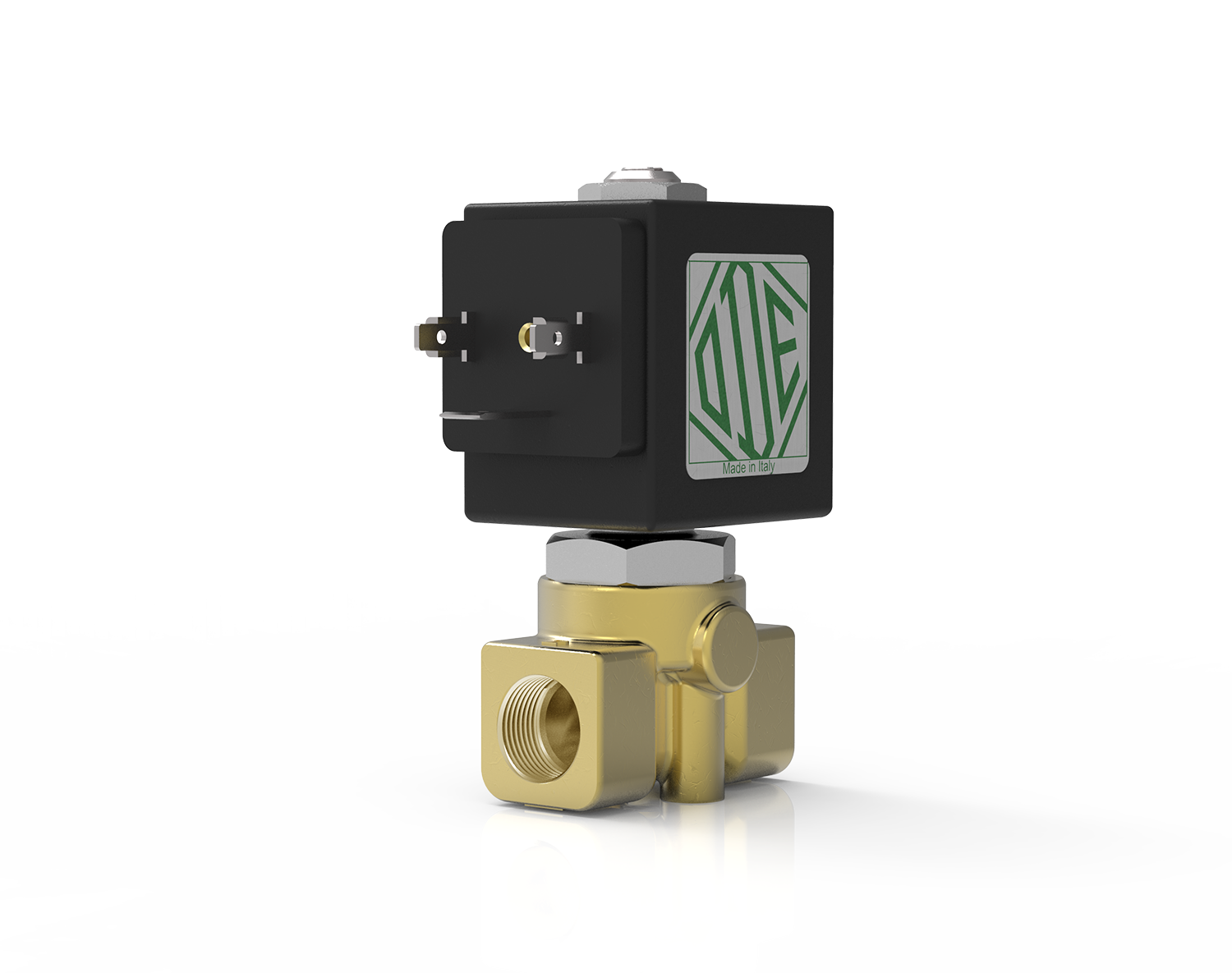
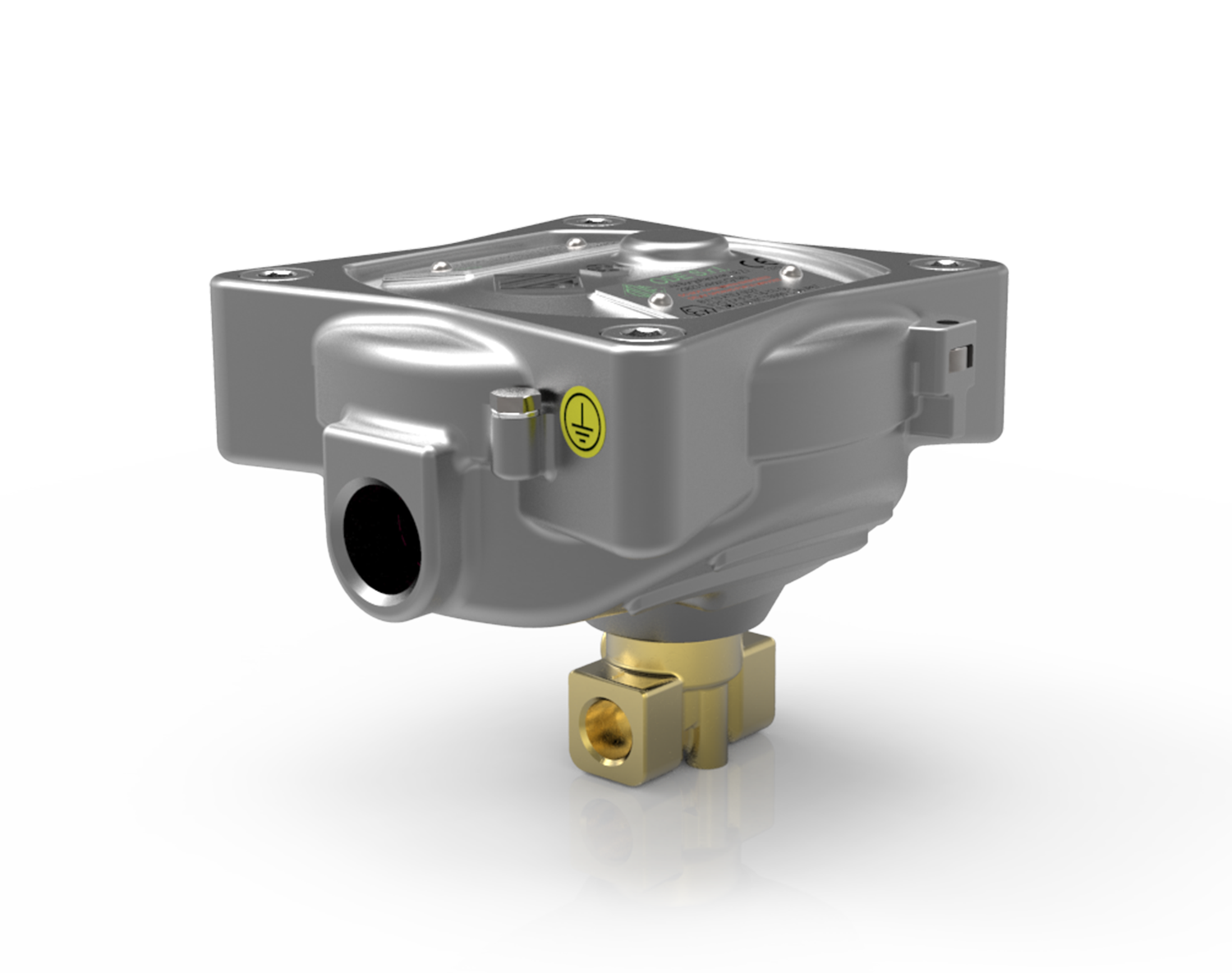
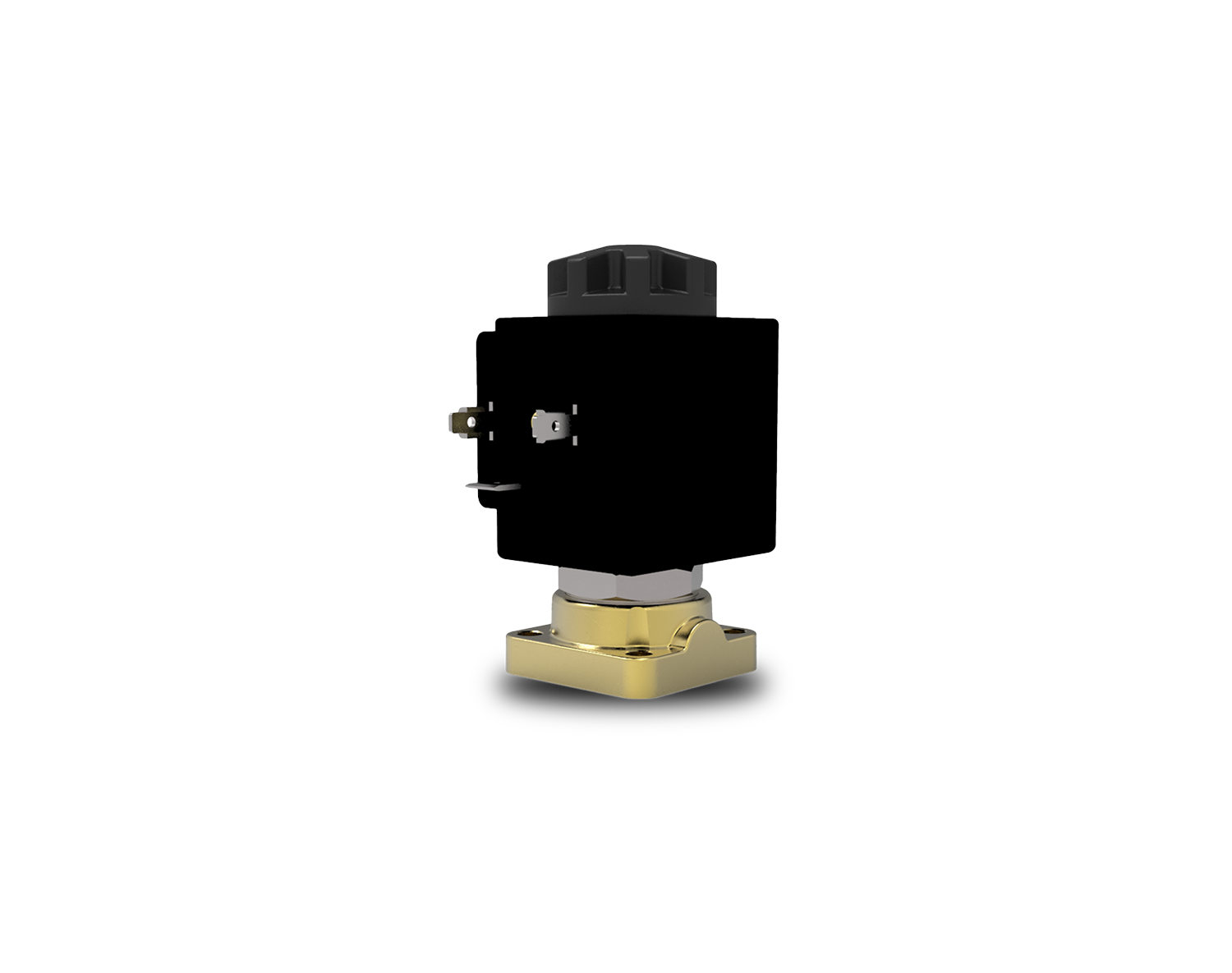
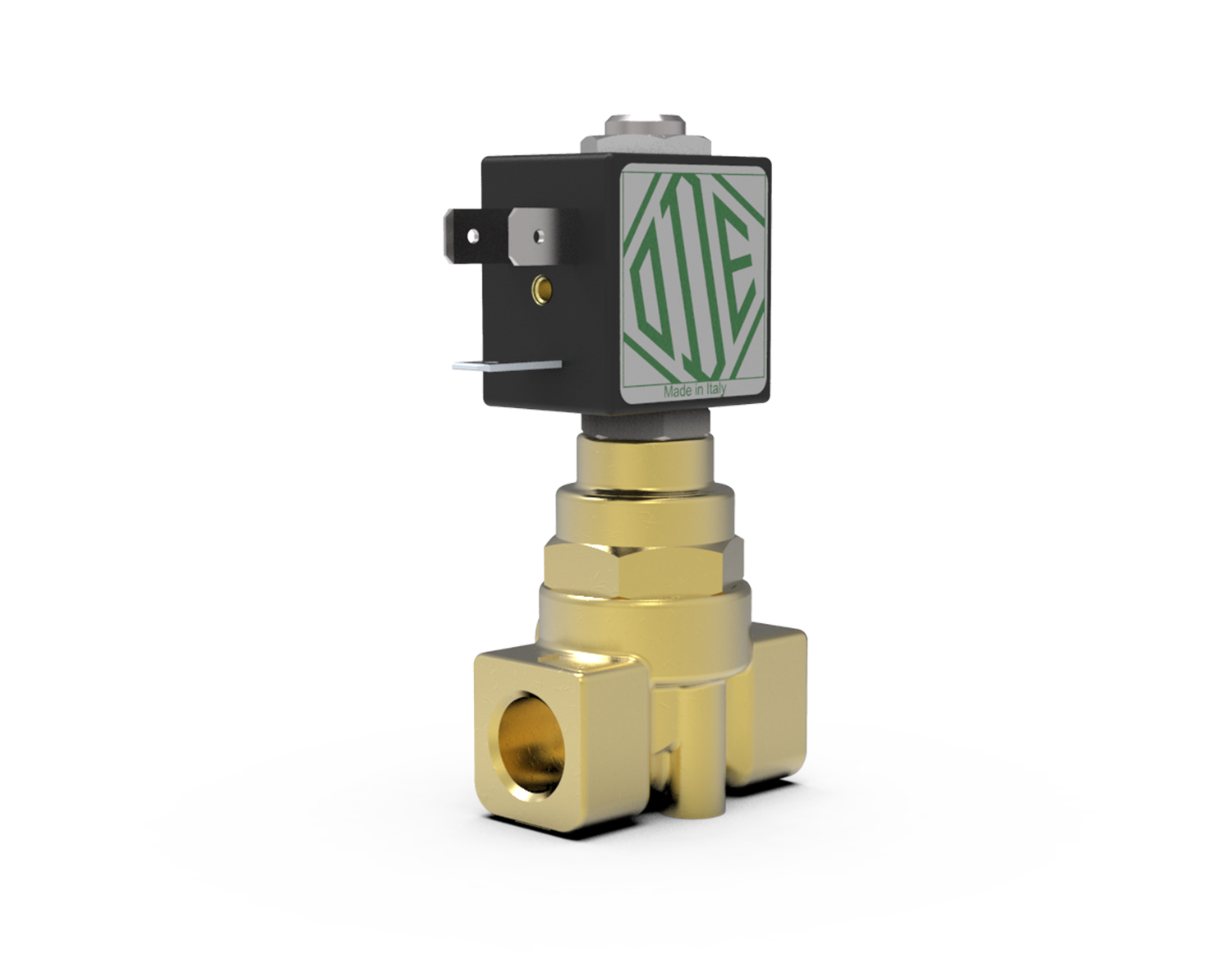
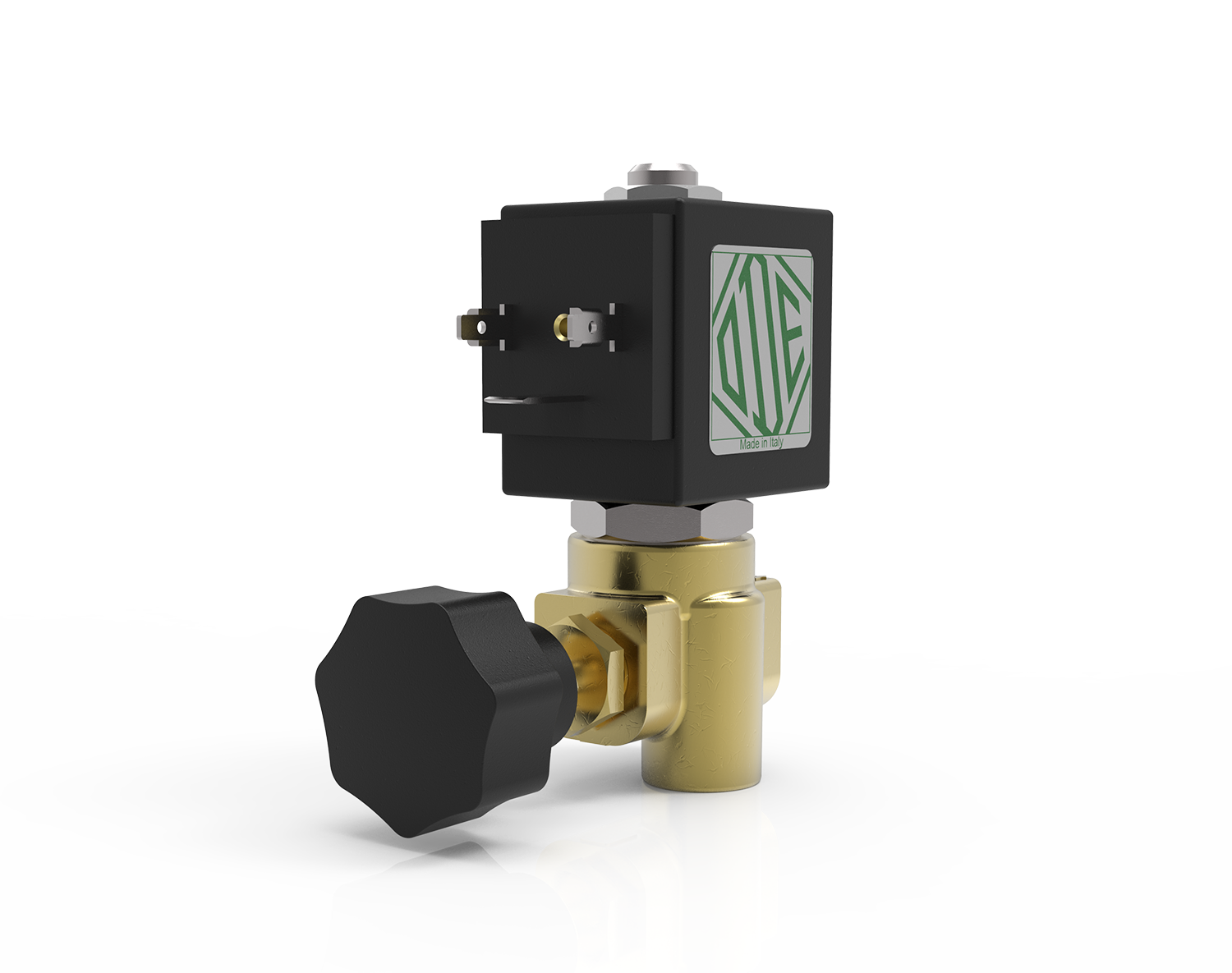
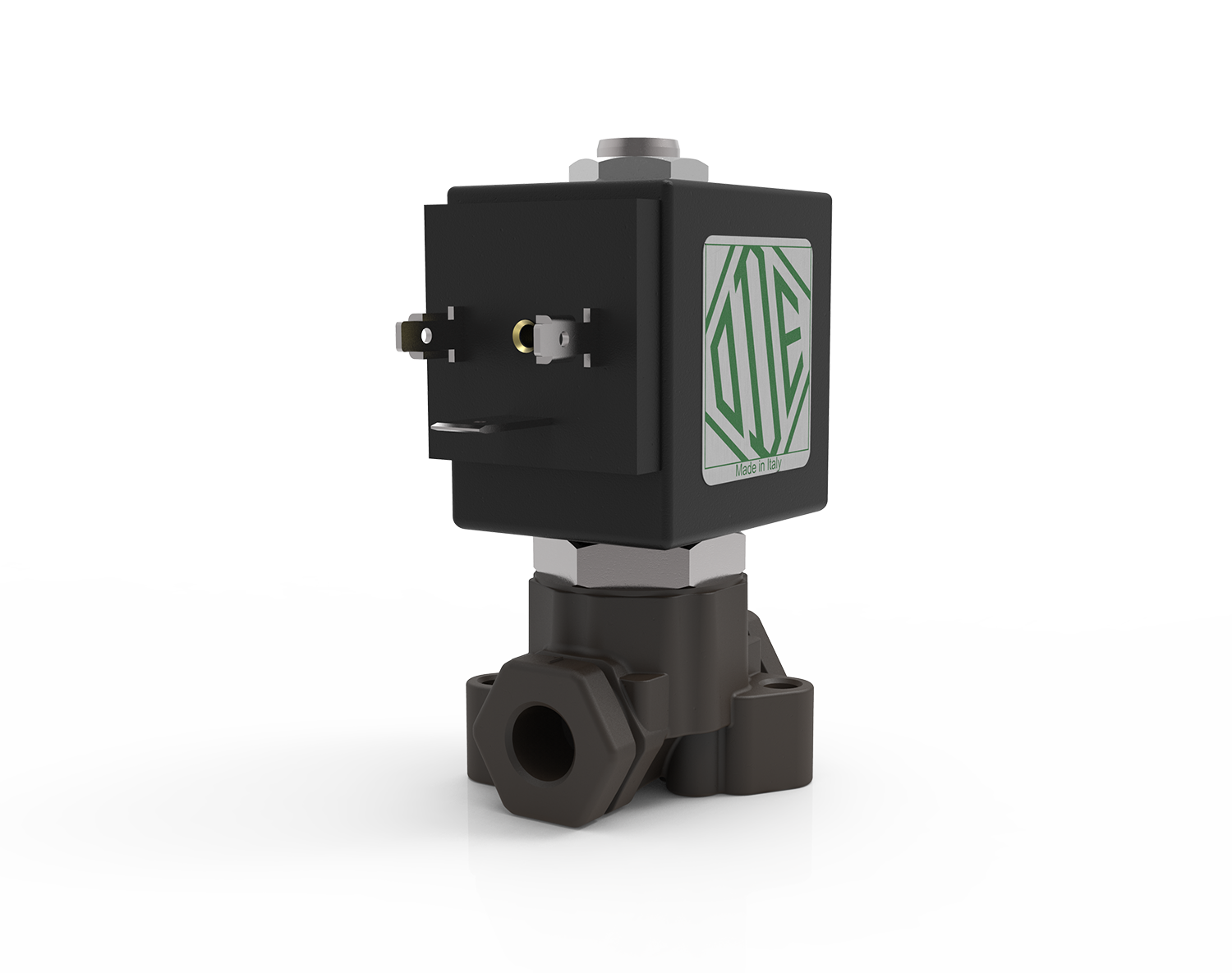
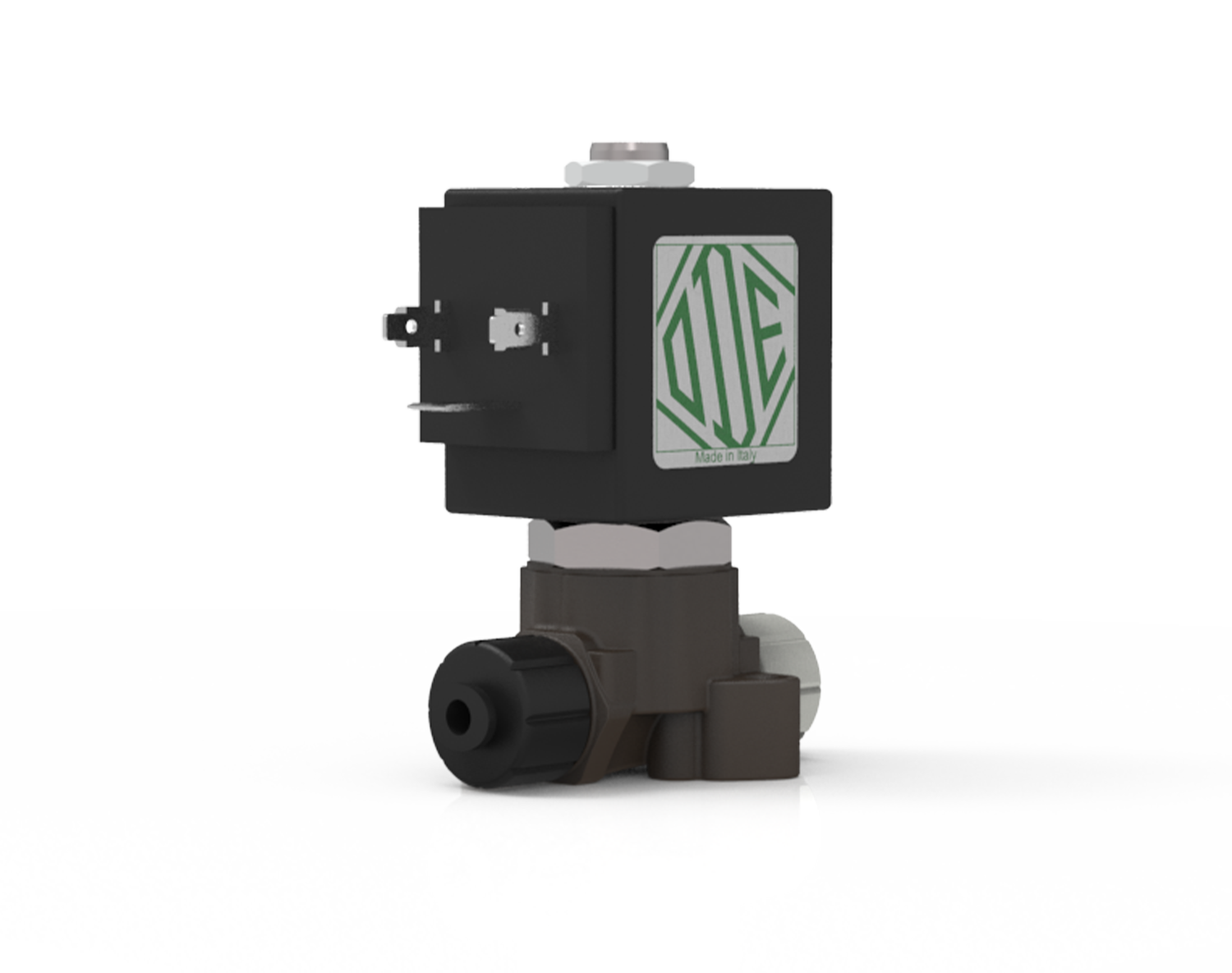
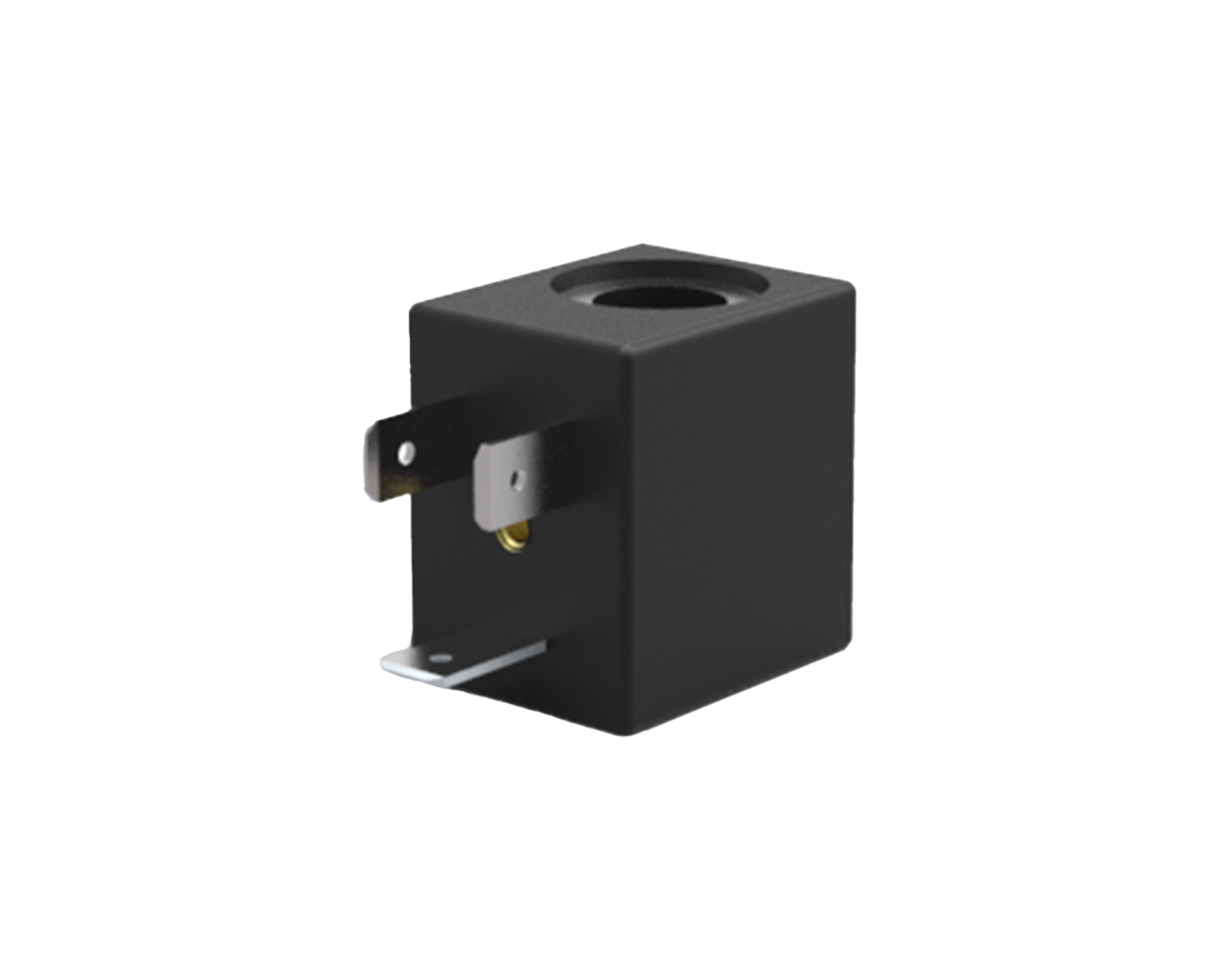
Air valve _
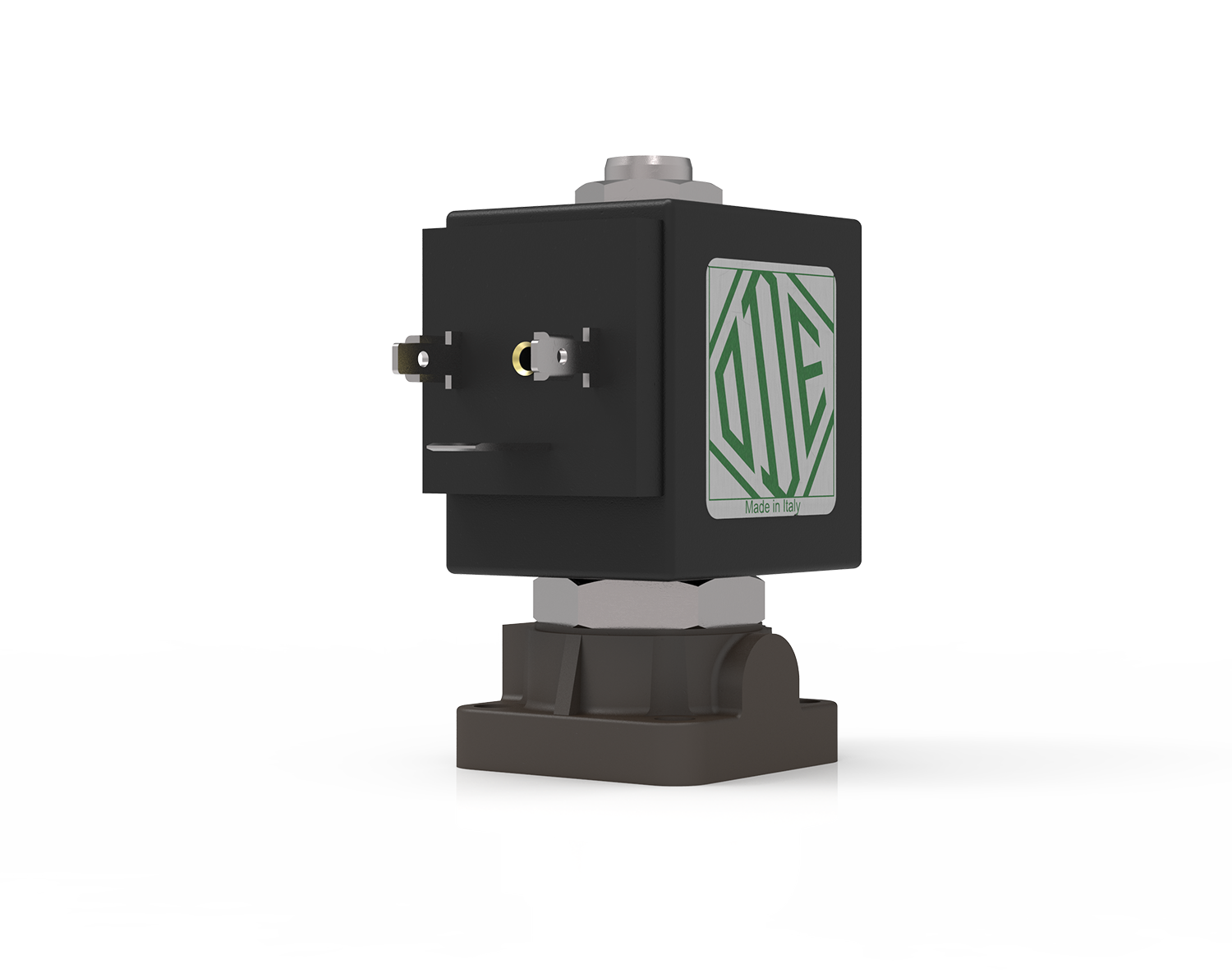
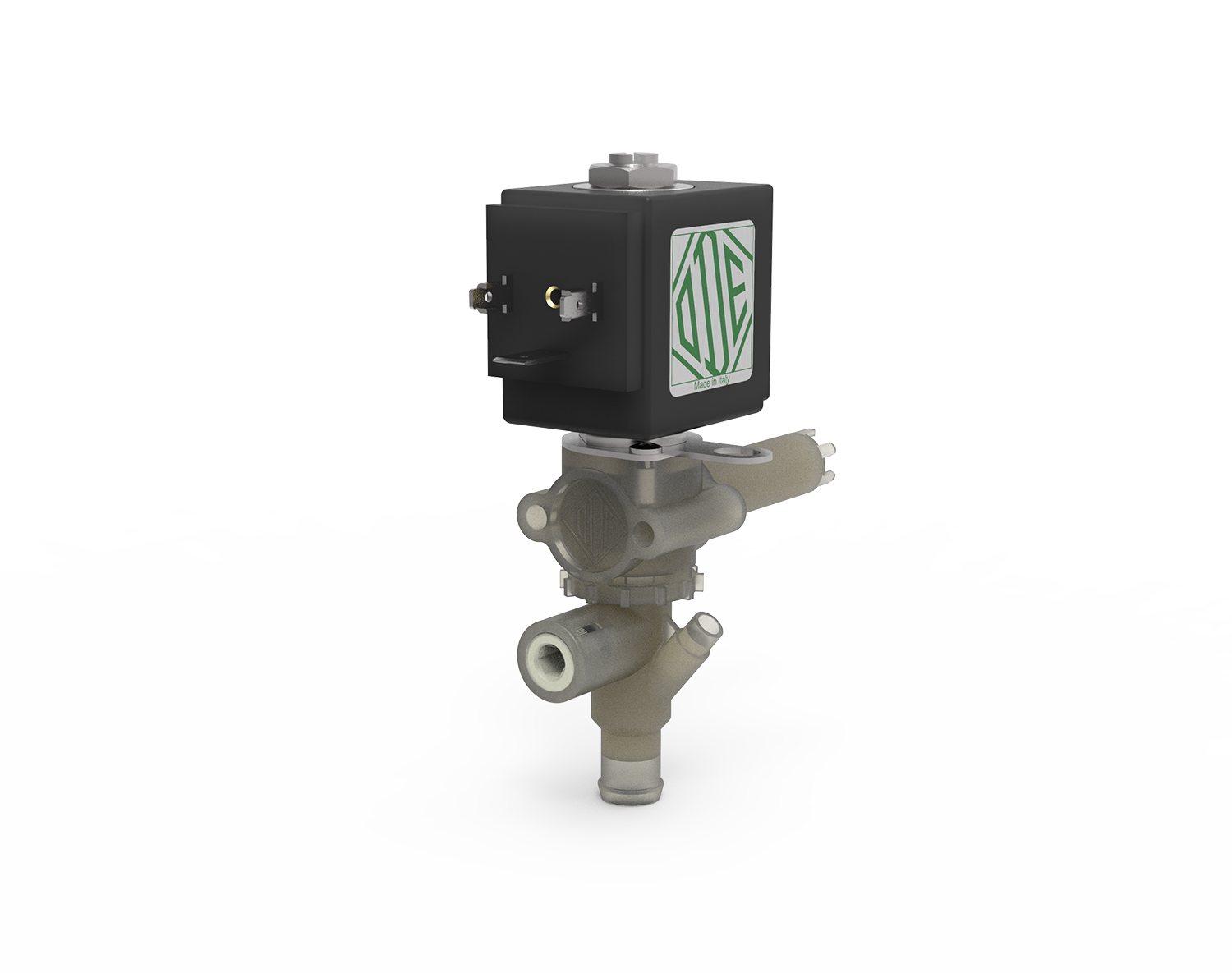
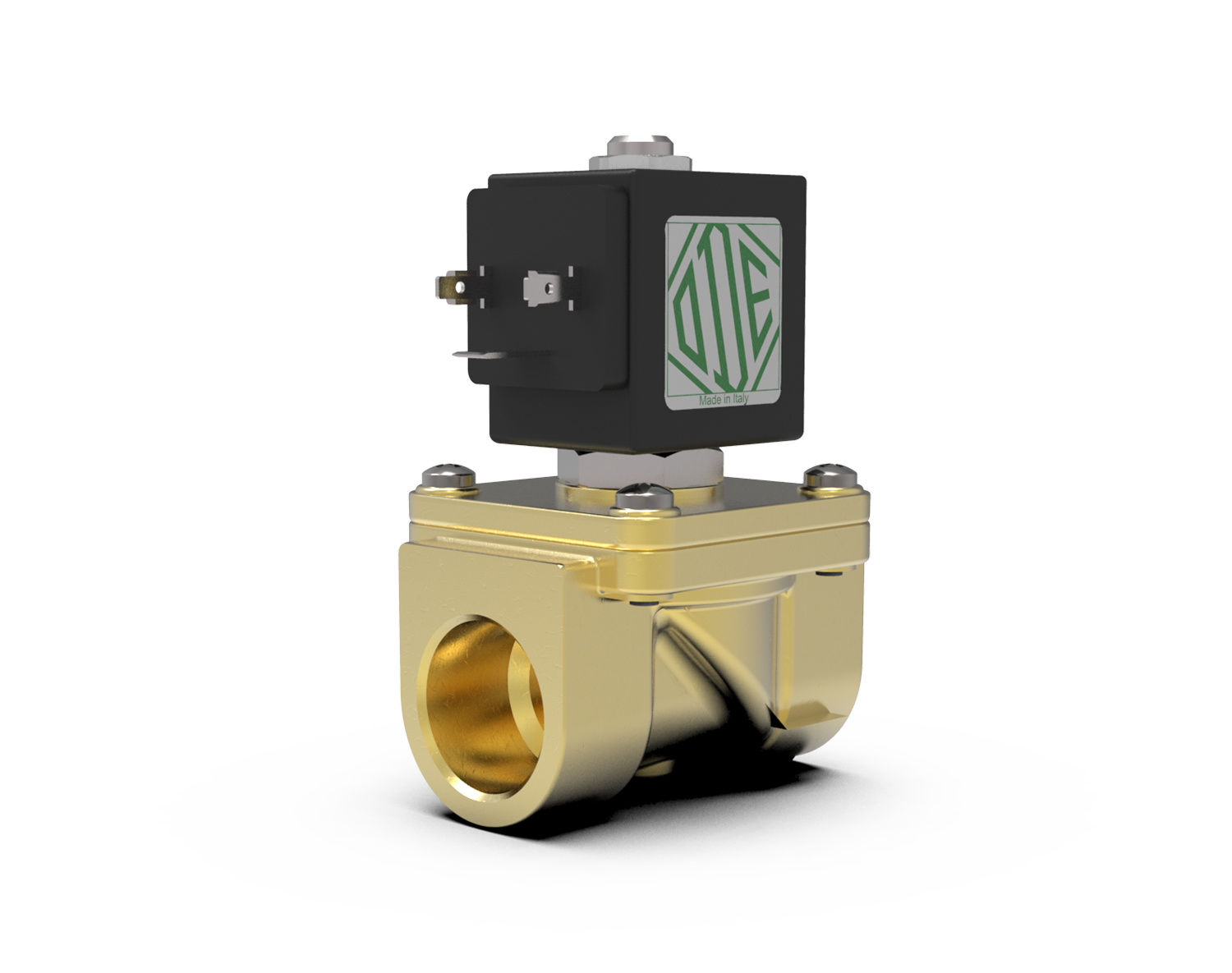
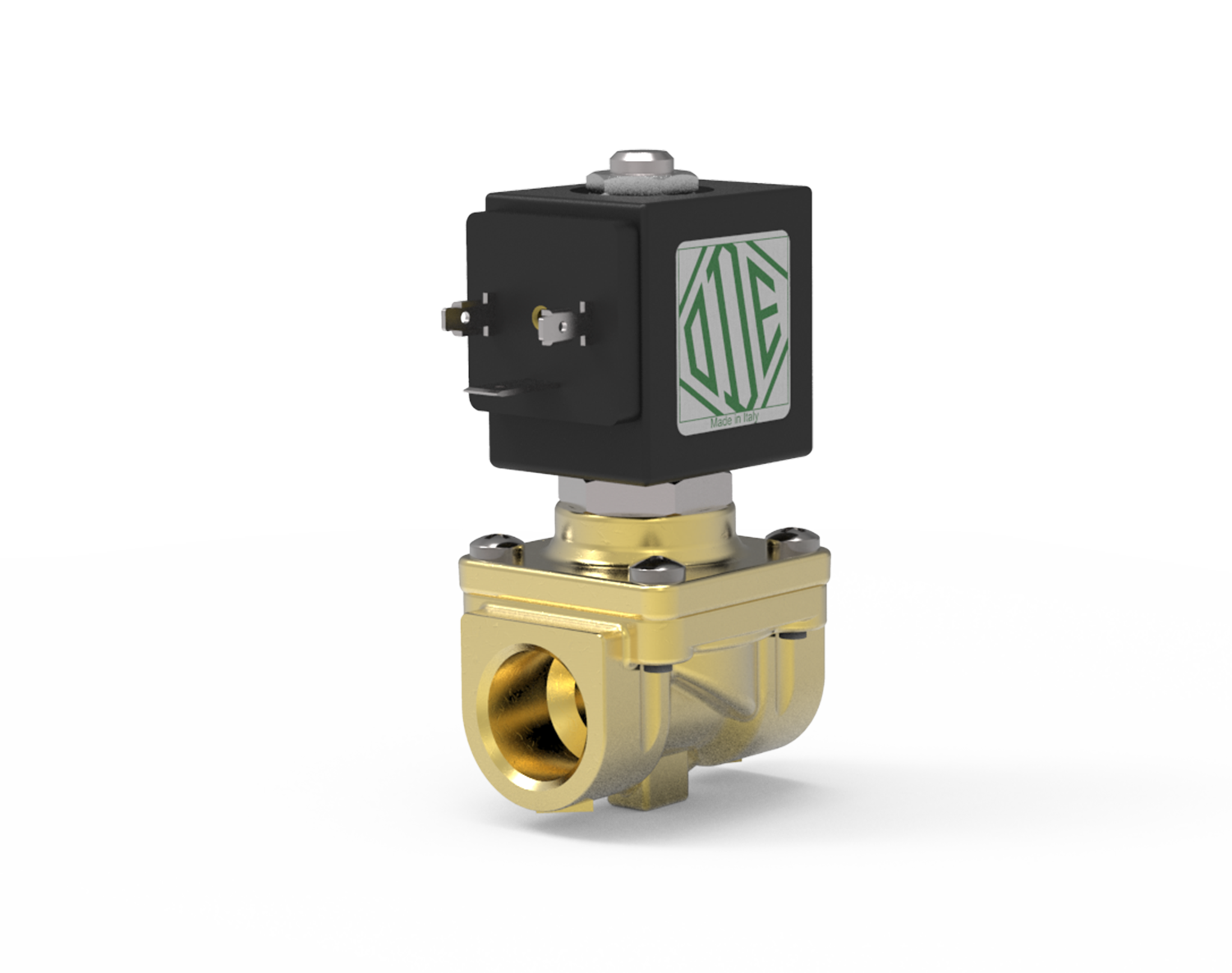
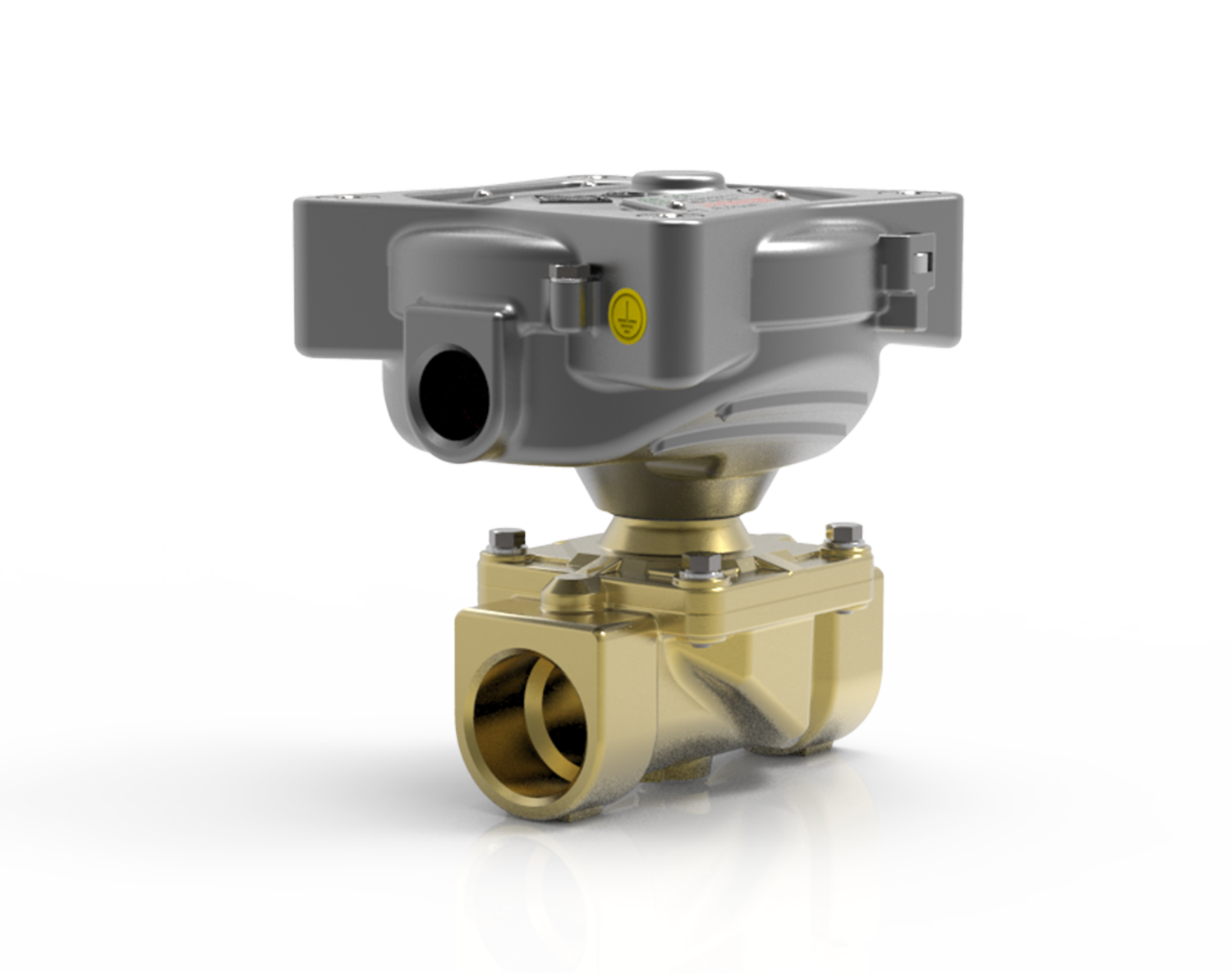
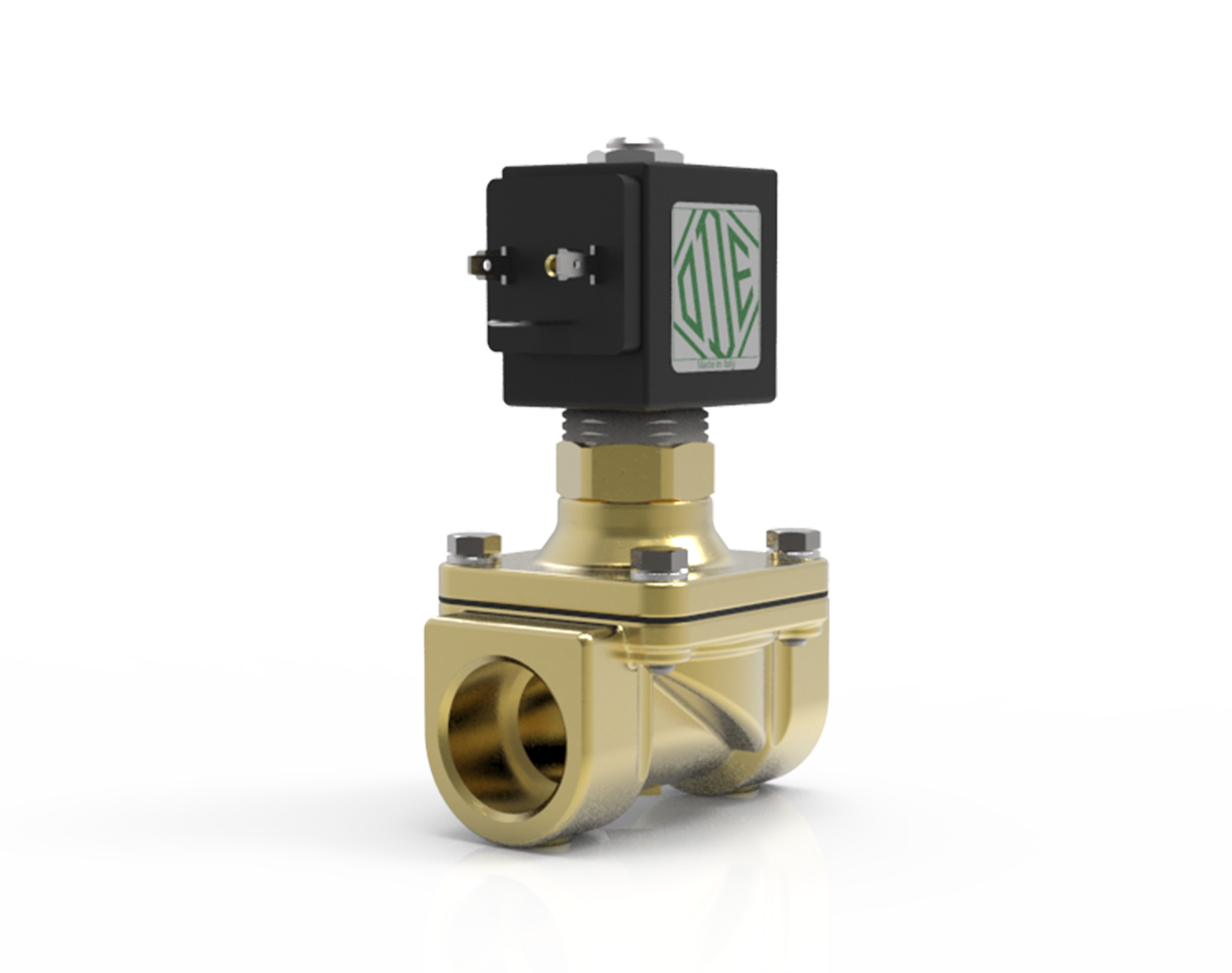
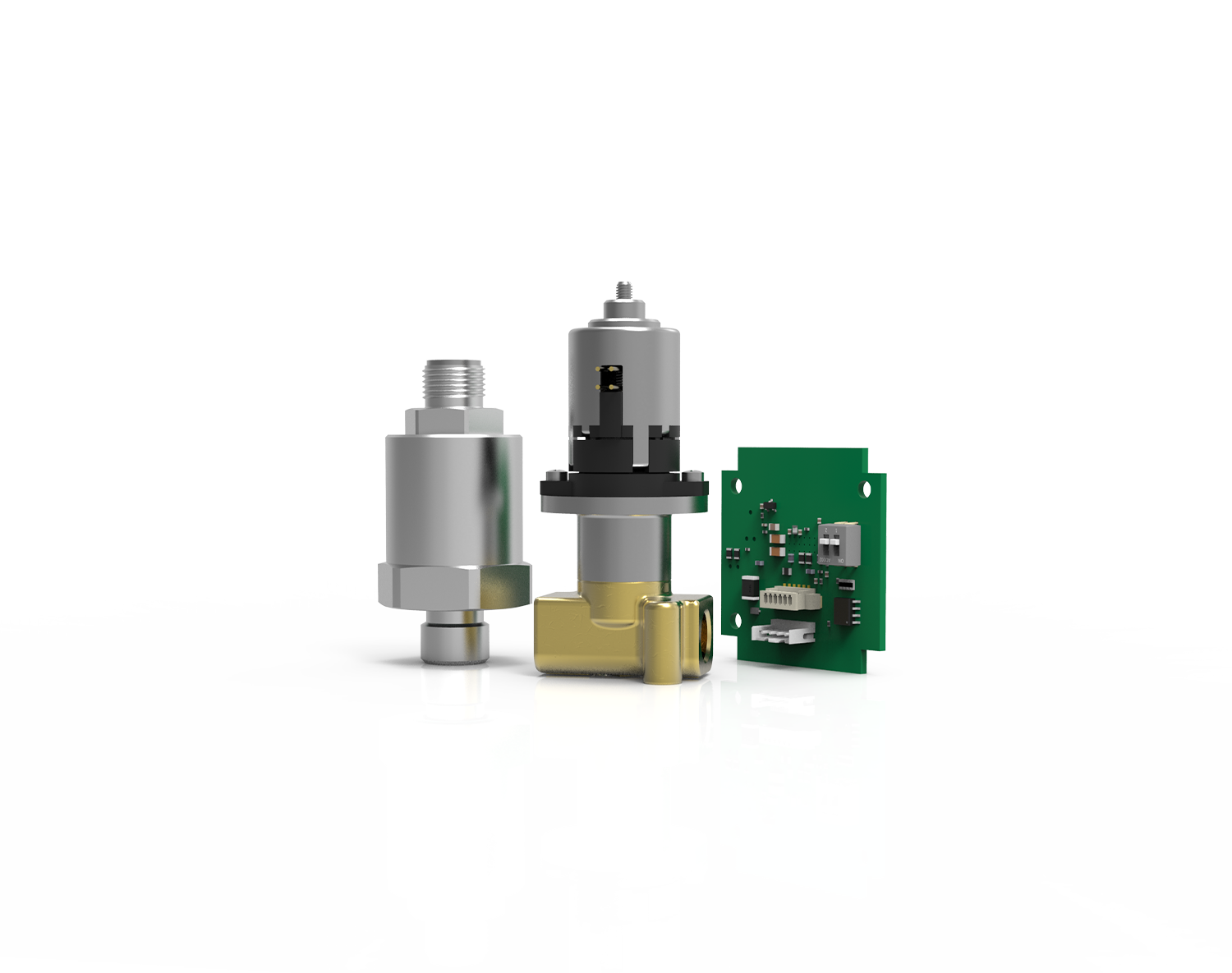
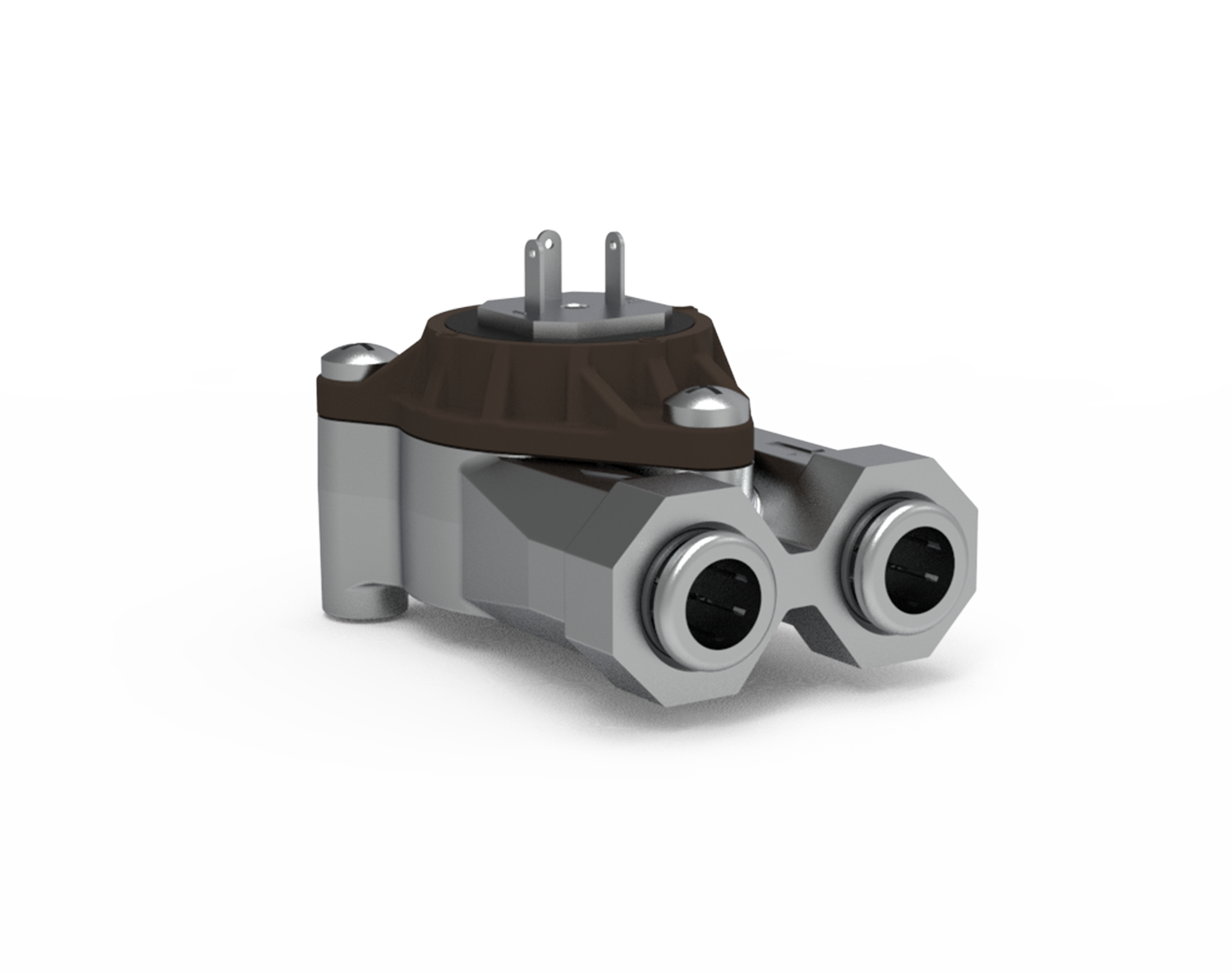
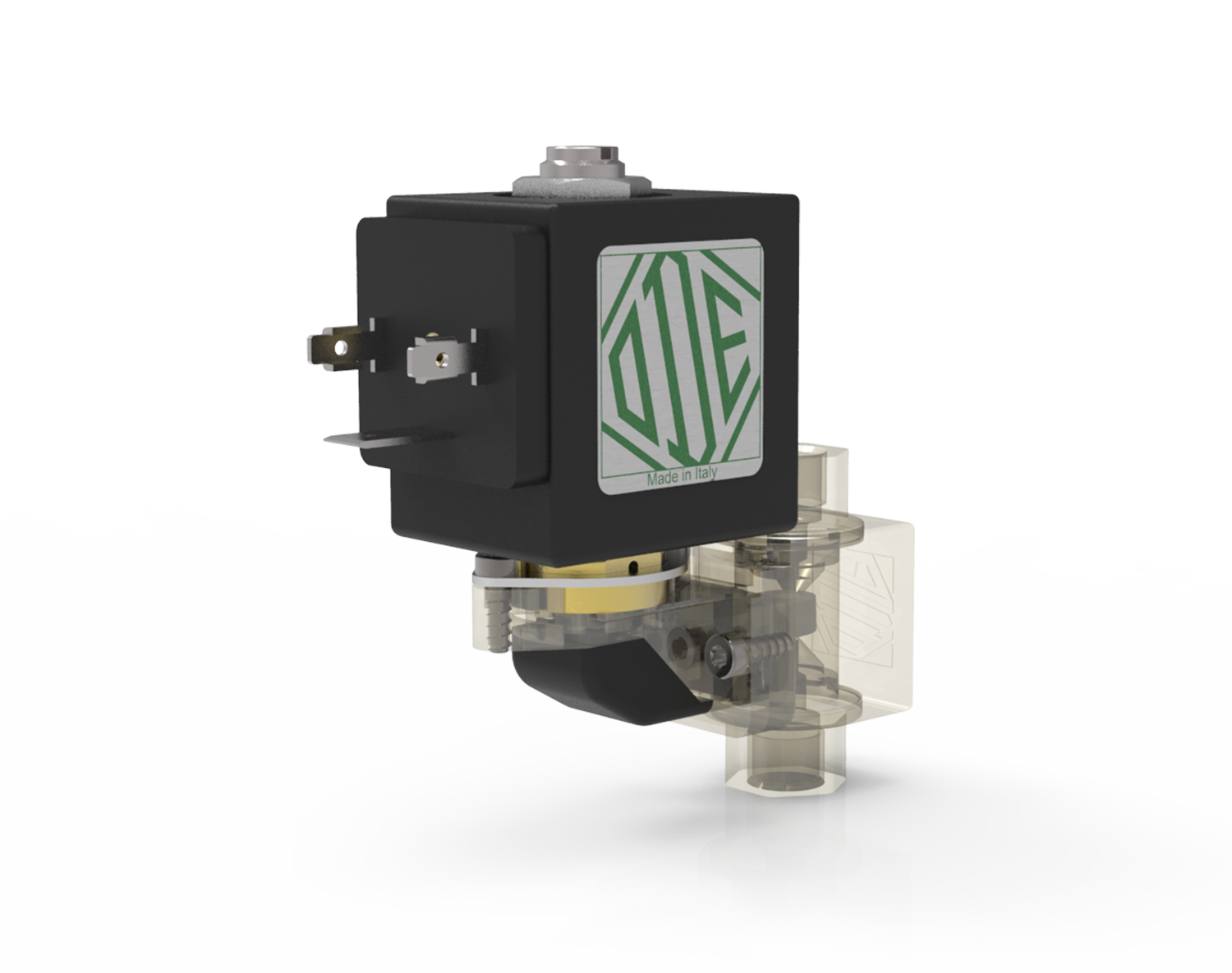
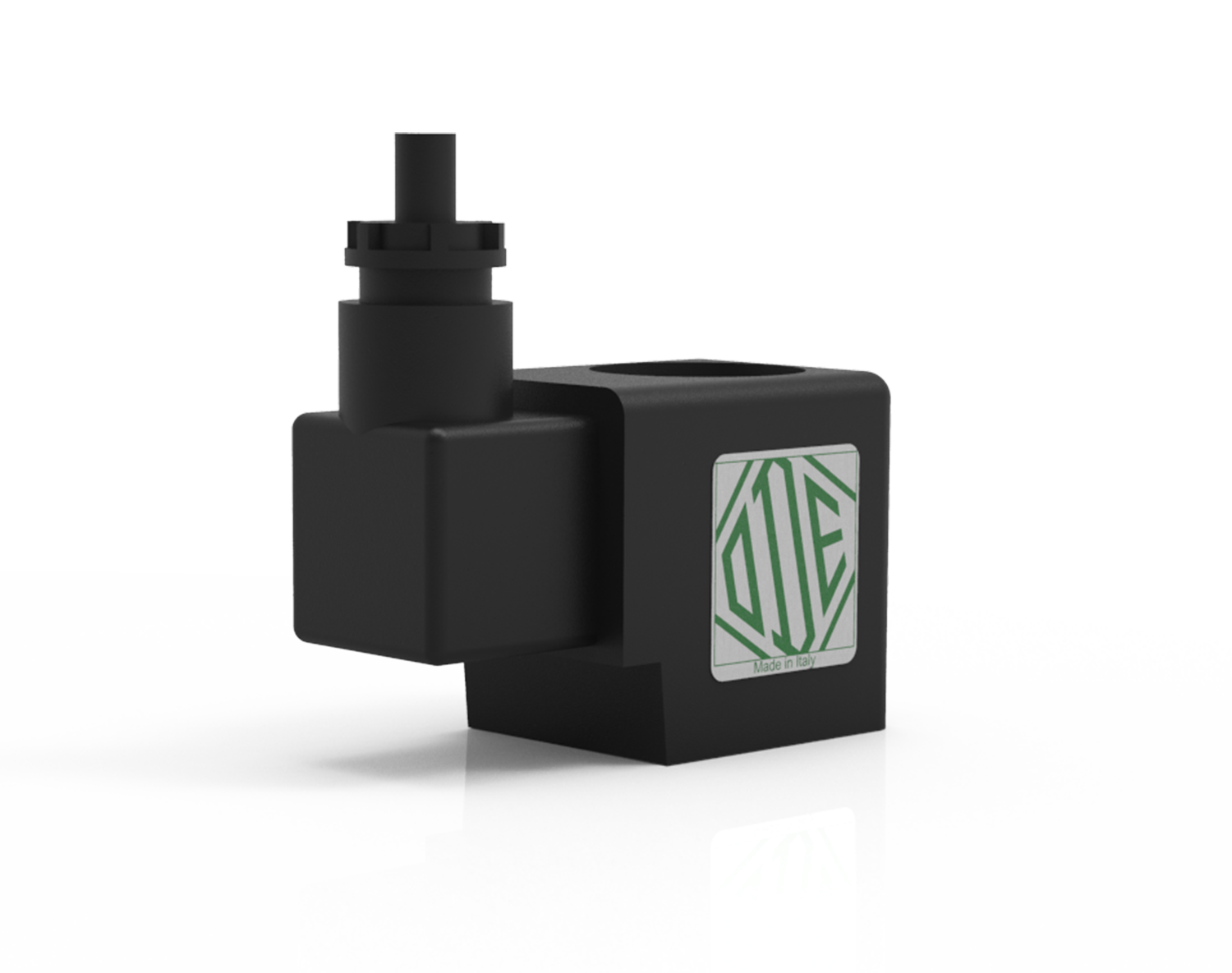
Air valves are fundamental components in pneumatic and fluid control systems, allowing the regulation of the passage of air in different industrial devices and systems. Reliable and designed to guarantee high performance, these valves find application in sectors such as automation, air conditioning, the medical sector and many others.
Air valve operation
Air valves operate by regulating the flow of compressed air within a pneumatic circuit. Their operation is based on an opening and closing mechanism that allows you to manage the direction, pressure and amount of air delivered.
- Circuit opening: the valve is activated allowing the passage of air in the system.
- Circuit closing: the valve closes preventing pressure losses and maintaining the efficiency of the system.
- Flow regulation: some valves are designed to modulate the amount of air according to the needs of the process.
There are different configurations of air valves, designed to meet specific industrial needs:
- Monostable valves: they close automatically once the impulse is finished.
- Bistable valves: maintain their position until a new impulse.
- Proportional valves: regulate the air flow gradually based on an electrical signal.
- Safety valves: prevent overpressures and guarantee the reliability of the system.
- Quick discharge valves: allow rapid de-pressurisation to ensure the safety of the systems.
Our Air Valves
Steam valve applications
Industrial automation:
they regulate the air in the pneumatic circuits to move cylinders and actuators.
HVAC and air conditioning:
used in ventilation and air conditioning systems to optimise airflow.
Medical sector:
control the distribution of air in ventilation equipment and surgical instruments.
Machine tools:
used in industrial cooling and lubrication systems.
Food industry:
they manage the air flow in the food packaging and processing processes.