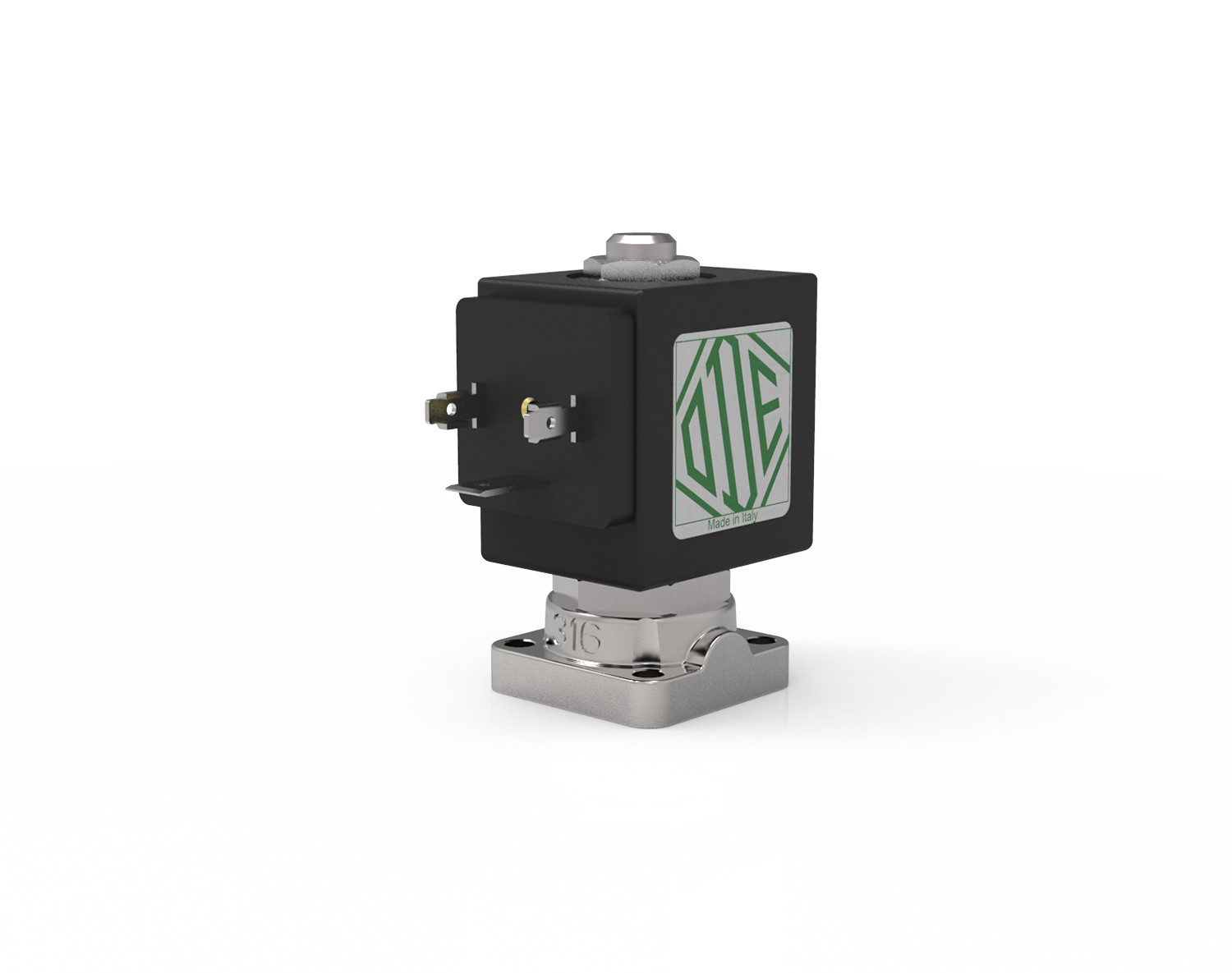
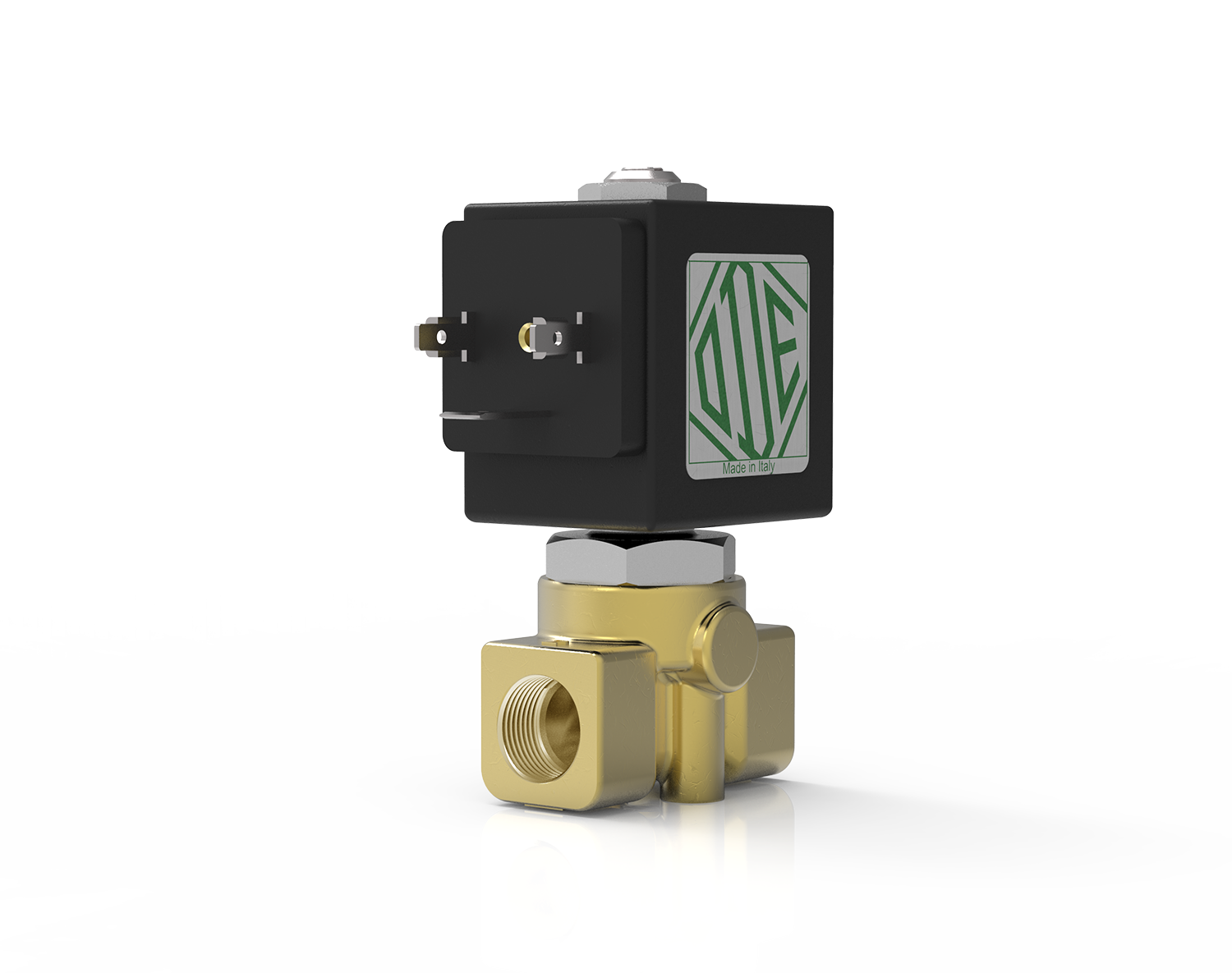
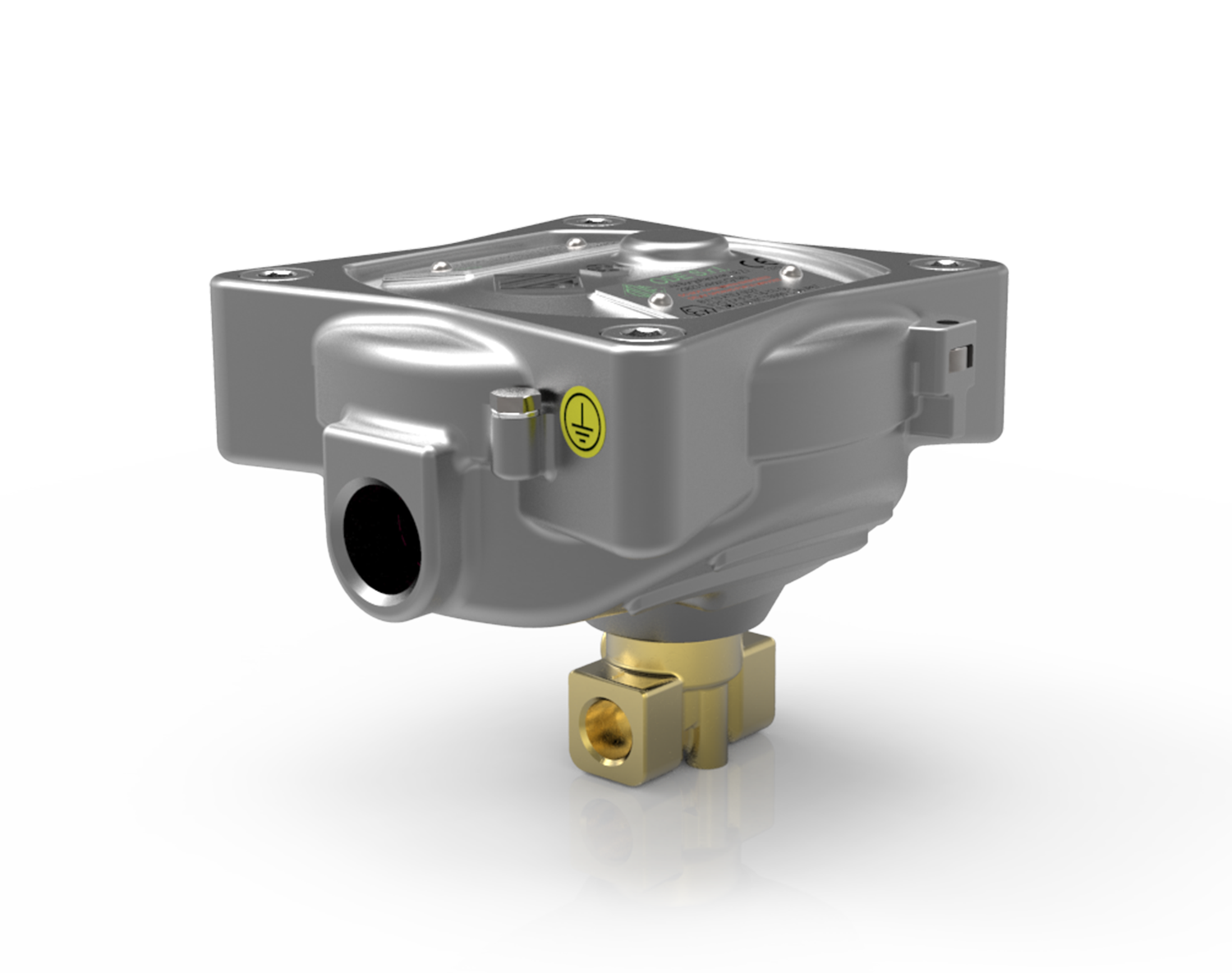
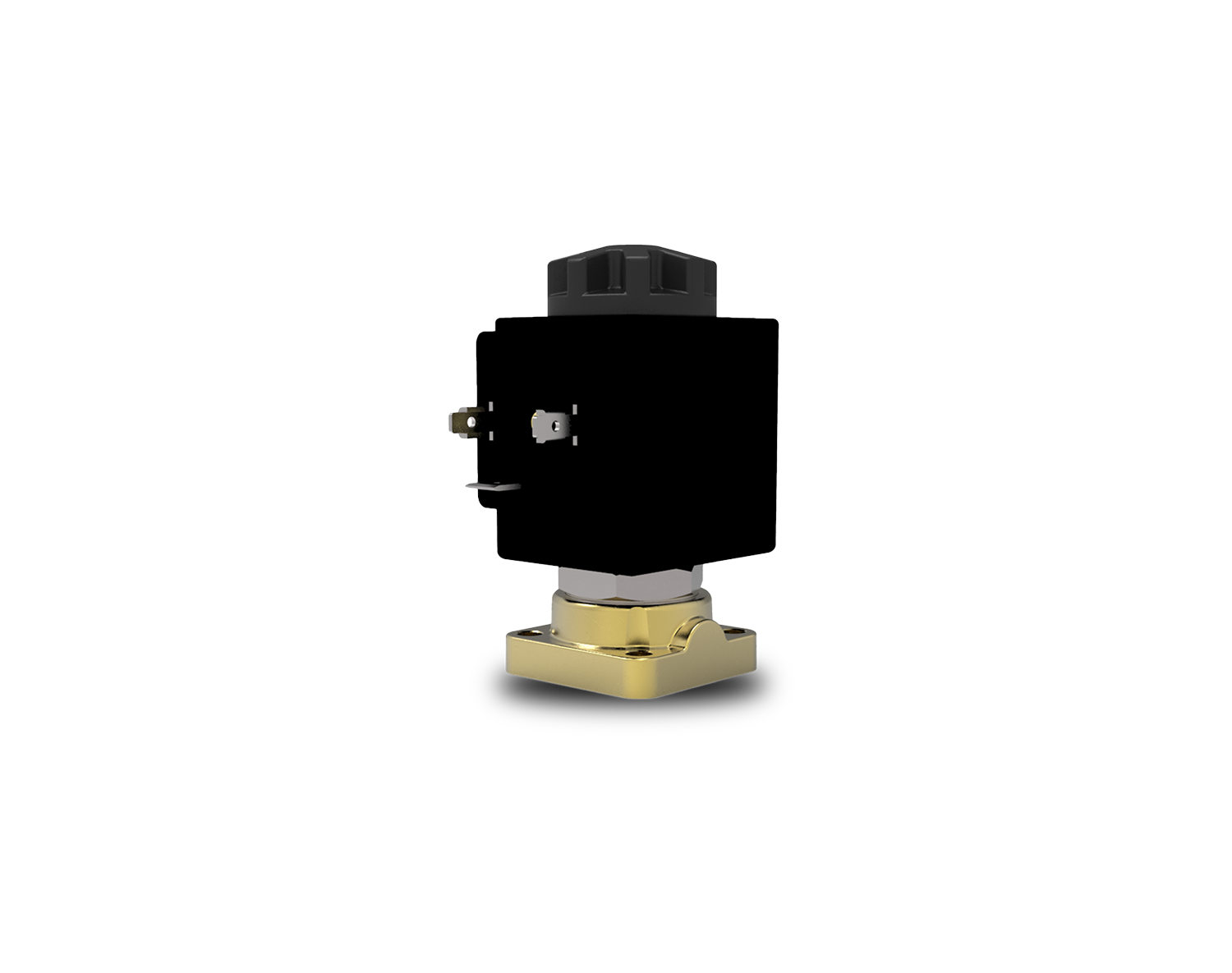
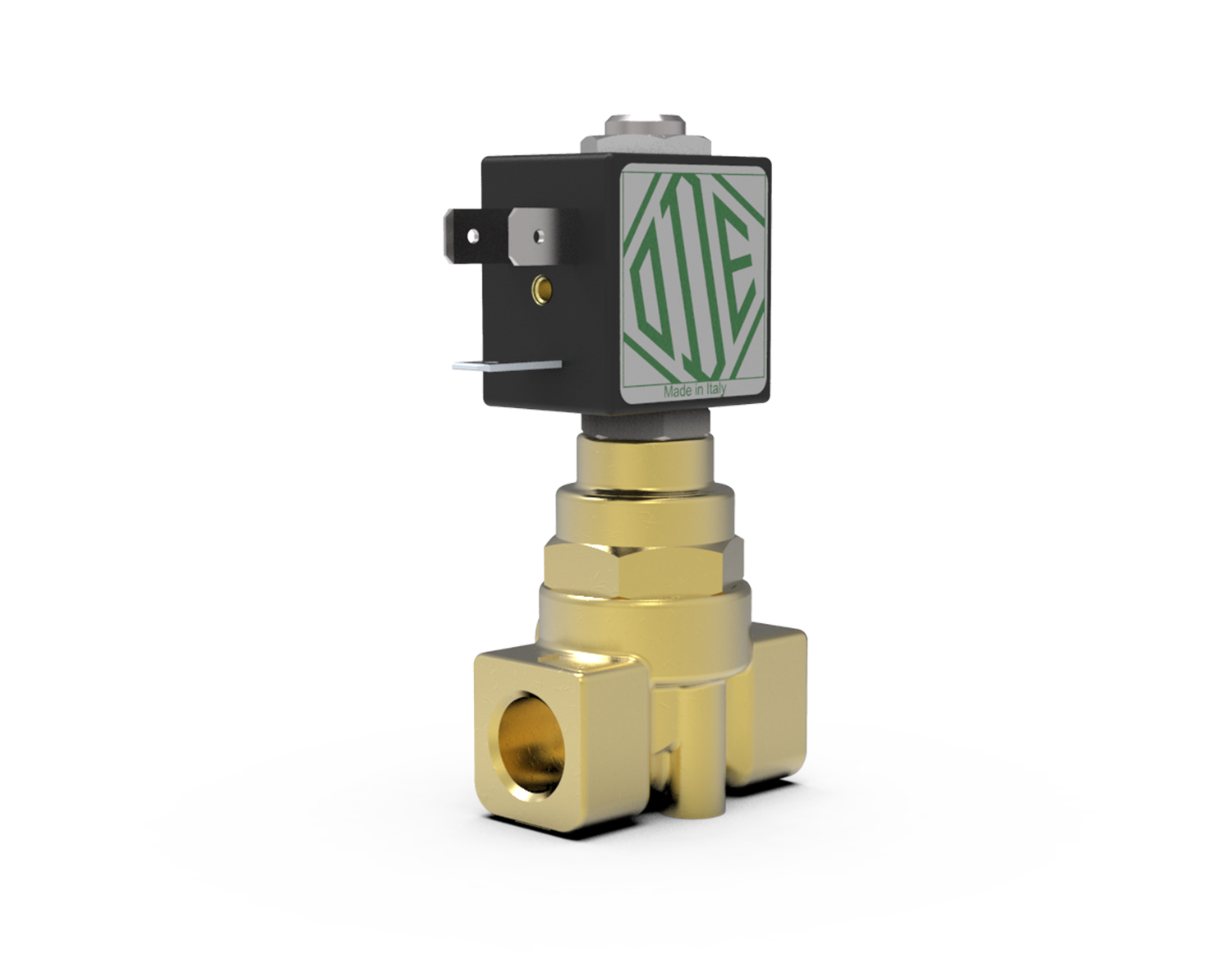
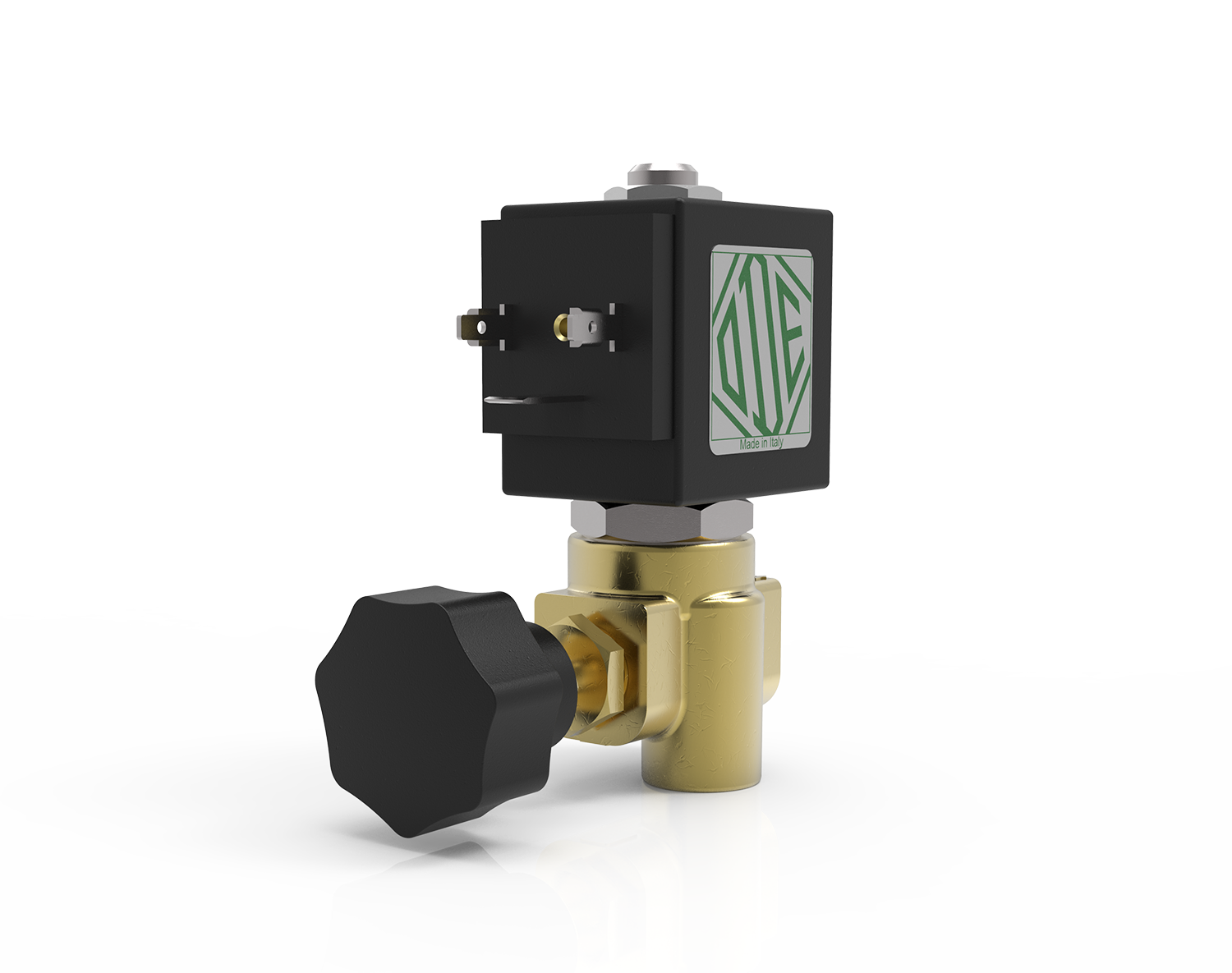
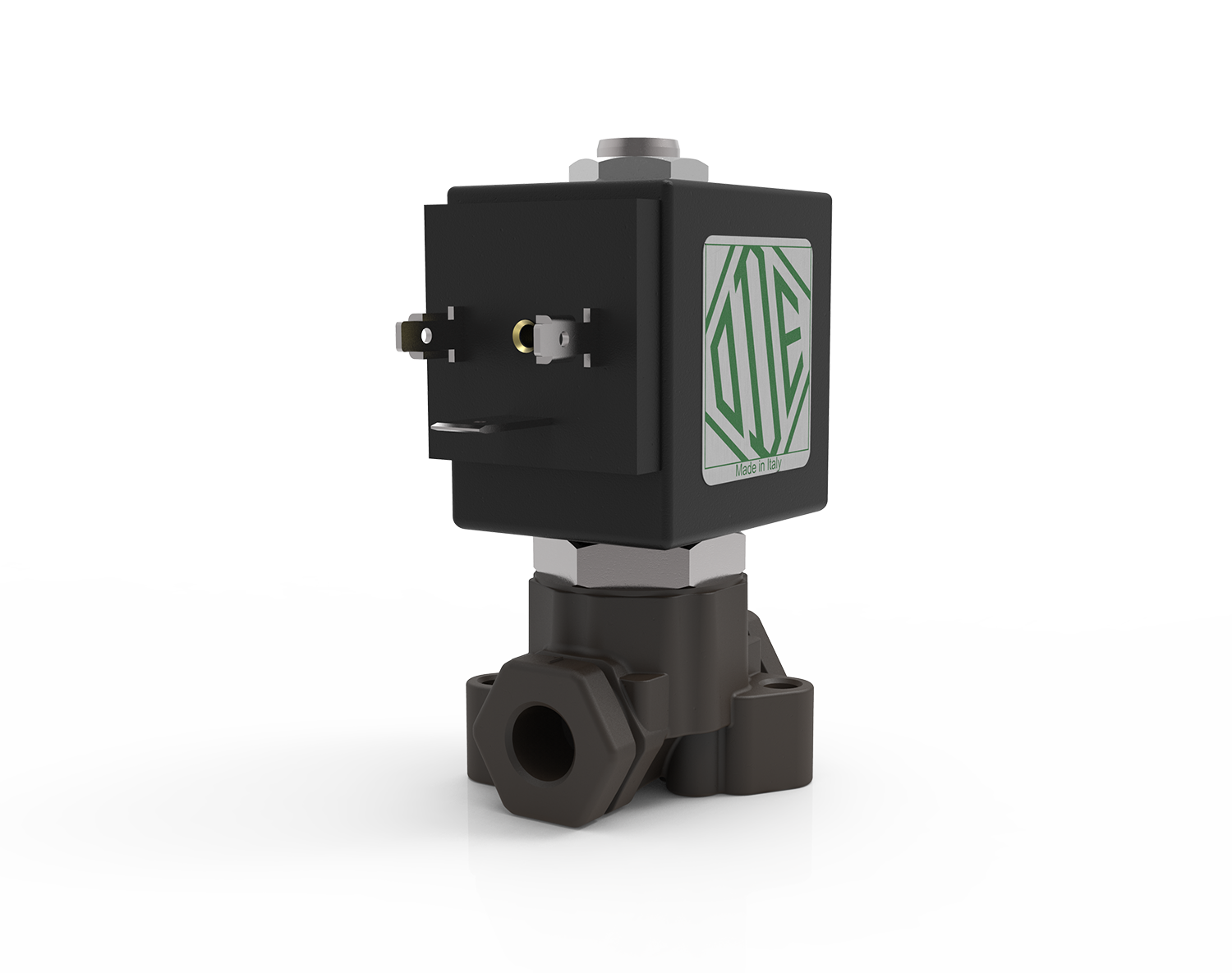
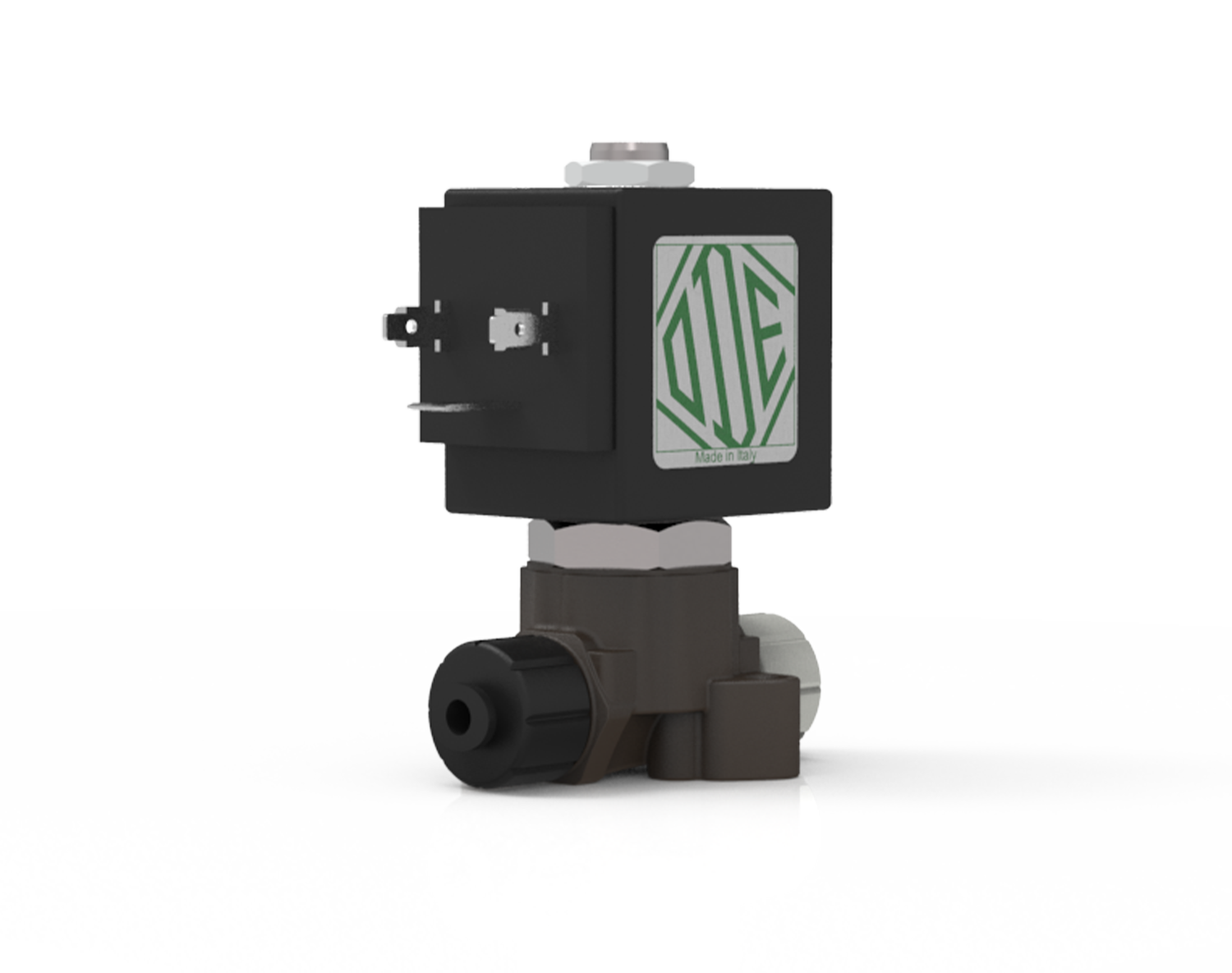
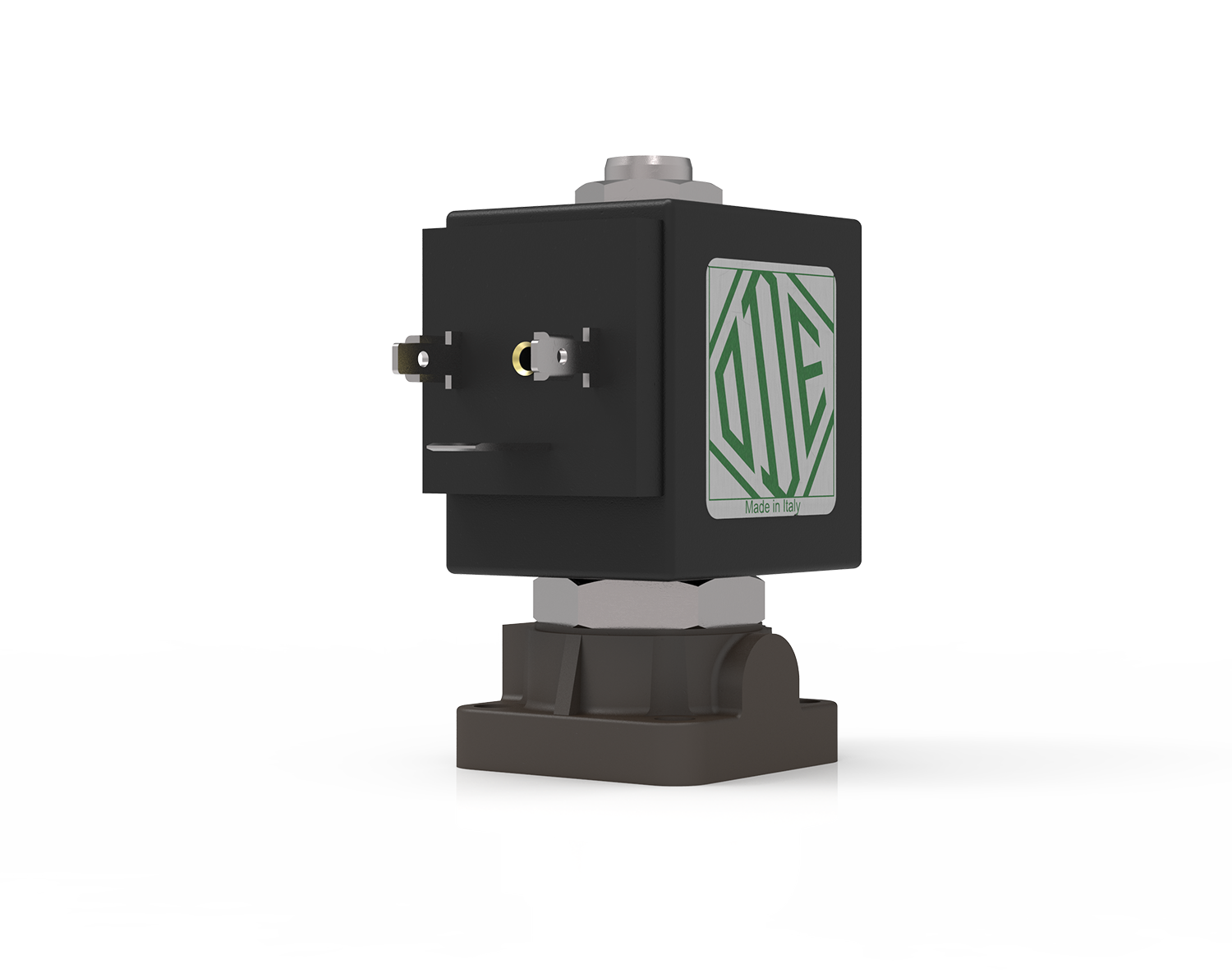
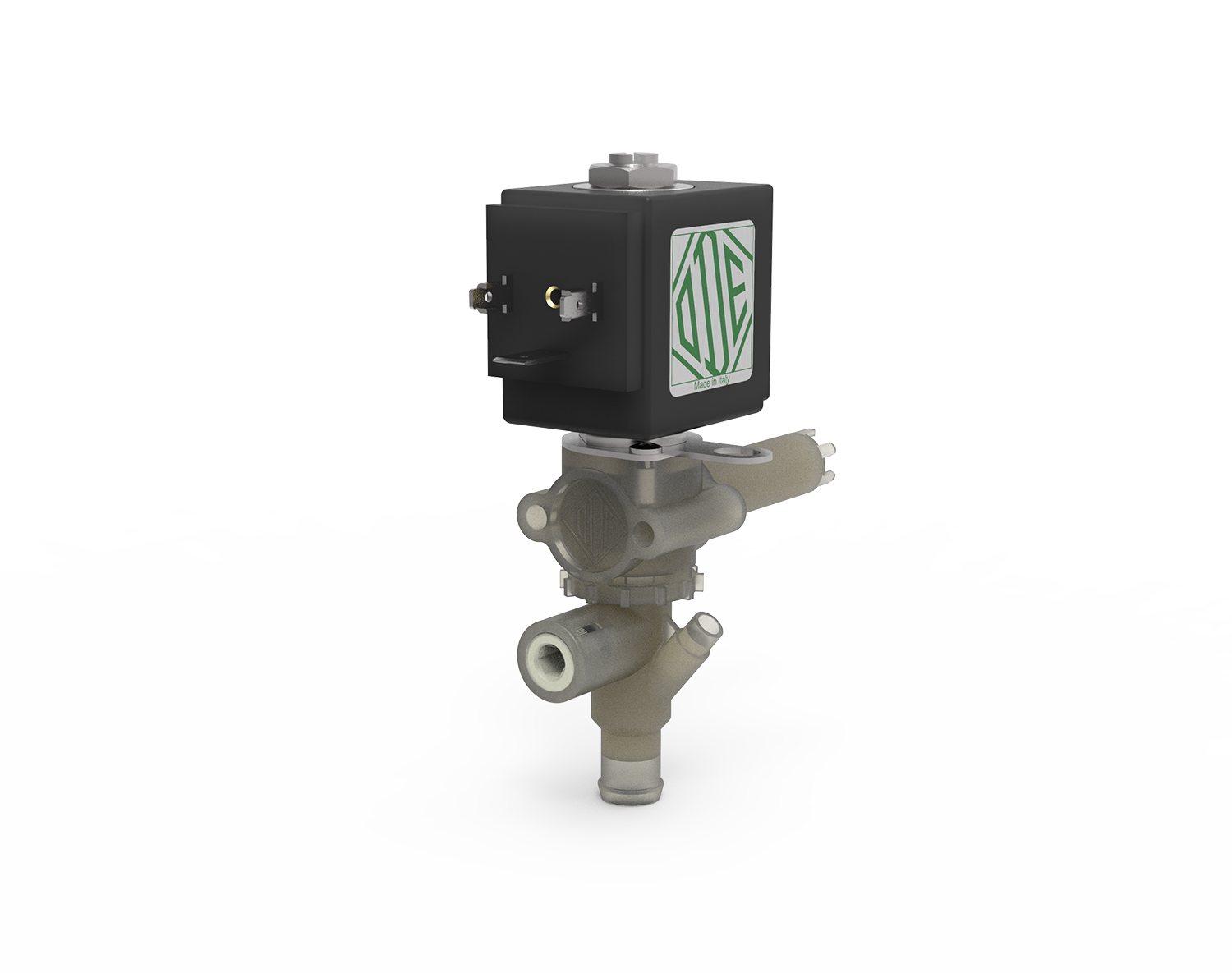
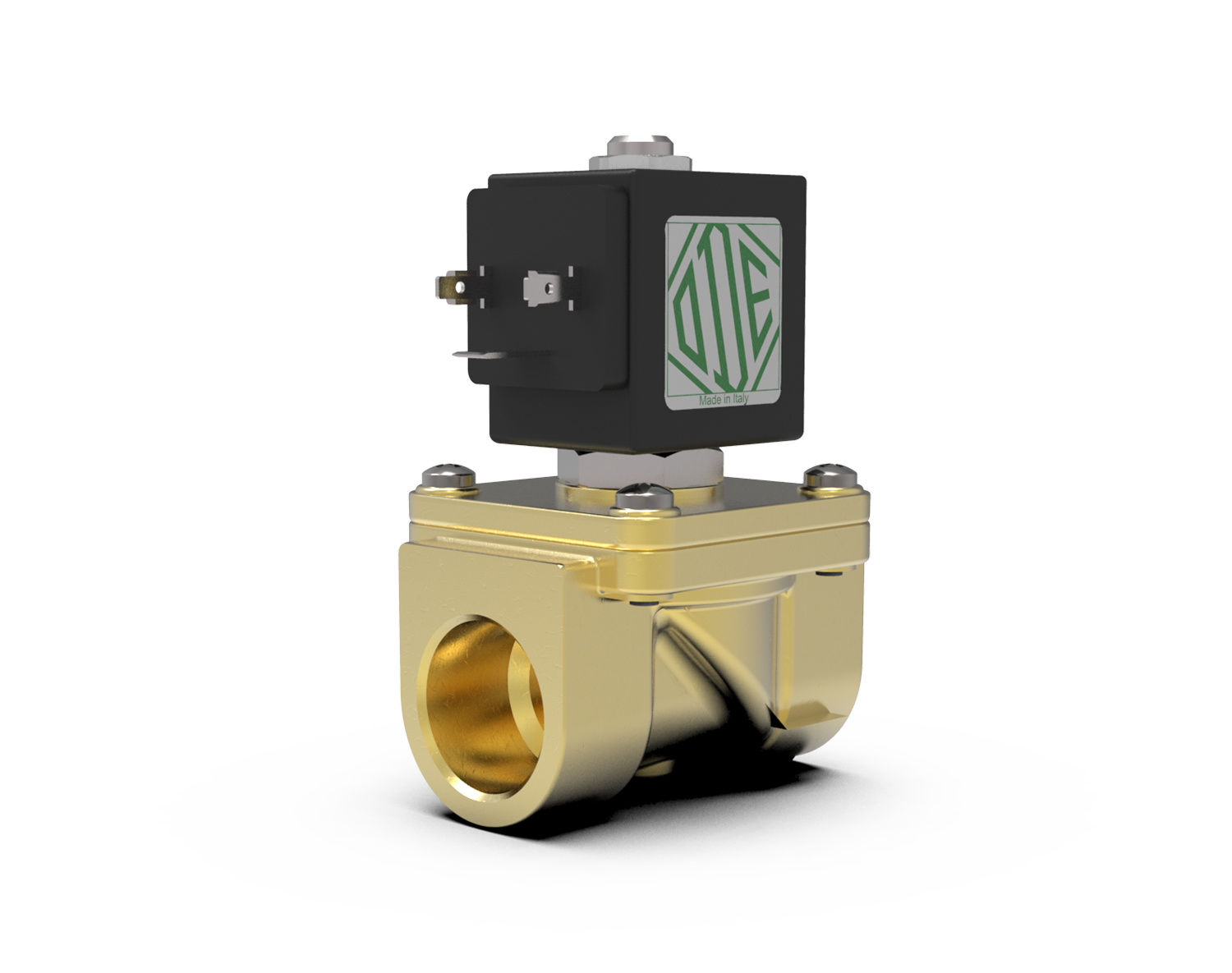
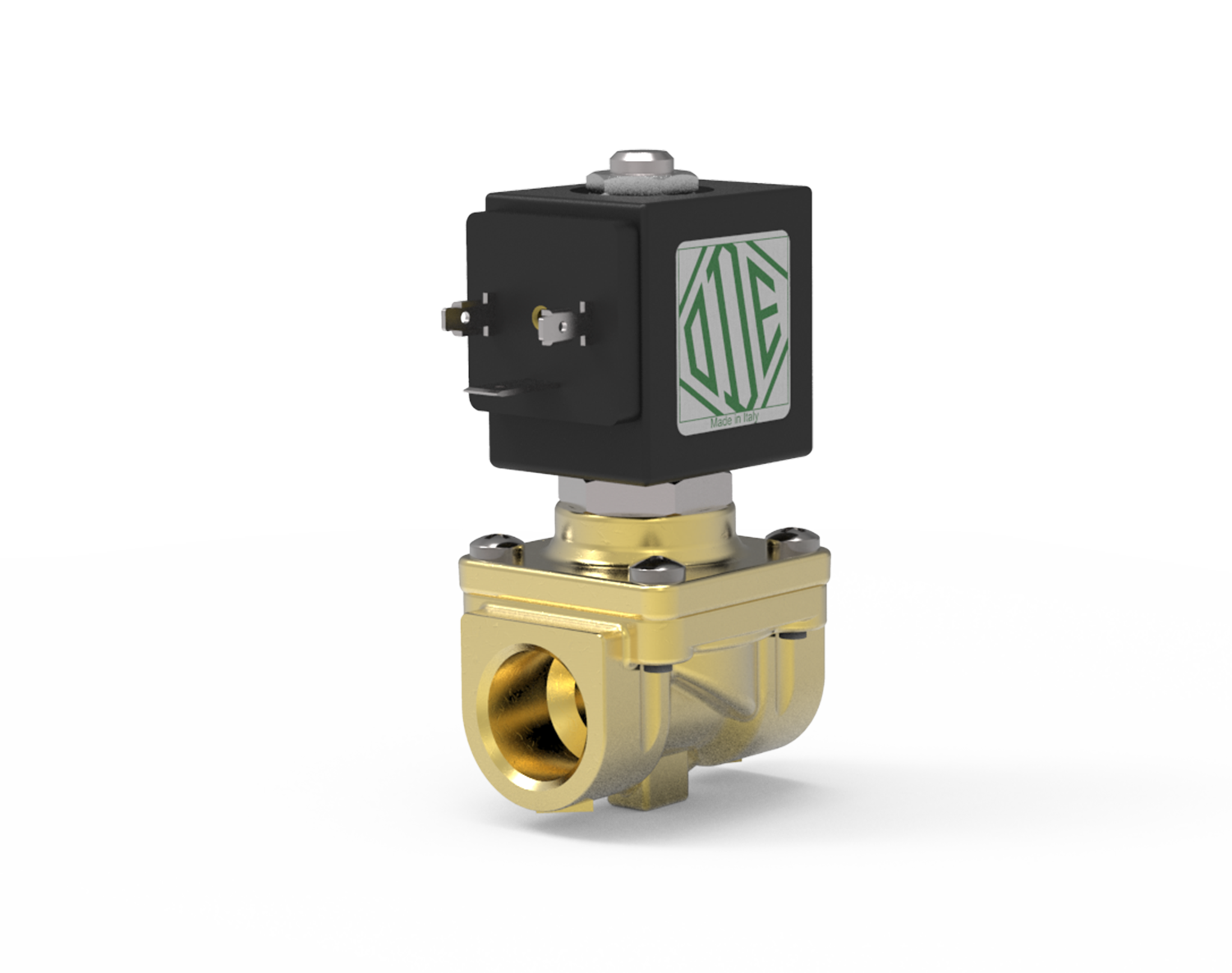
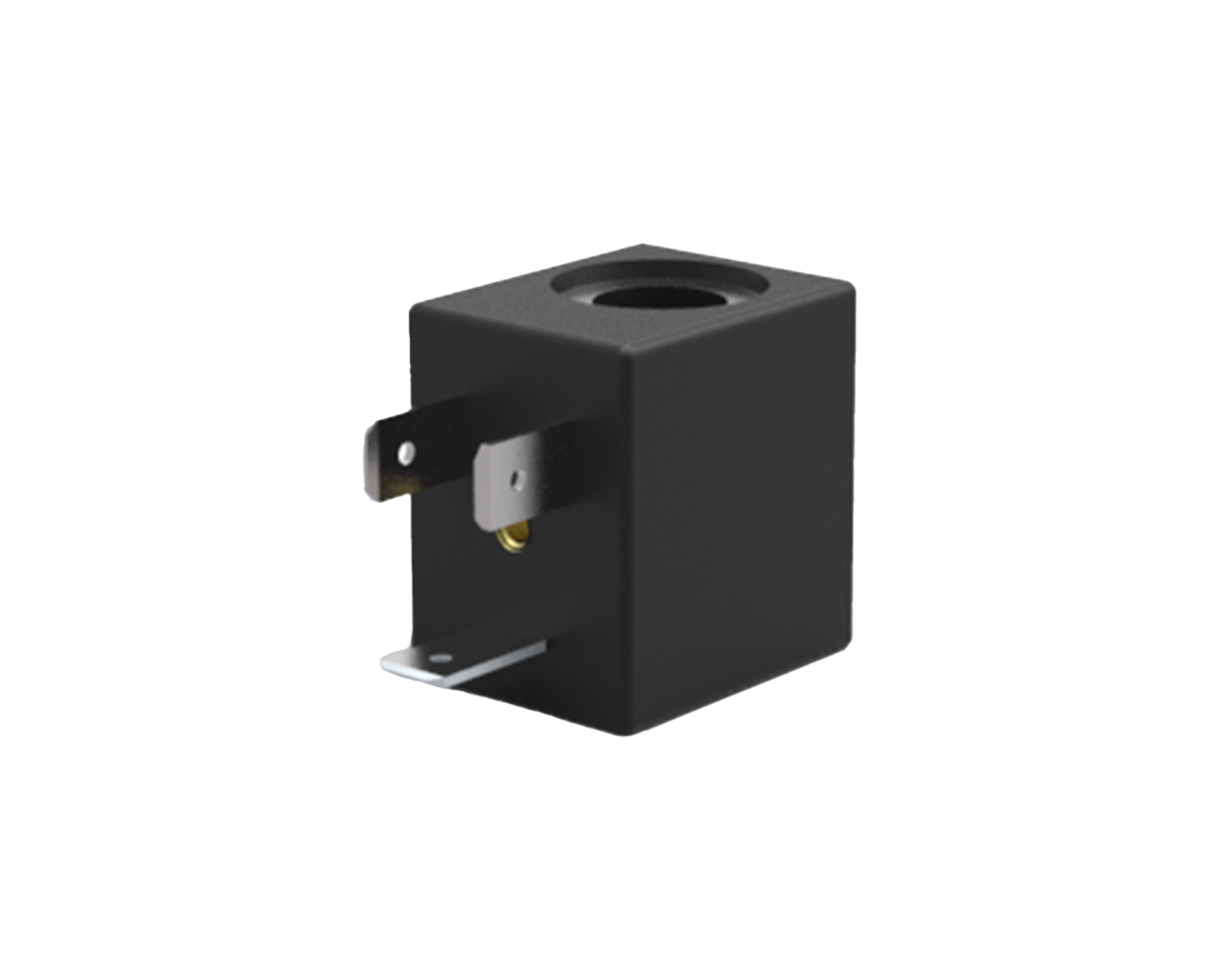
Industrial automation valve _
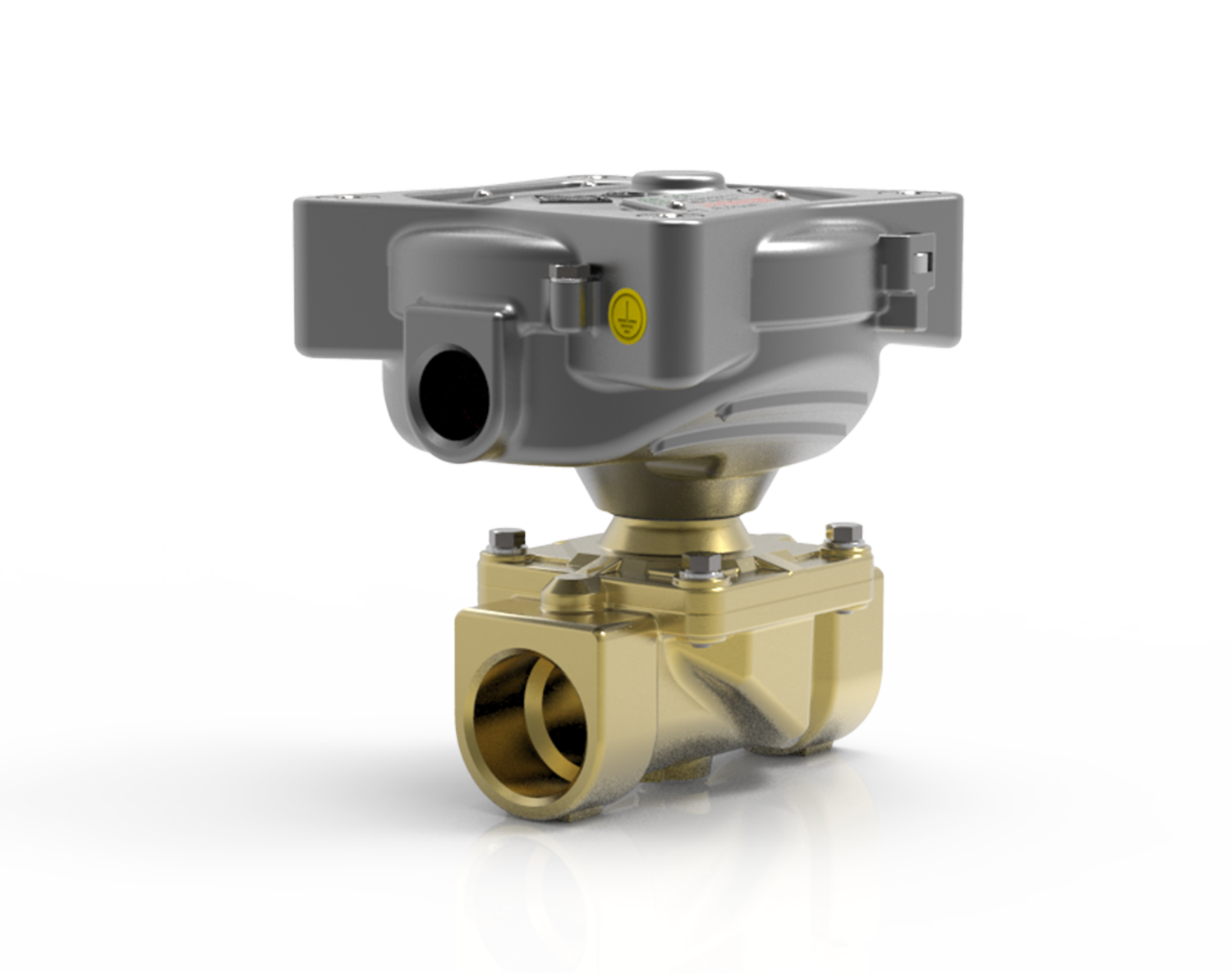
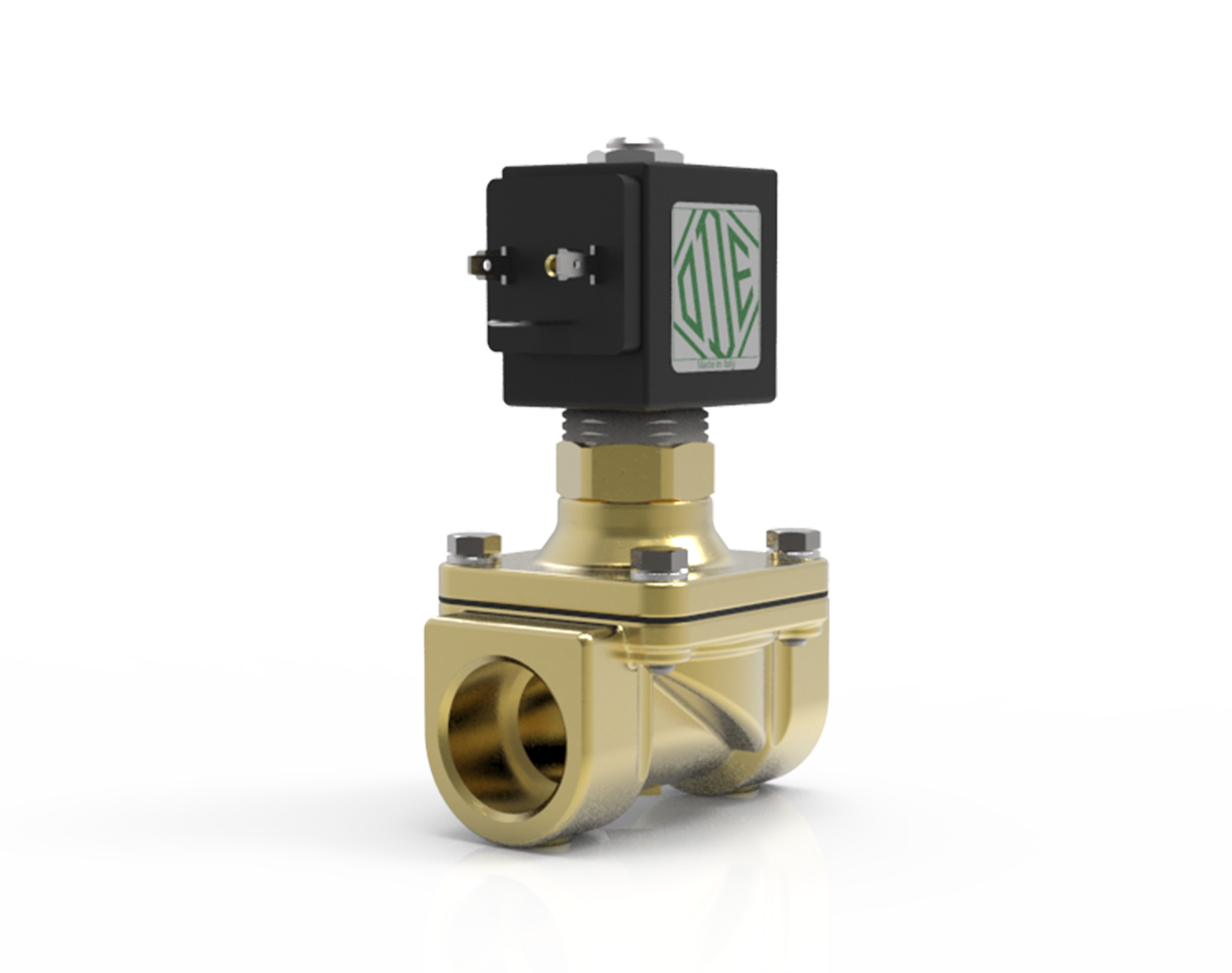
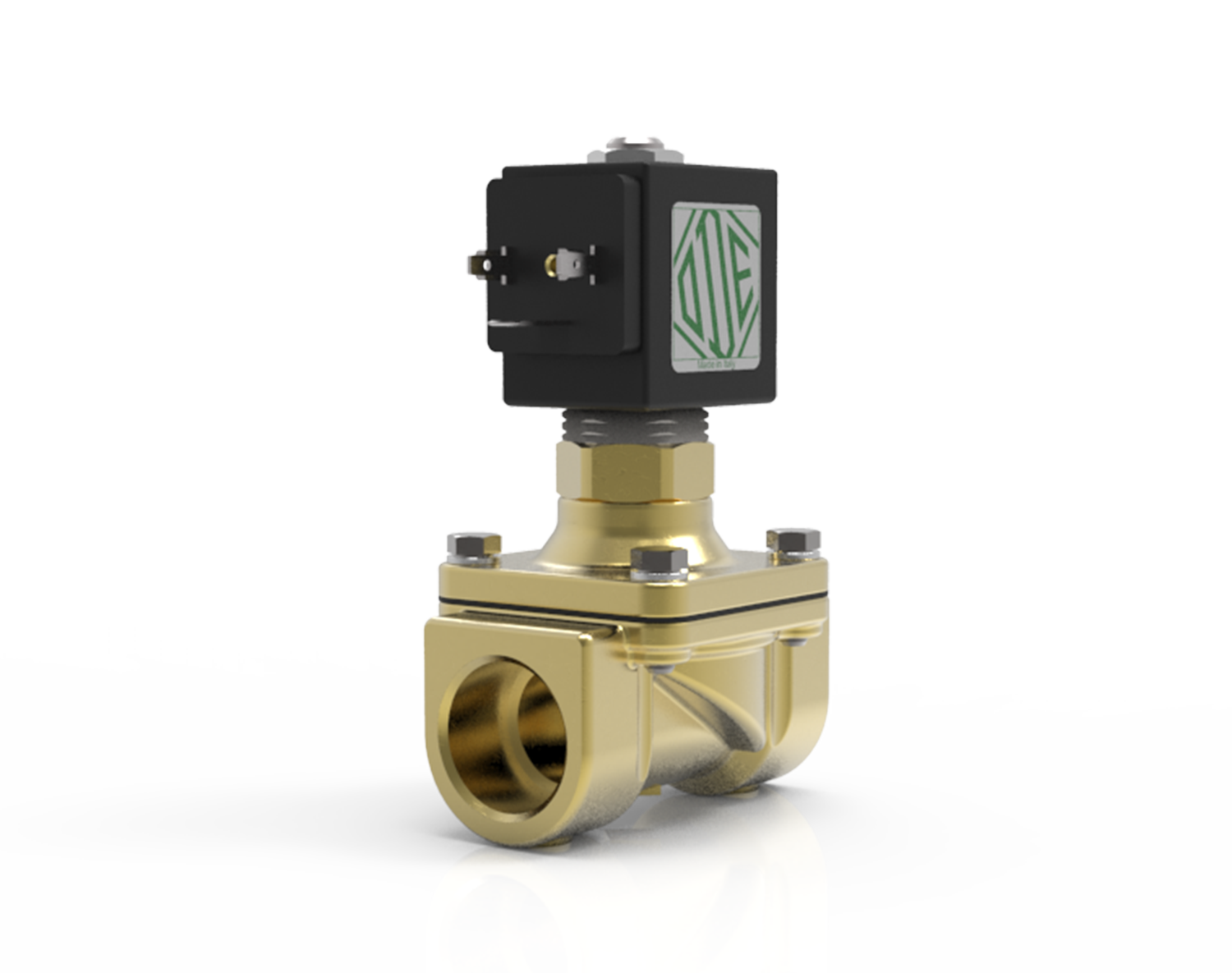
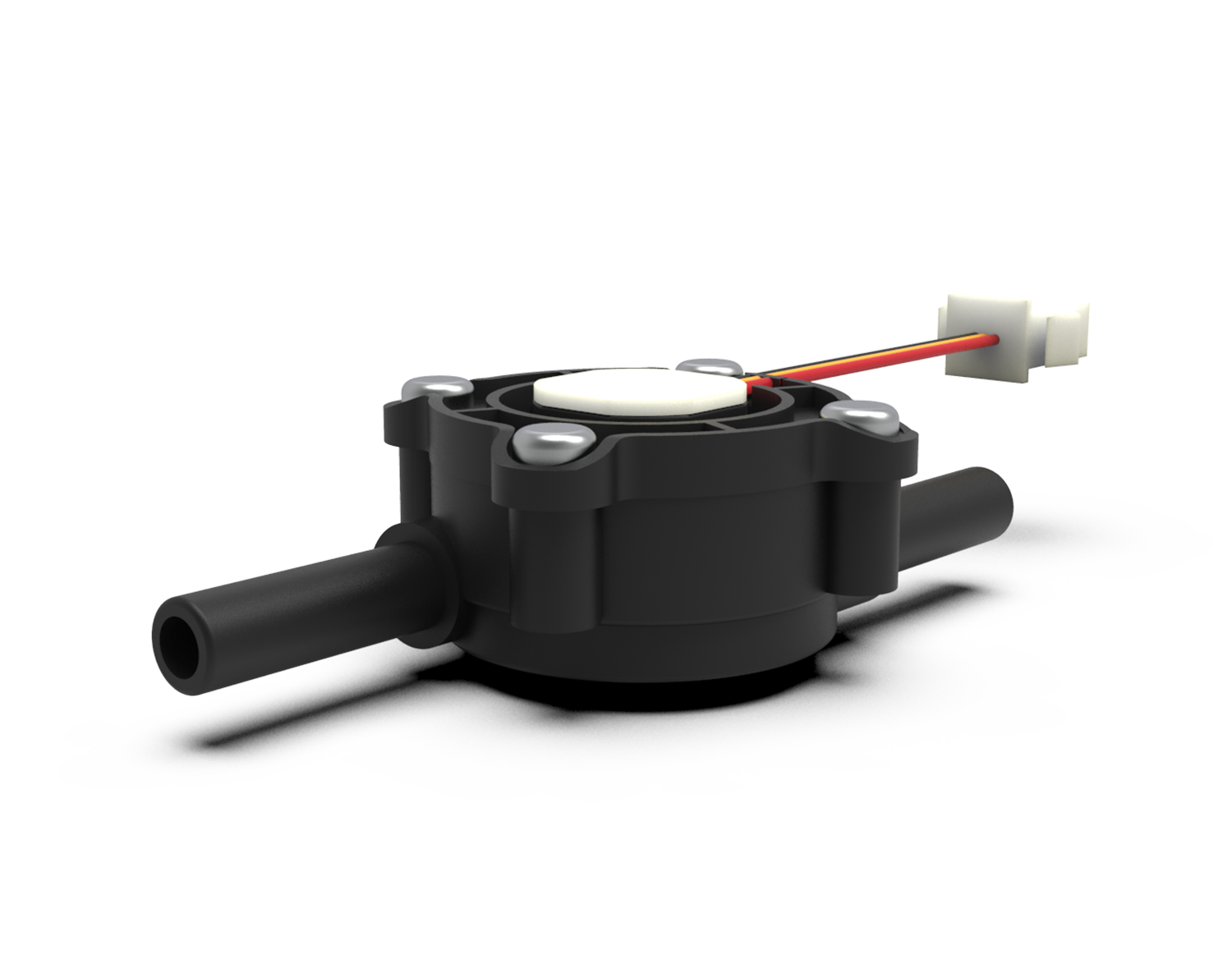
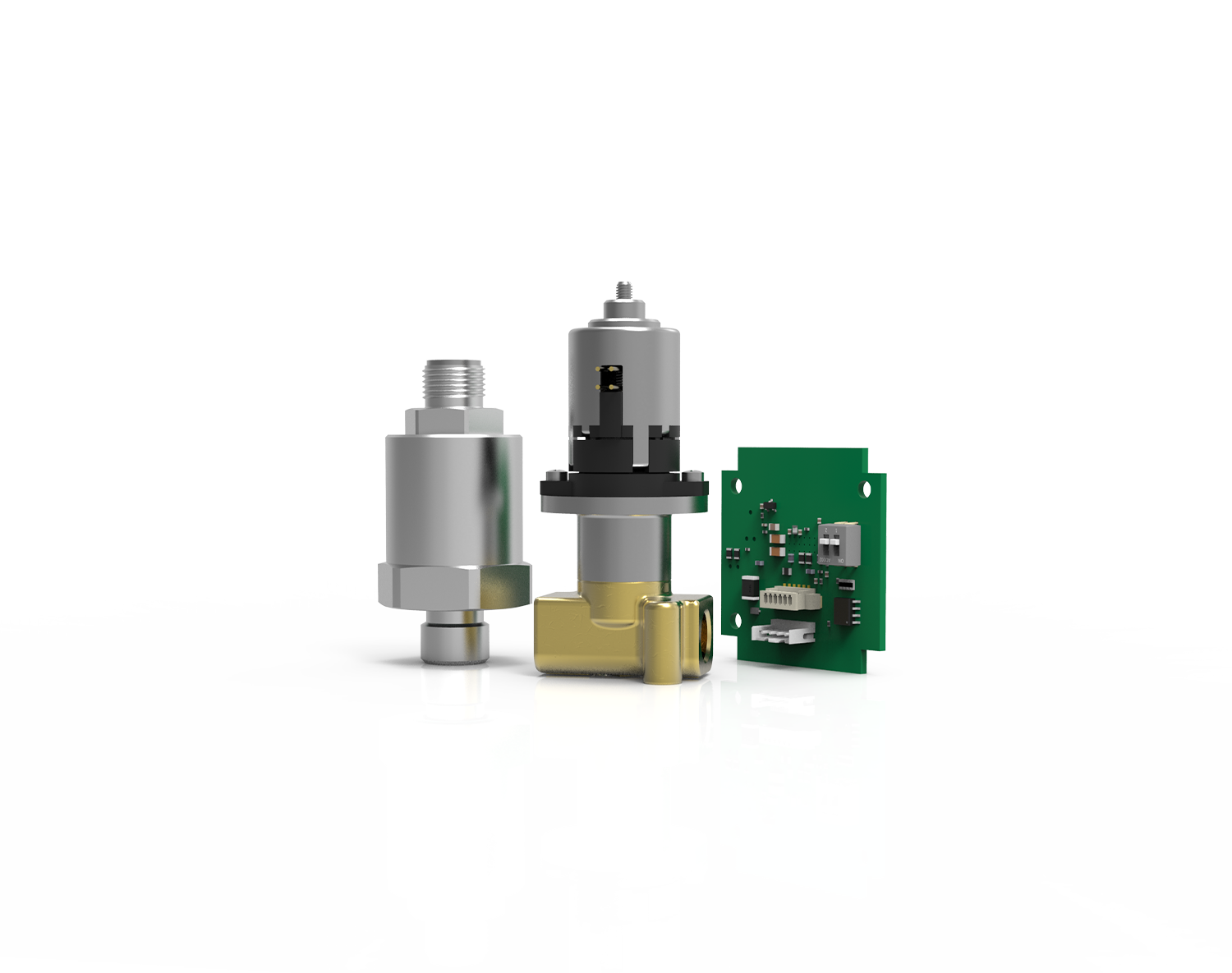
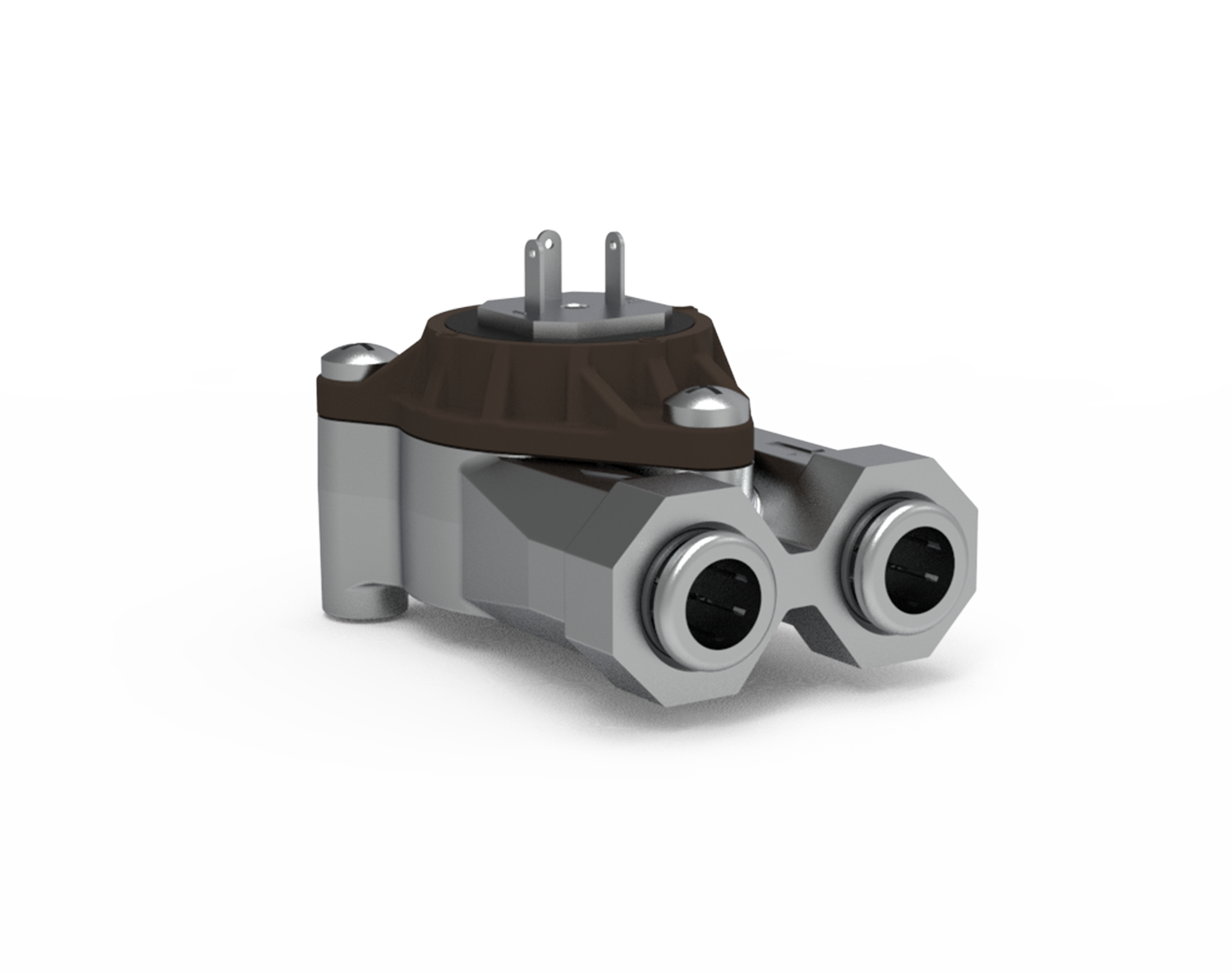
Industrial automation valves are key components that accurately regulate the flow of fluids and gases in automated systems, ensuring optimal performance, safety and maximum efficiency. Designed to withstand challenging operating conditions, these valves are critical in multiple industry sectors.
Industrial automation valve operation
Industrial automation valves are electromechanical or pneumatic devices that precisely manage the passage of fluids or gases through automated circuits.
- Circuit opening: the valve allows controlled opening, allowing the fluid to flow into the system according to established parameters.
- Circuit closing: interrupts the flow promptly, avoiding leaks and maintaining stable operating conditions.
- Flow modulation: gradually adjusts the fluid flow to adapt to specific process needs, ensuring efficiency and safety.
-
Different configurations of industrial automation valves meet specific needs:
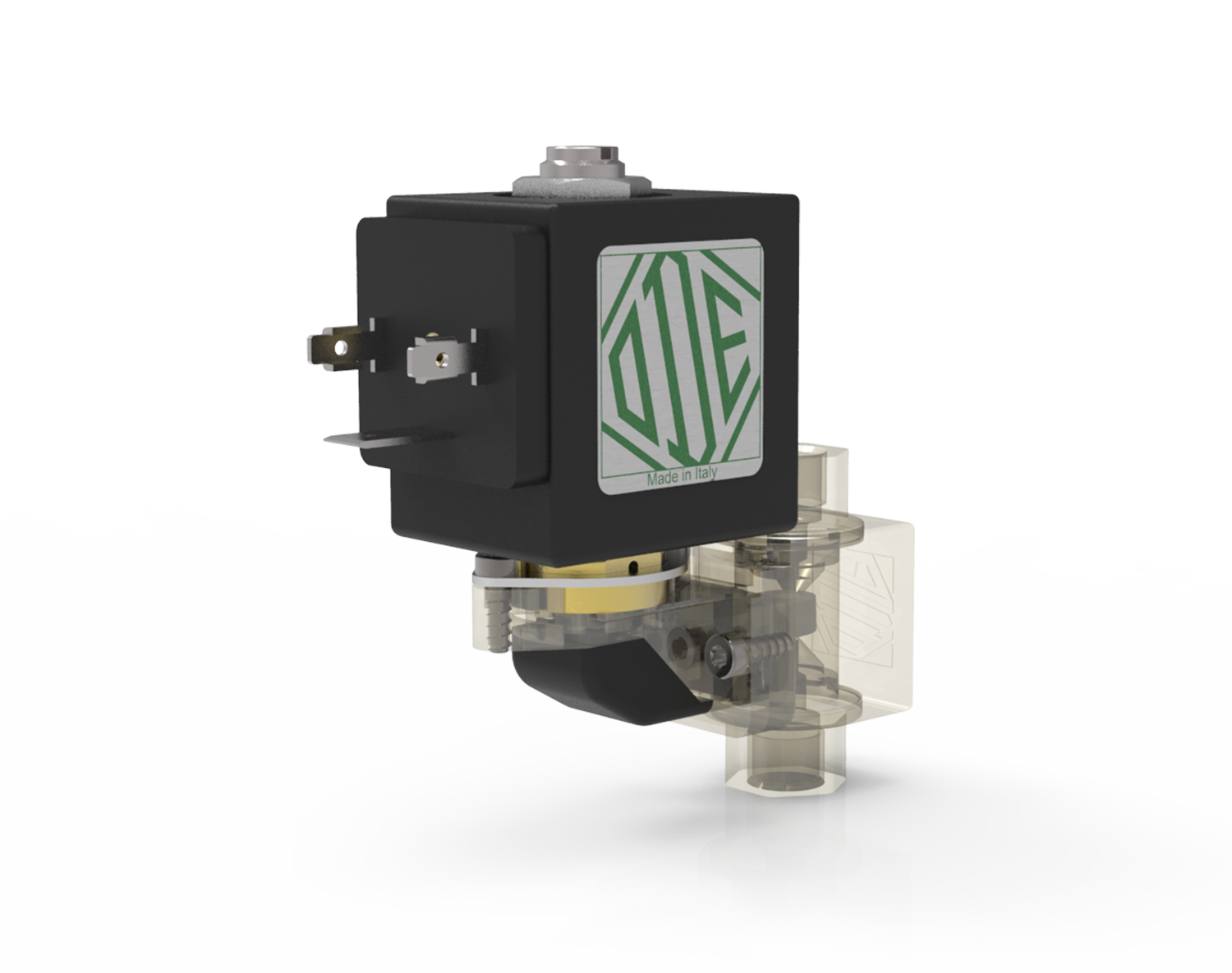
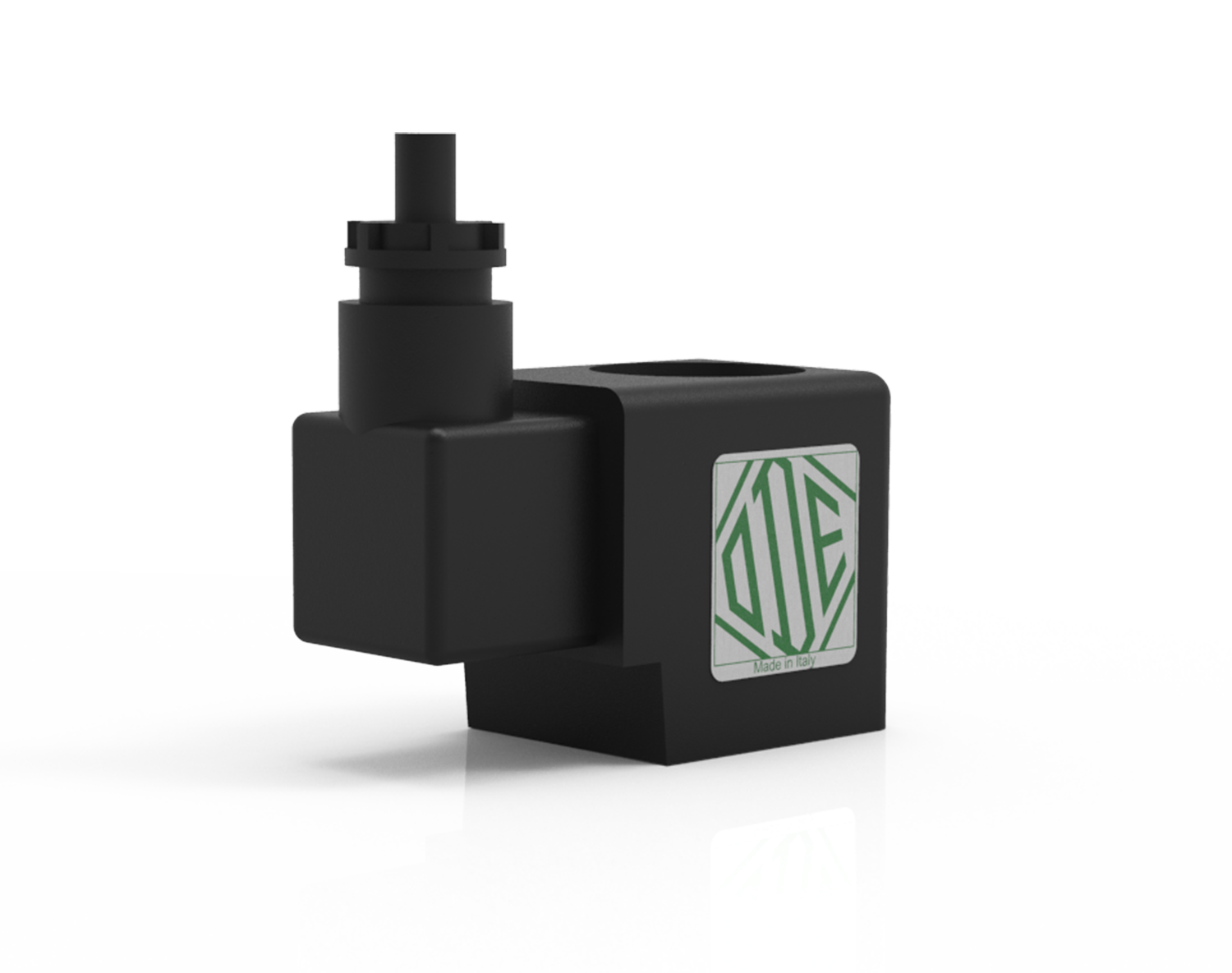
- Electromagnetic valves (Solenoid valves): fast and precise, ideal for remote and automated control systems.
- Proportional valves: progressively regulate the flow, suitable for applications where accurate fluid management is required.
- Pneumatic valves: use compressed air for quick and reliable operations, often used in highly automated production environments.
- Safety valves: essential to protecting industrial plants from overpressures and ensure safe operations.
Our Industrial automation valves
Industrial automation valve operation
Circuit opening:
the valve allows controlled opening, allowing the fluid to flow into the system according to established parameters.
Circuit closing:
interrupts the flow promptly, avoiding leaks and maintaining stable operating conditions.
Flow modulation:
gradually adjusts the fluid flow to adapt to specific process needs, ensuring efficiency and safety.
Types of industrial automation valves
Electromagnetic valves (Solenoid valves):
fast and precise, ideal for remote and automated control systems.
Proportional valves:
progressively regulate the flow, suitable for applications where accurate fluid management is required.
Pneumatic valves:
use compressed air for quick and reliable operations, often used in highly automated production environments.
Safety valves:
essential to protecting industrial plants from overpressures and ensure safe operations.
Characteristics of ODE industrial automation valves
Robustness and Durability:
made with materials such as brass, stainless steel and technopolymers resistant to high pressures and temperatures.
High operational precision:
ensure fast response times and precise adjustments, optimising process control.
Installation versatility:
available with fittings and connections adaptable to different system configurations.
Certified safety:
compliance with international standards to operate safely even in complex industrial environments.
Industrial automation valve applications
Manufacturing industry:
accurate management of fluids and gases in machine tools and automated production lines.
Chemical and petrochemical sector:
safe and precise control of chemical flows.
Food and pharmaceutical industry:
accurate and hygienic regulation of ingredients and pharmaceuticals.
Industrial HVAC systems:
precise control of temperature and cooling fluids in air conditioning systems.
Water treatment:
flow management in industrial filtration and purification systems.