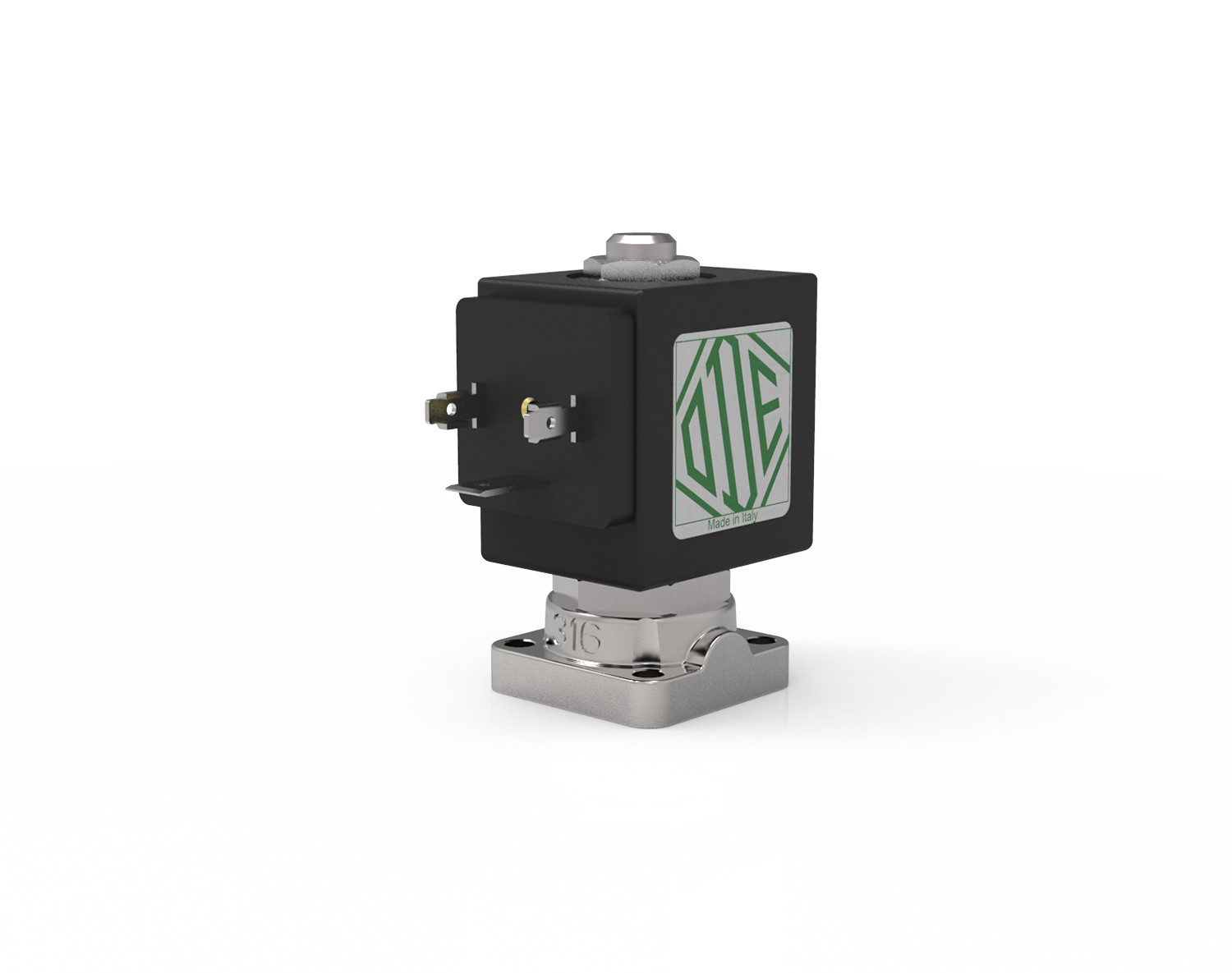
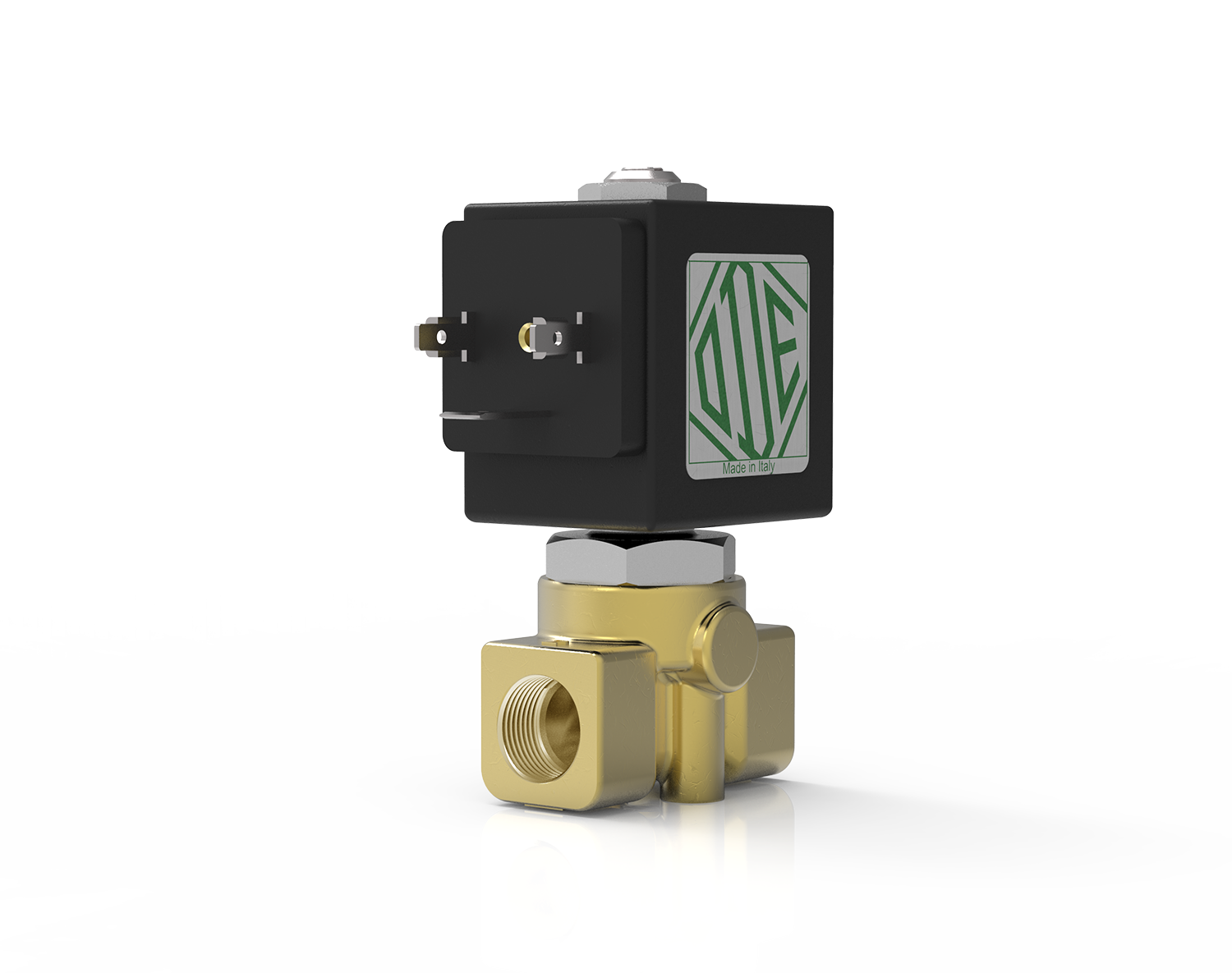
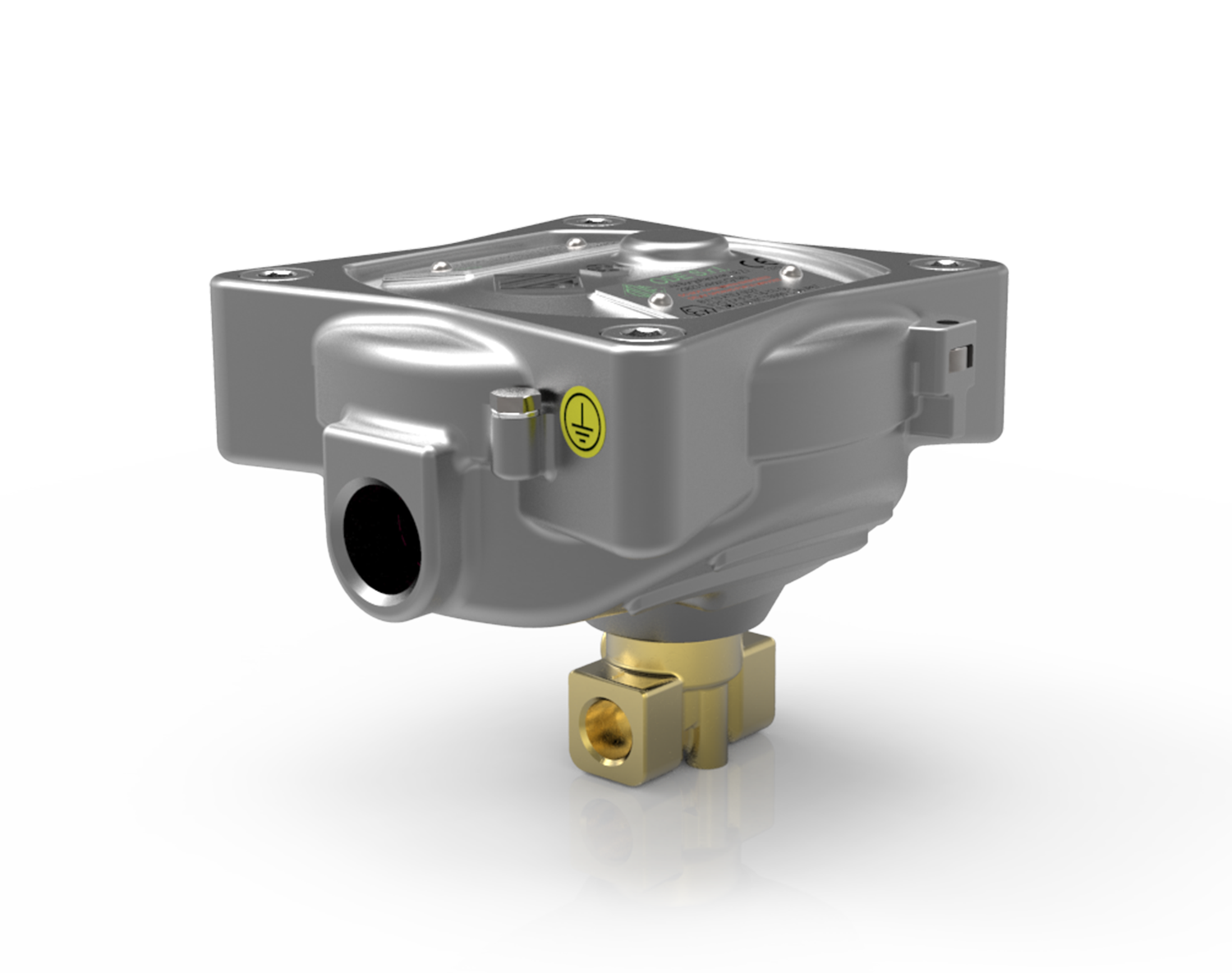
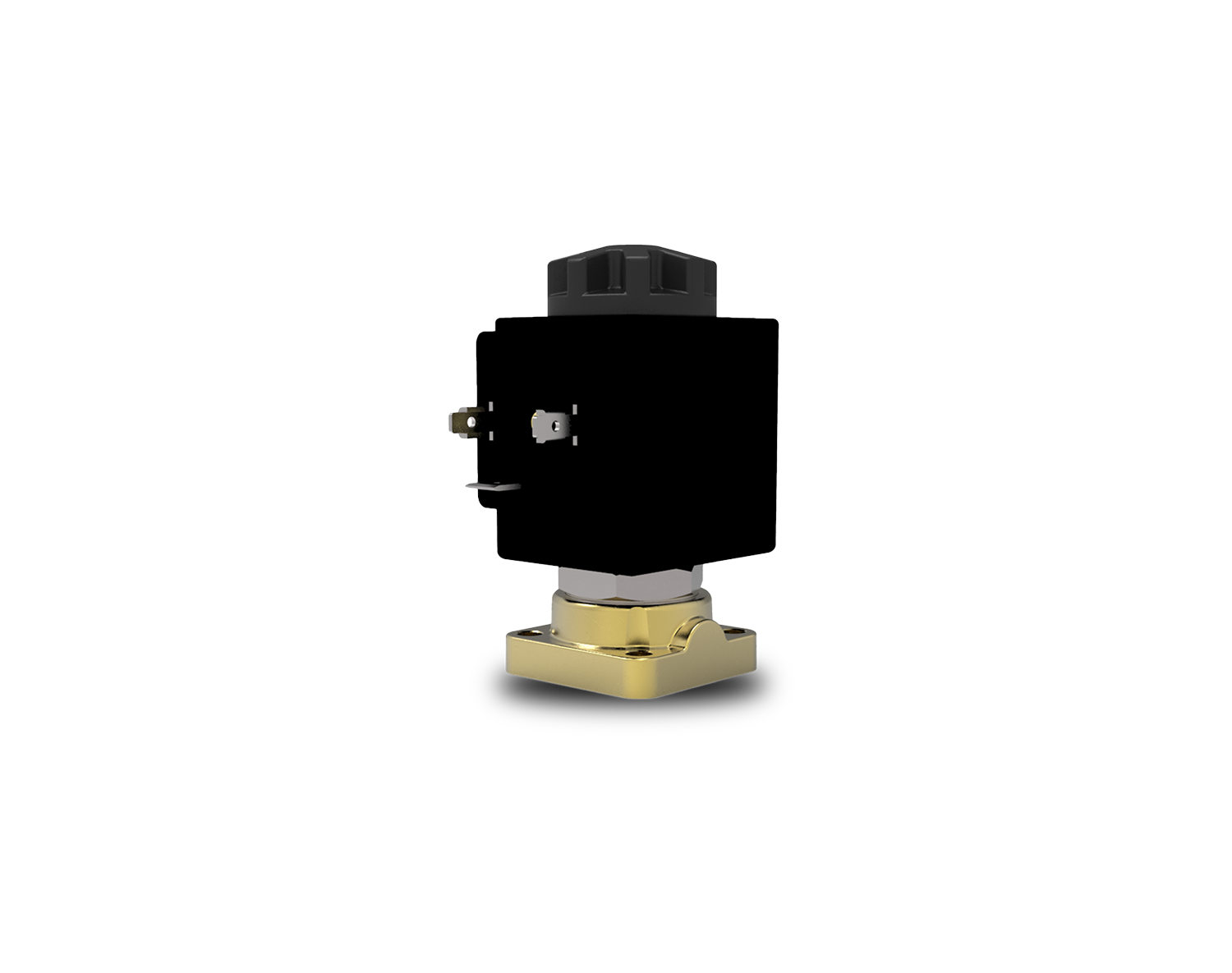
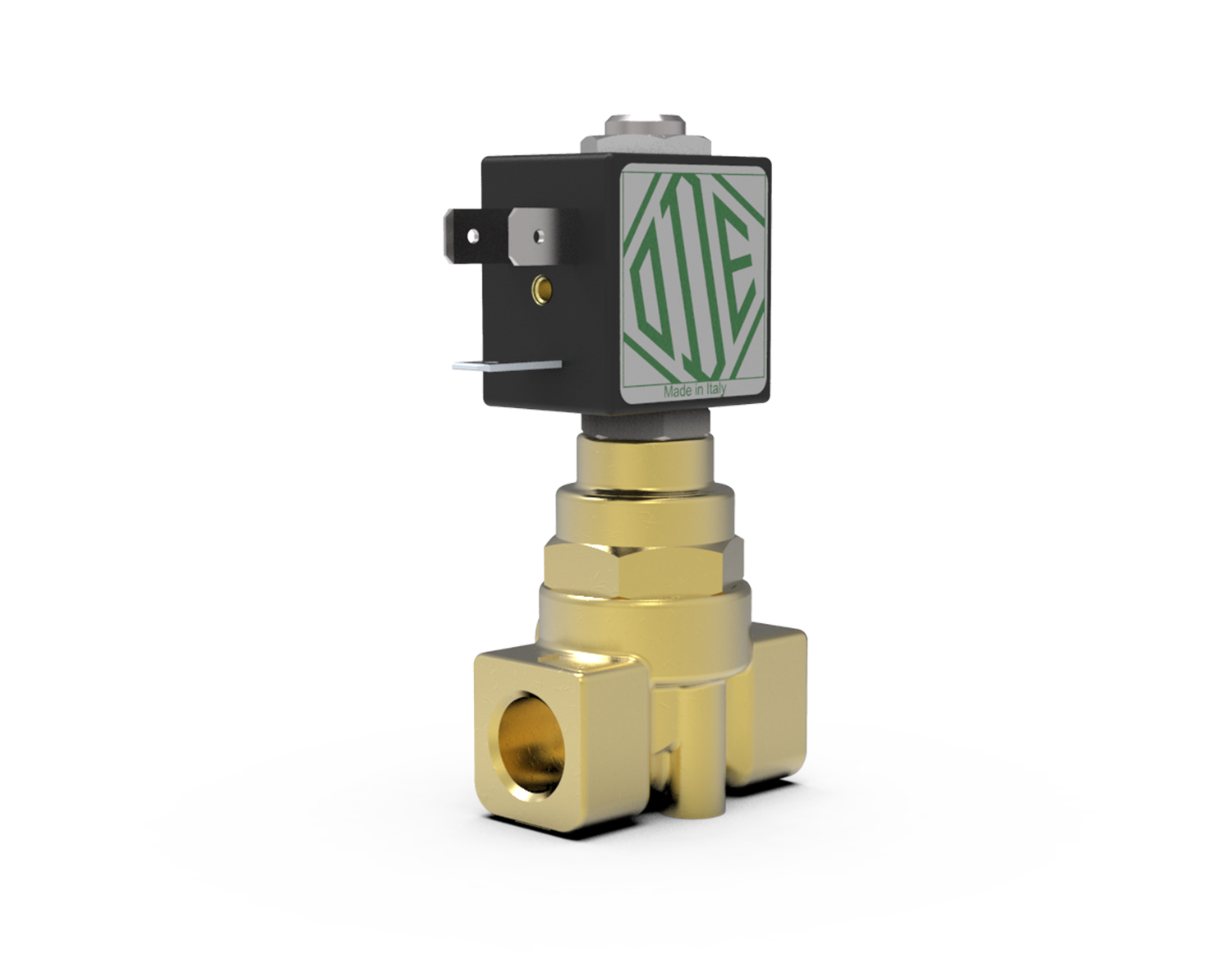
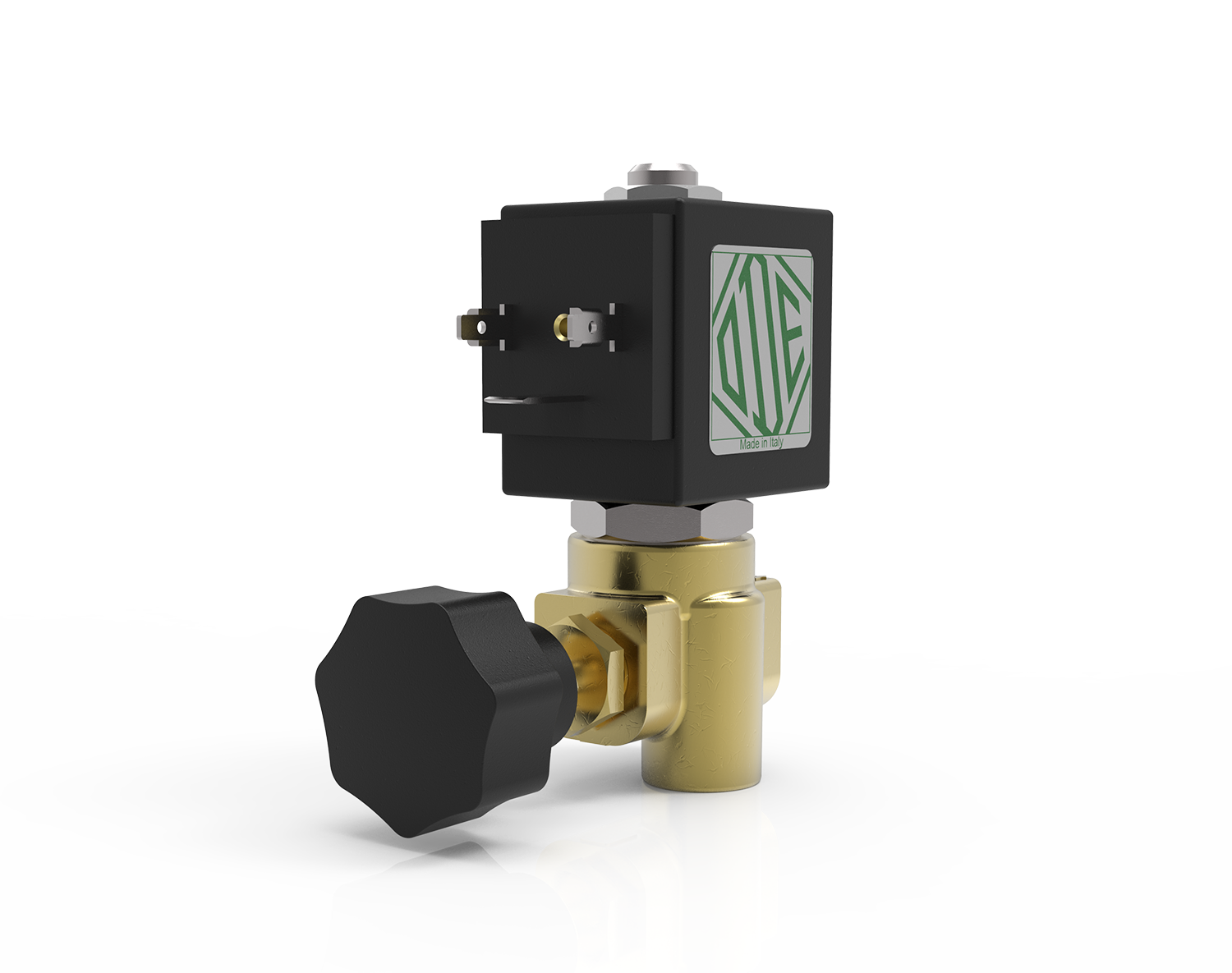
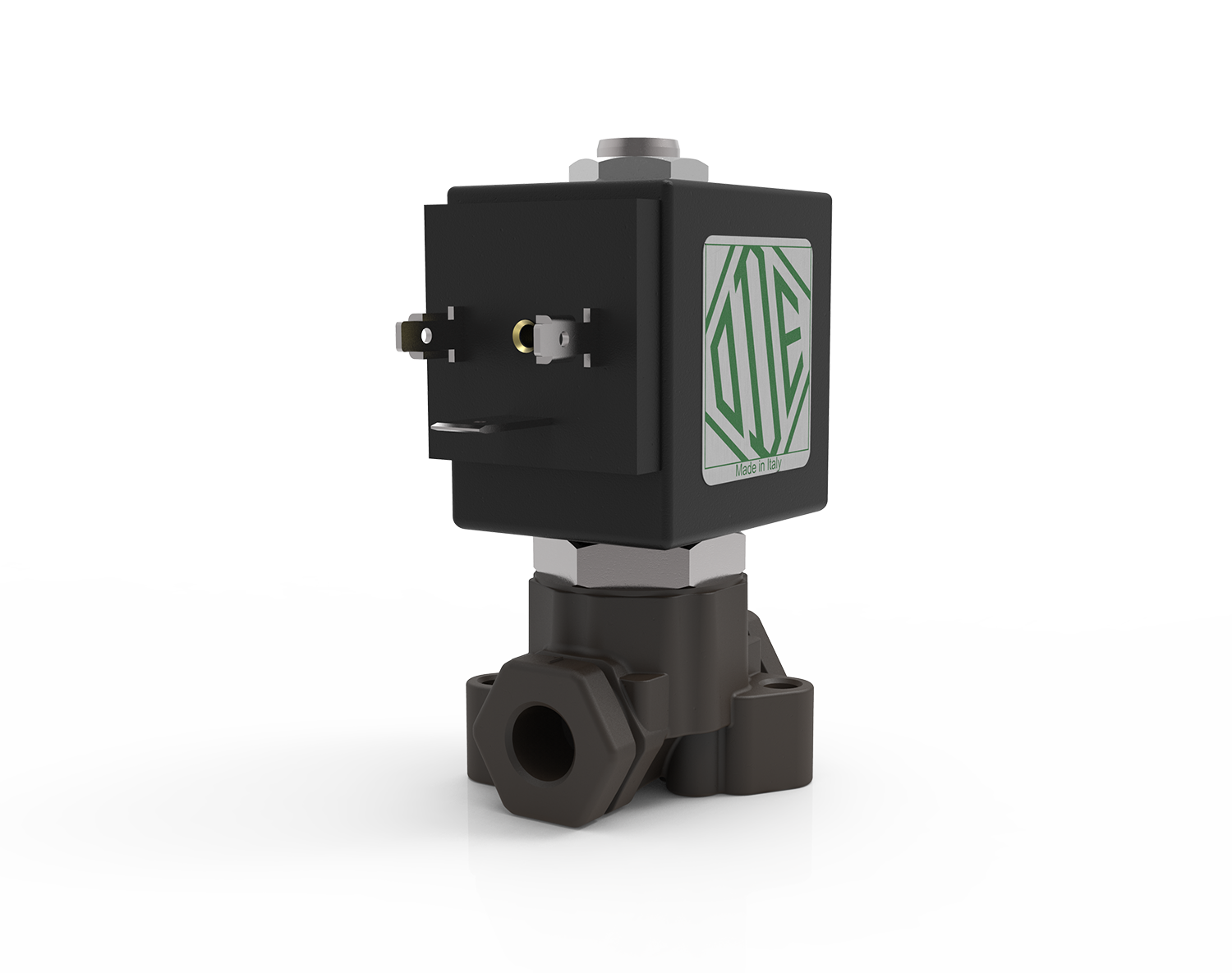
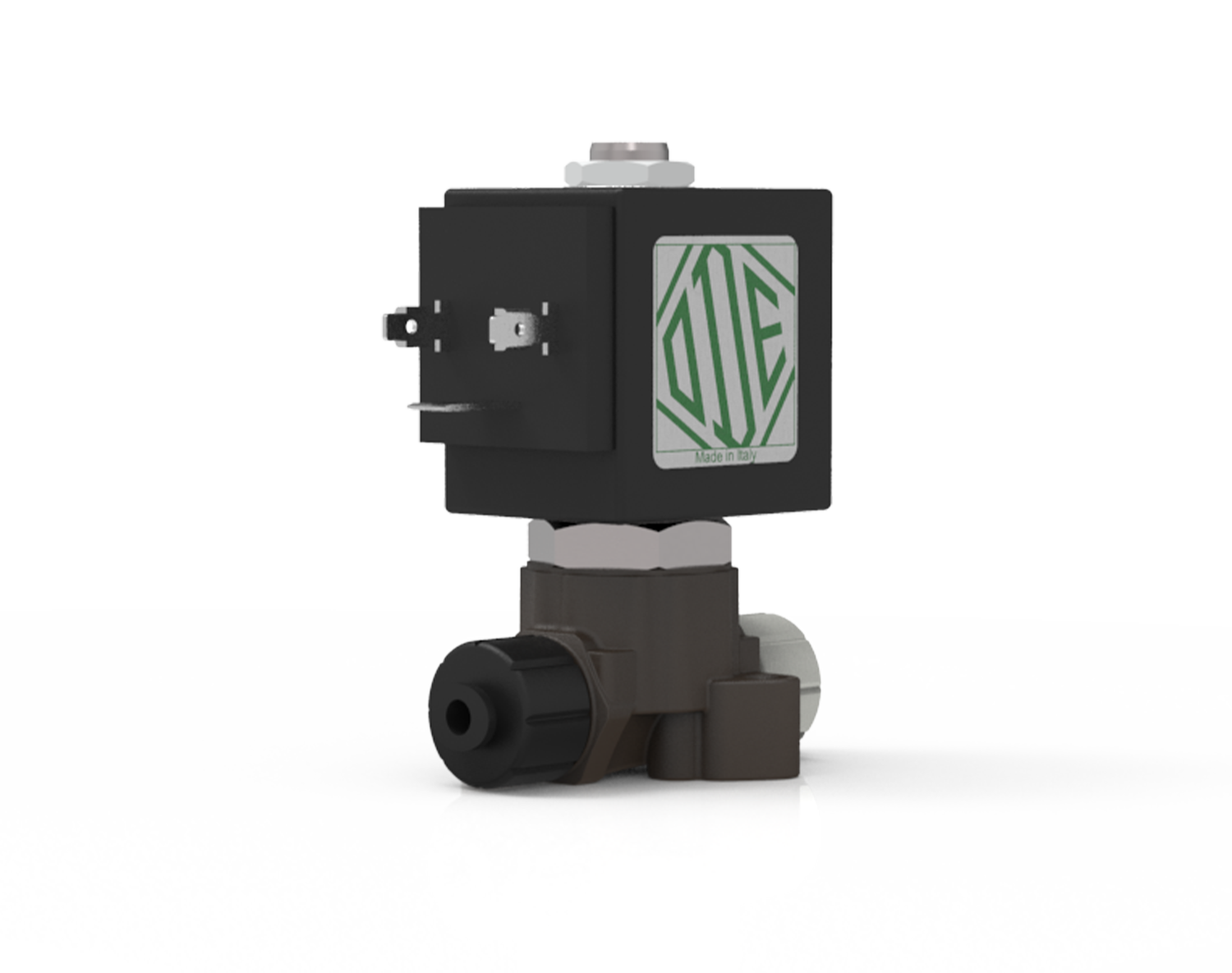
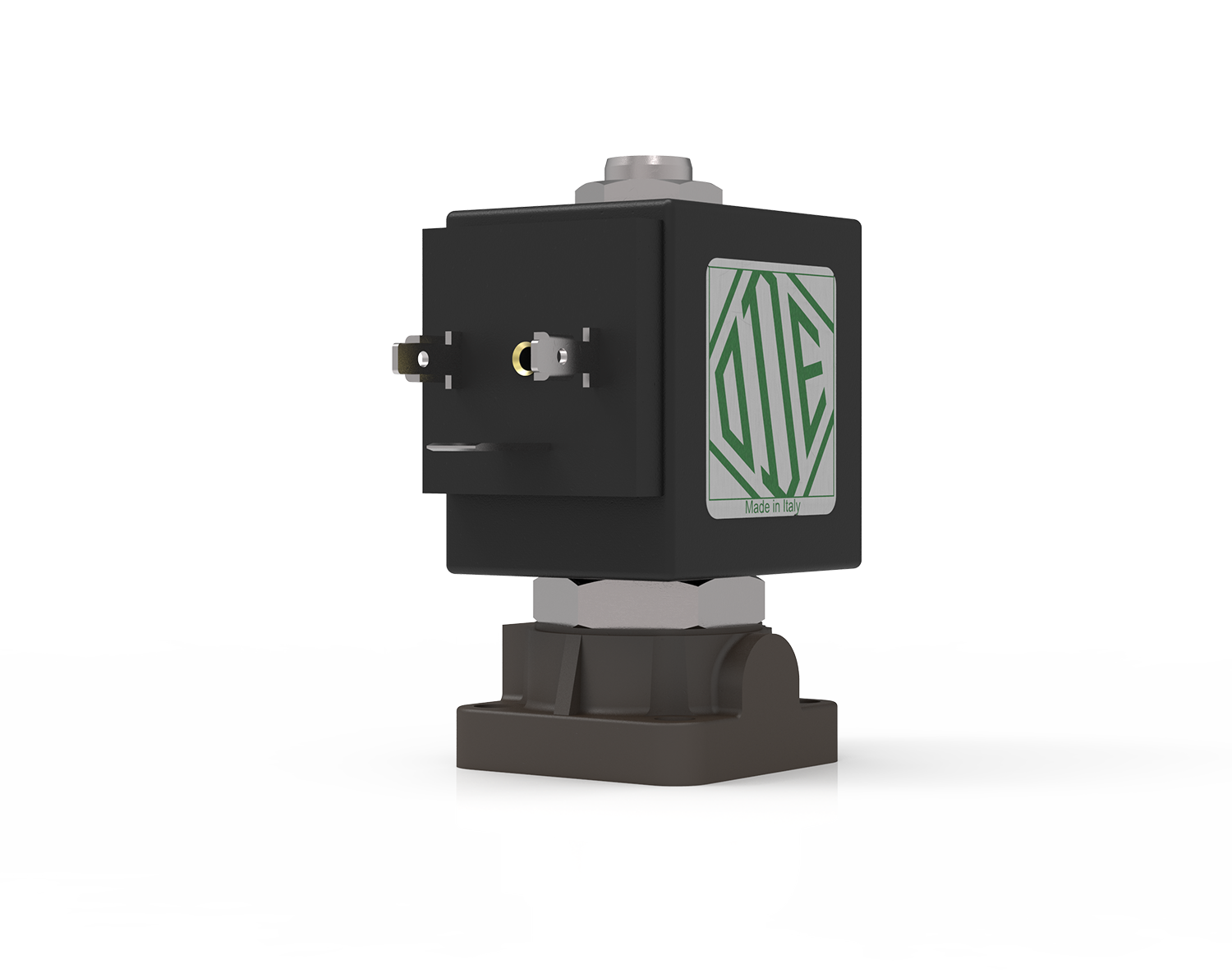
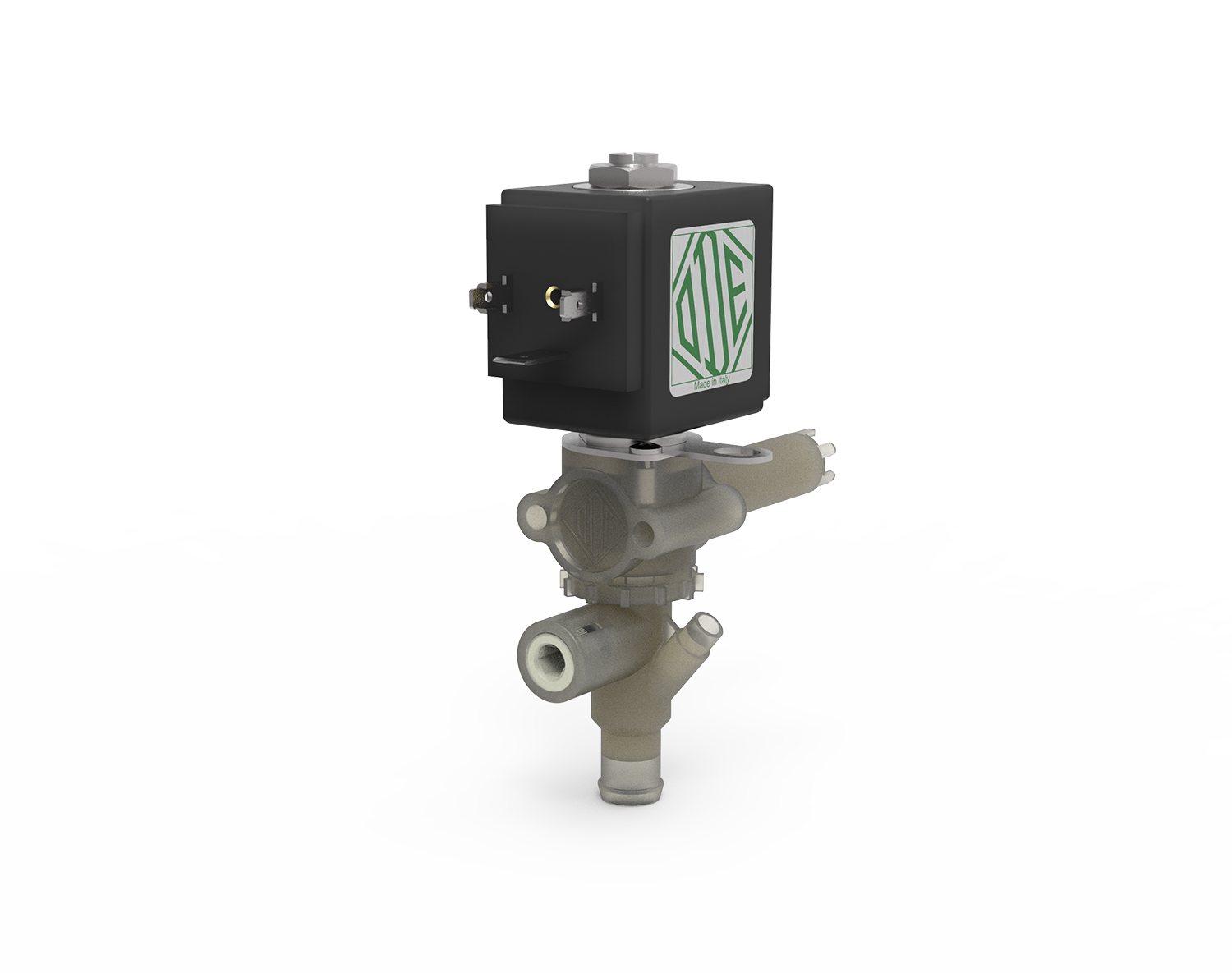
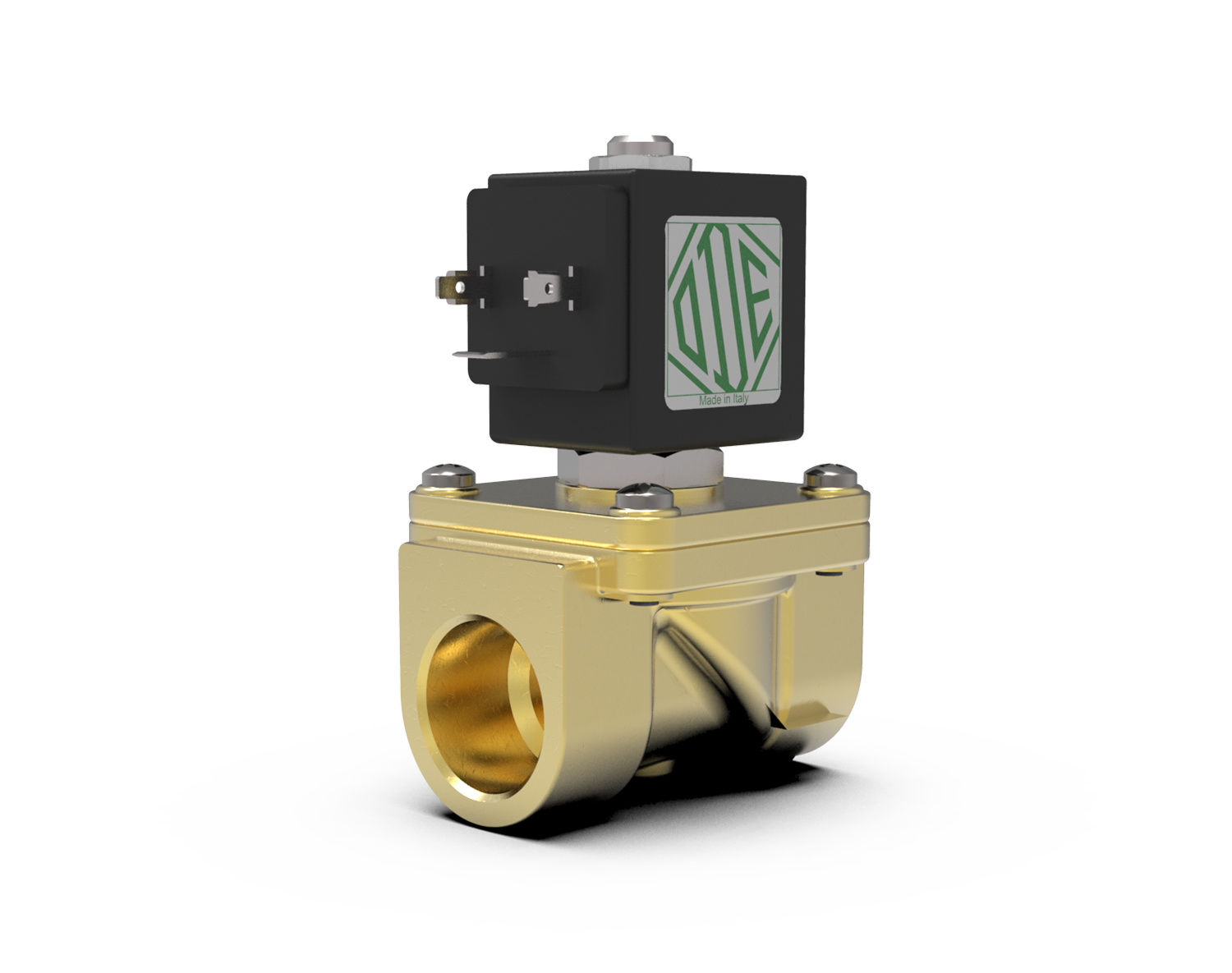
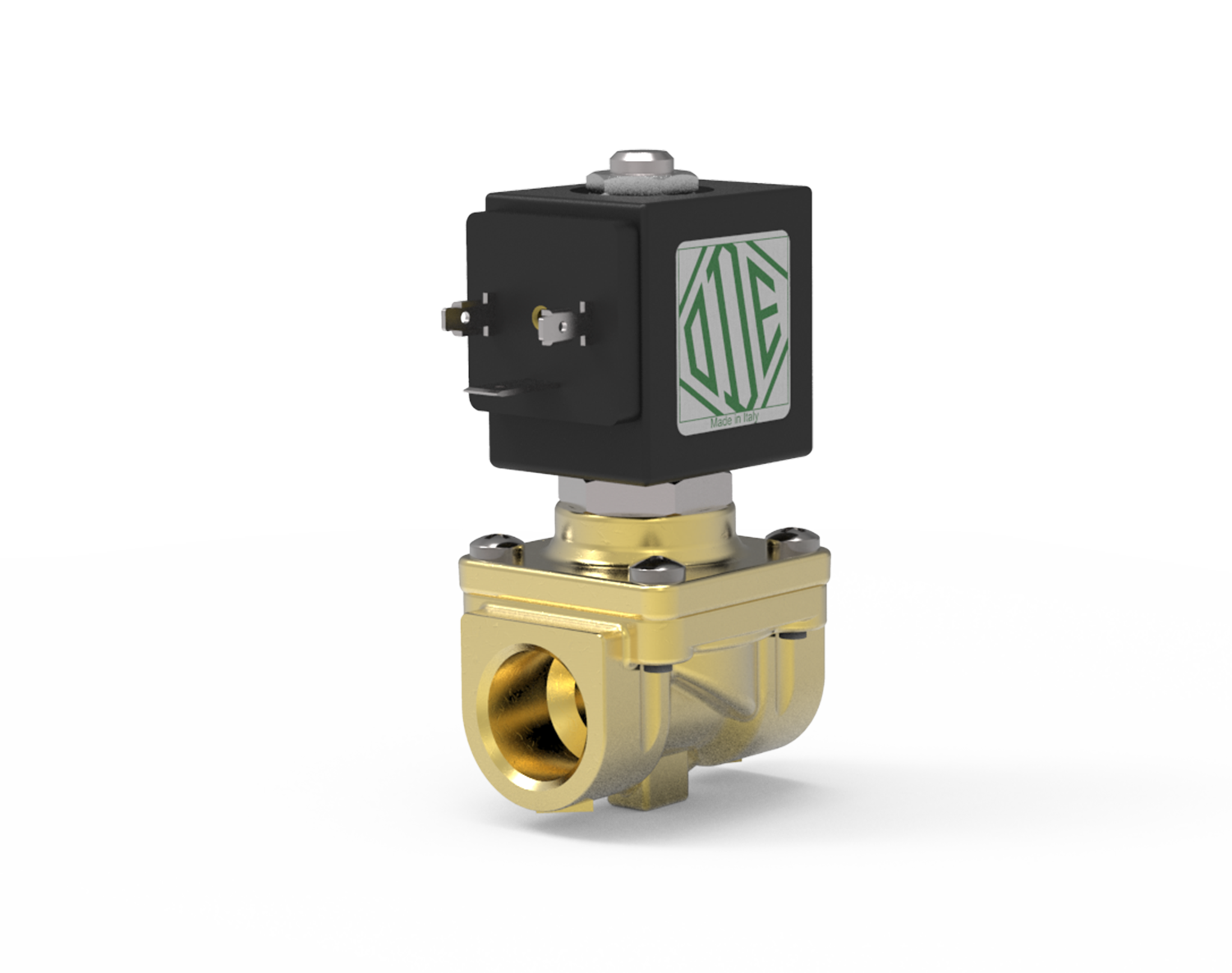
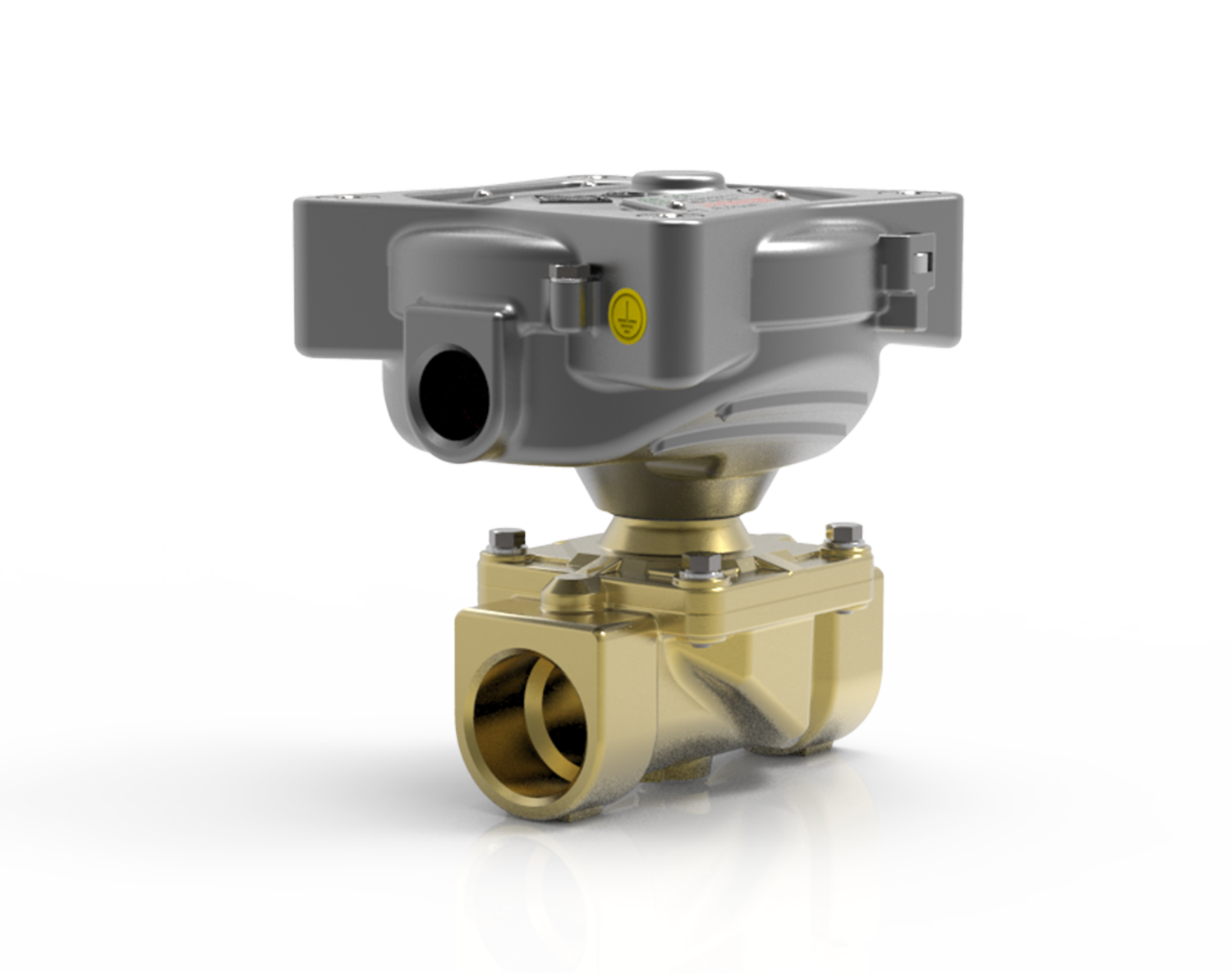
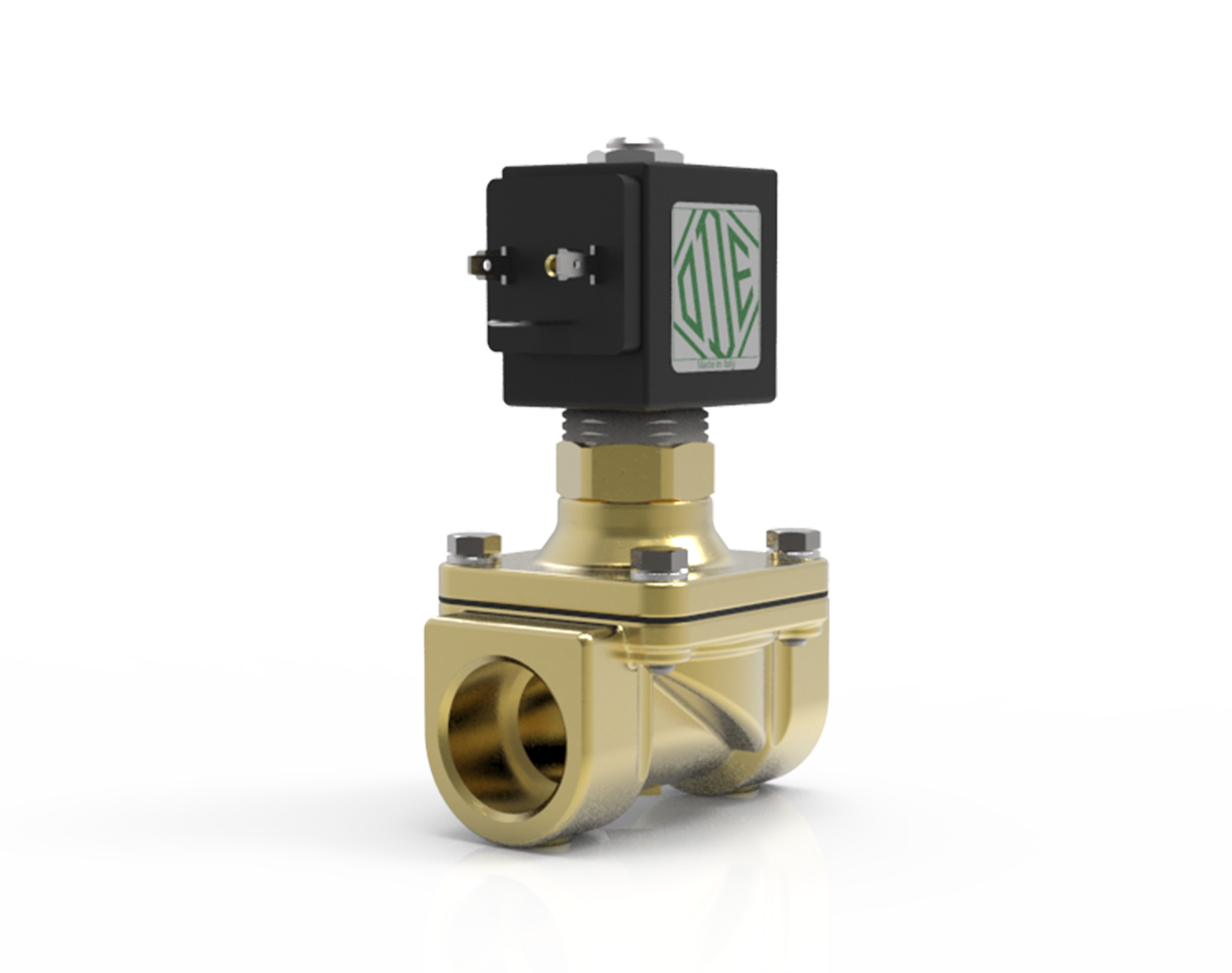
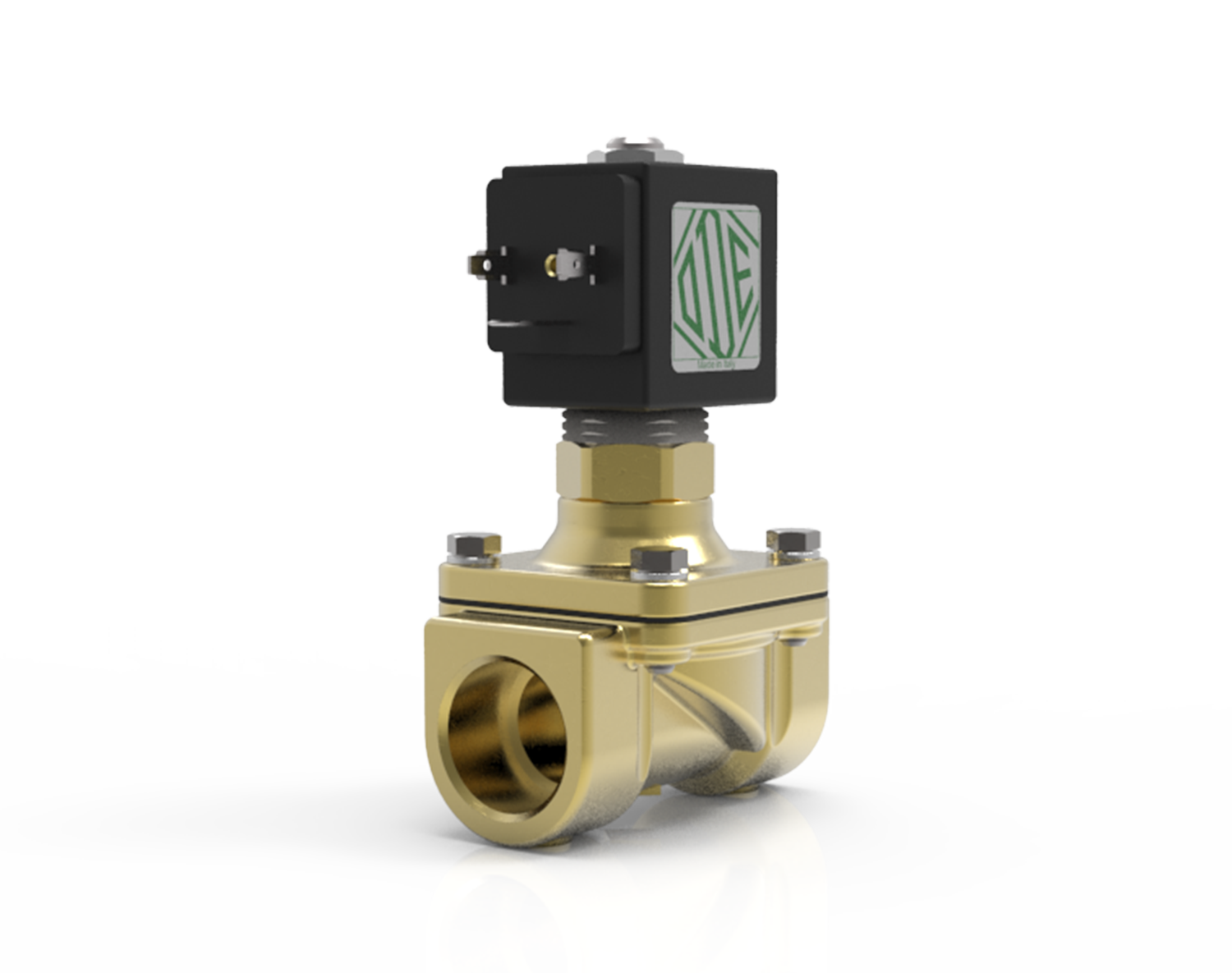
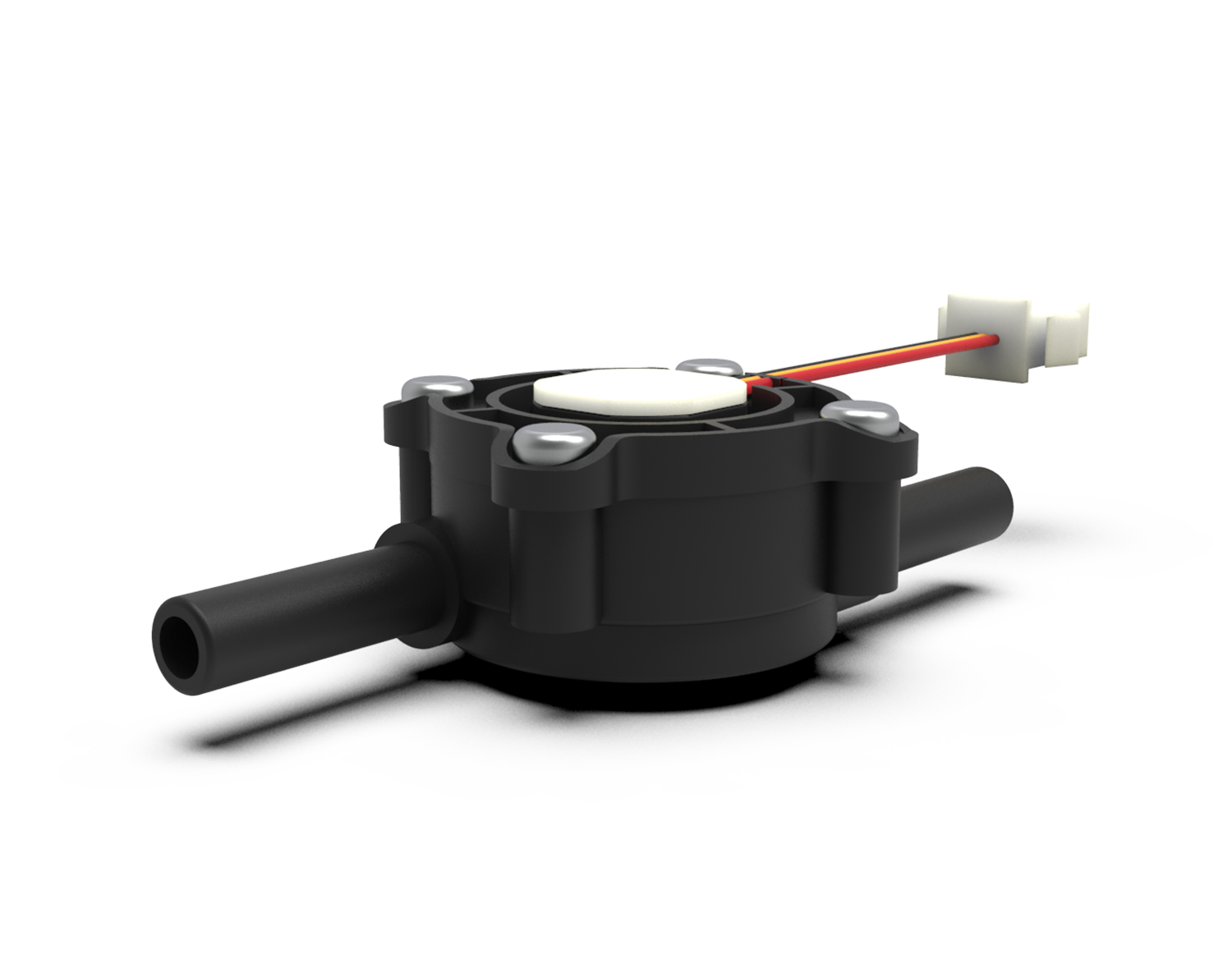
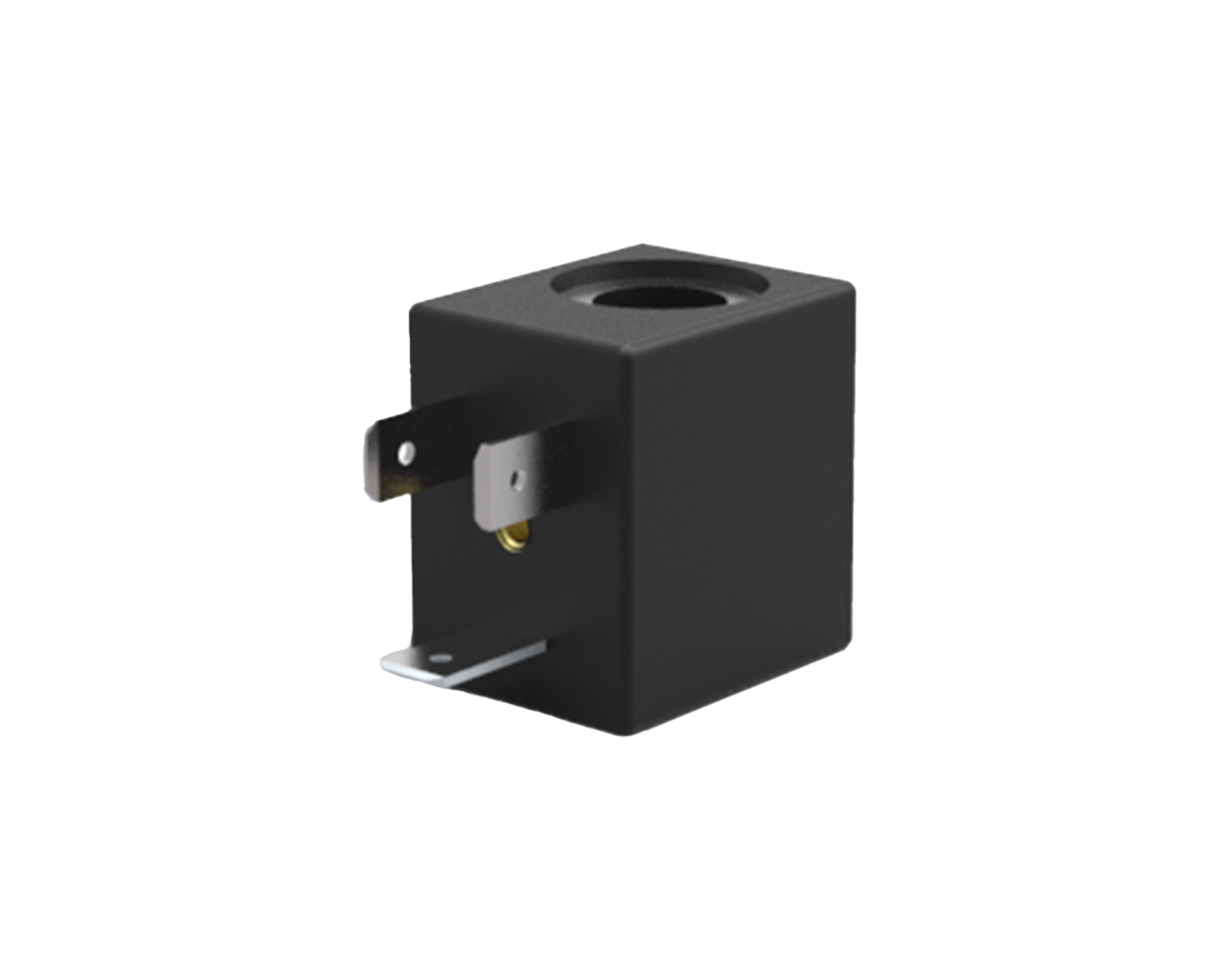
Steam solenoid valve _
Steam solenoid valves are fundamental components in systems that use steam as a means of heat or energy transfer. These valves allow you to precisely manage opening and closing of flow, even in conditions of high temperature and pressure, ensuring safety, efficiency and operating life.
Steam solenoid valve operation
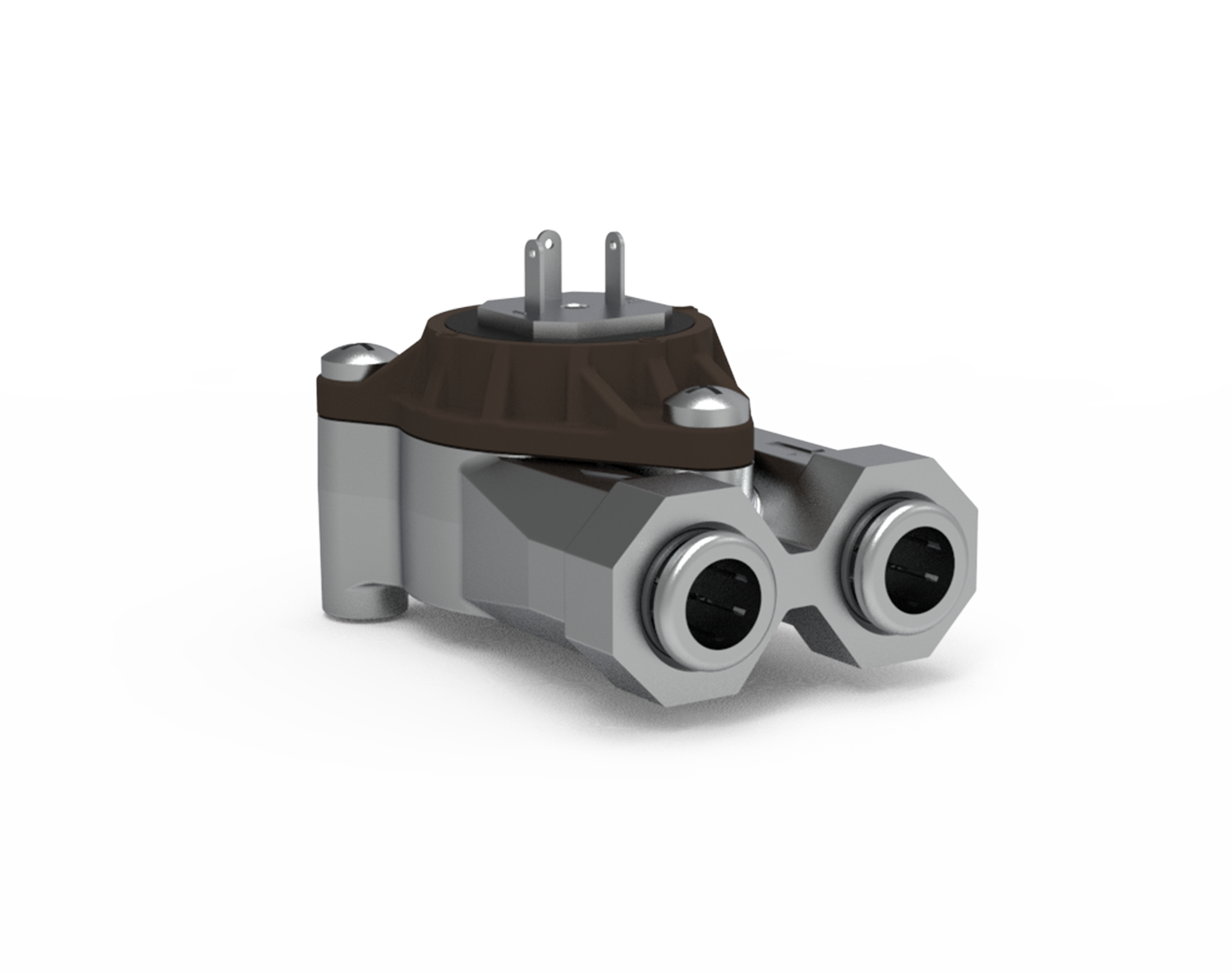
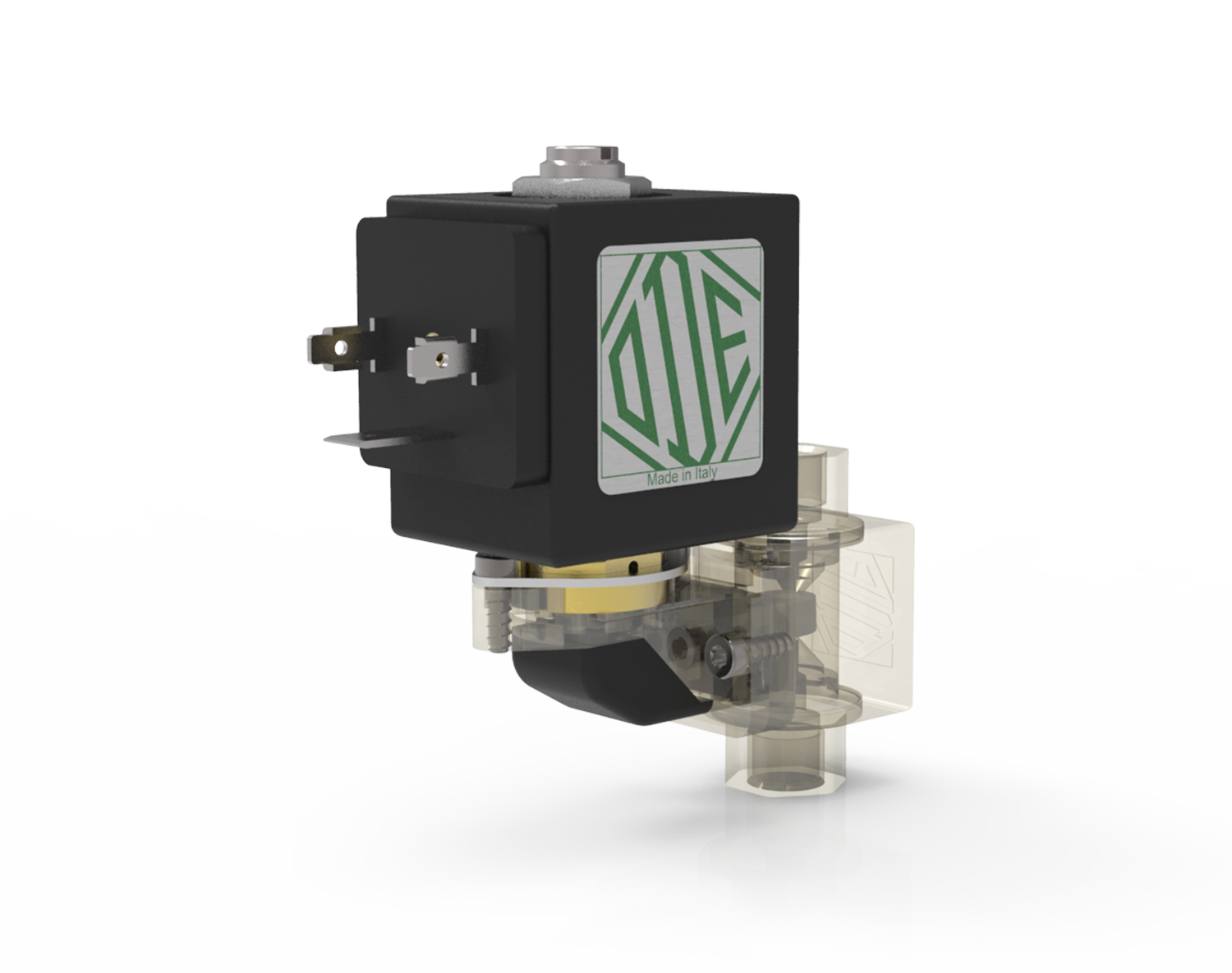
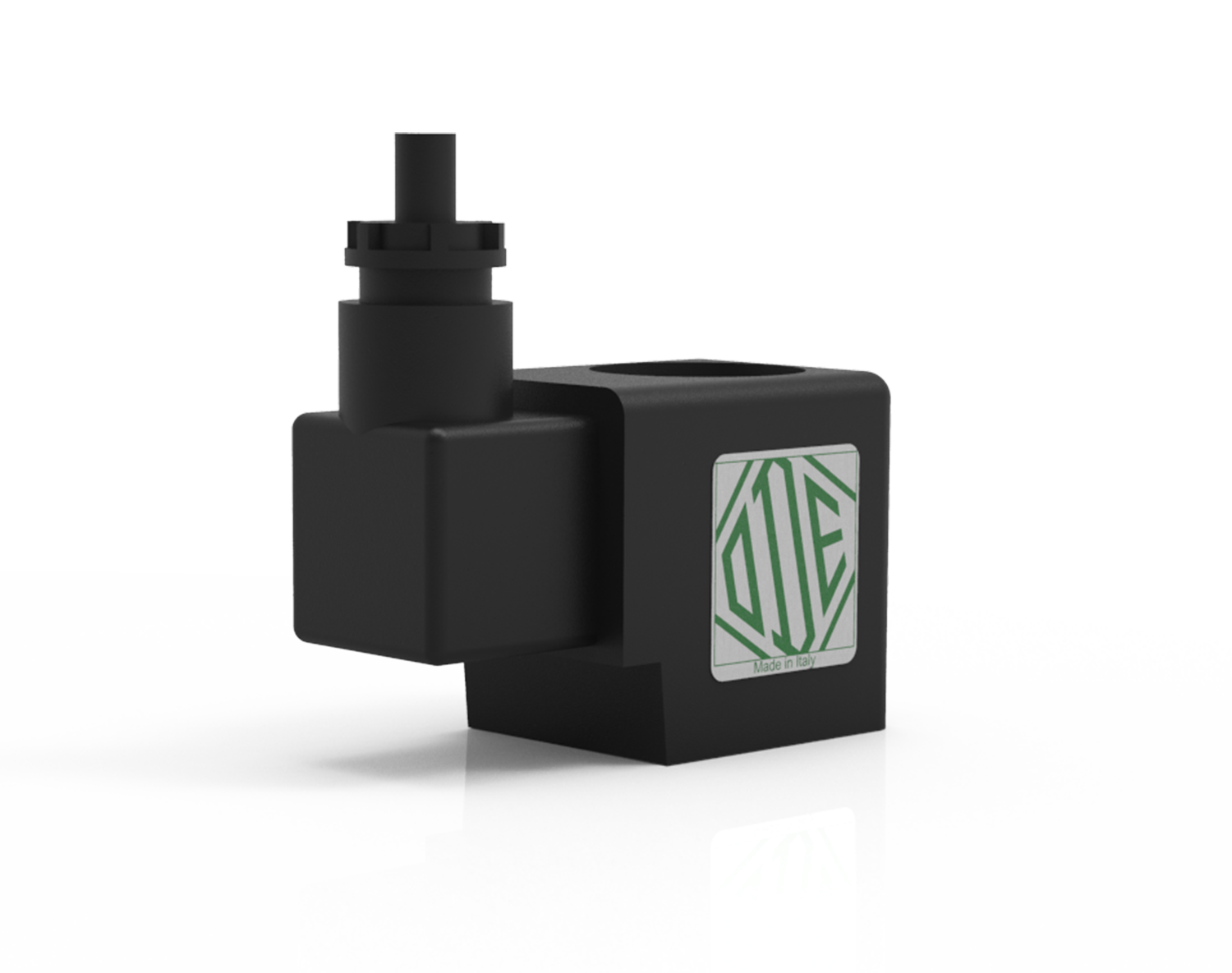
Steam solenoid valves use an electromagnetic actuator (solenoid) to regulate the passage of steam in a circuit. The body and internal components are designed to withstand severe operating conditions. The main mechanisms include: H2:
- Direct action: for low pressure systems, it guarantees an immediate response.
- Servo-assisted piloting: uses the fluid pressure to facilitate the opening of the valve, ideal for high pressures.
- Valves normally closed or open: configurable according to the safety needs of the system.
Our steam solenoid valves
Types of steam solenoid valves
2/2-way solenoid valves:
simple management of the steam flow ON/OFF.
Soft-seal or metallic models:
depending on the operating conditions.
Solenoid valves with PTFE, FKM or EPDM seals:
to resist saturated or overheated steam.
Steam solenoid valve applications
Steam heating systems:
for the management of thermal cycles.
Autoclaves and sterilisers:
precise control of steam sterilisation.
Textile and tanning industry:
for thermal and drying processes.
Food and beverage sector:
cooking, pasteurisation and steam cleaning.
Industrial plants and heat exchangers:
optimisation of energy efficiency.
Advantages of ODE steam solenoid valves
High resistance to temperature and pressure:
thanks to quality materials and seals.
Reliability over time:
even in environments with high thermal stress.
Quick response times:
for precise and safe steam regulation.
Easy integration:
into automation and control systems.
Reduced maintenance:
thanks to the robust construction and quality of the components.