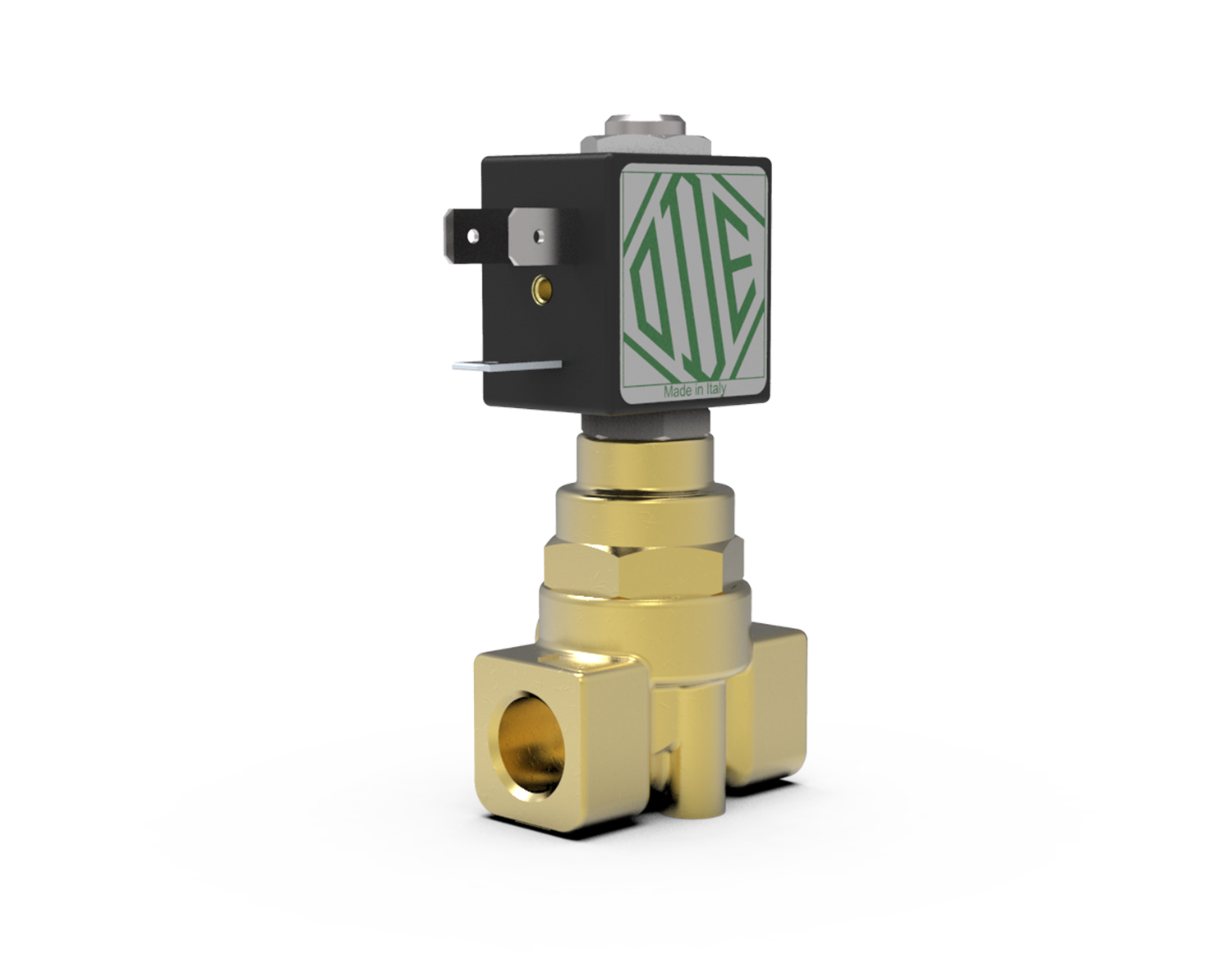
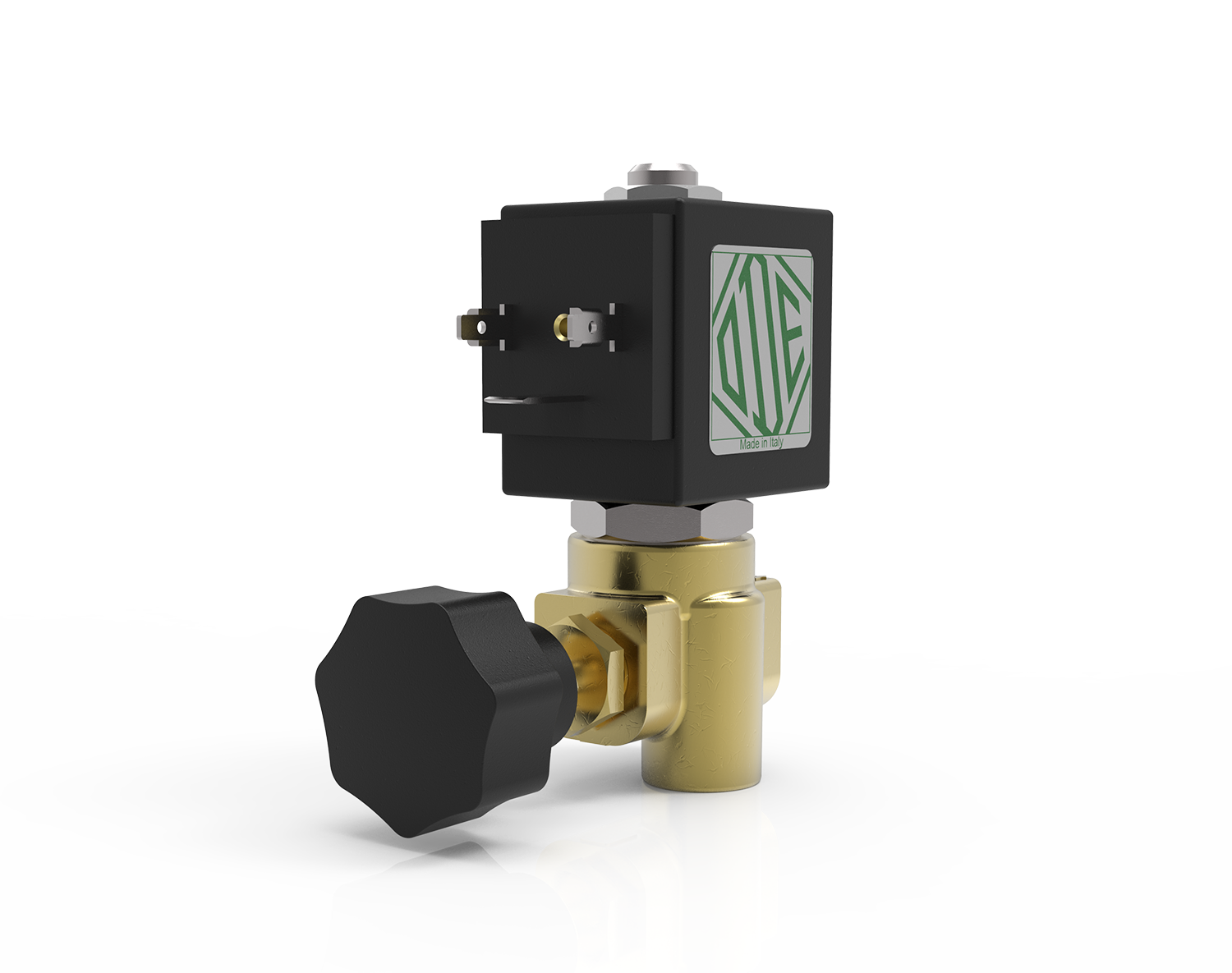
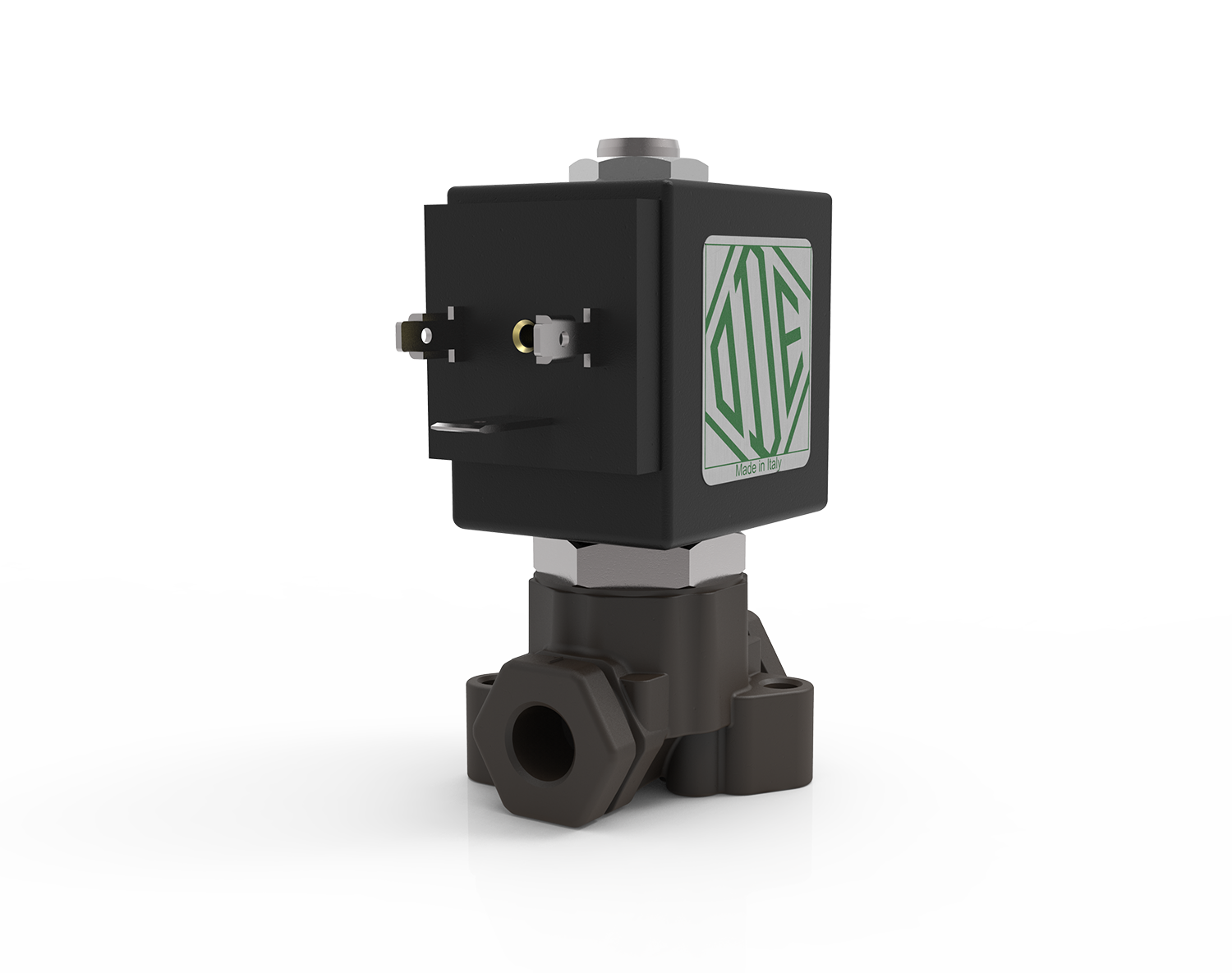
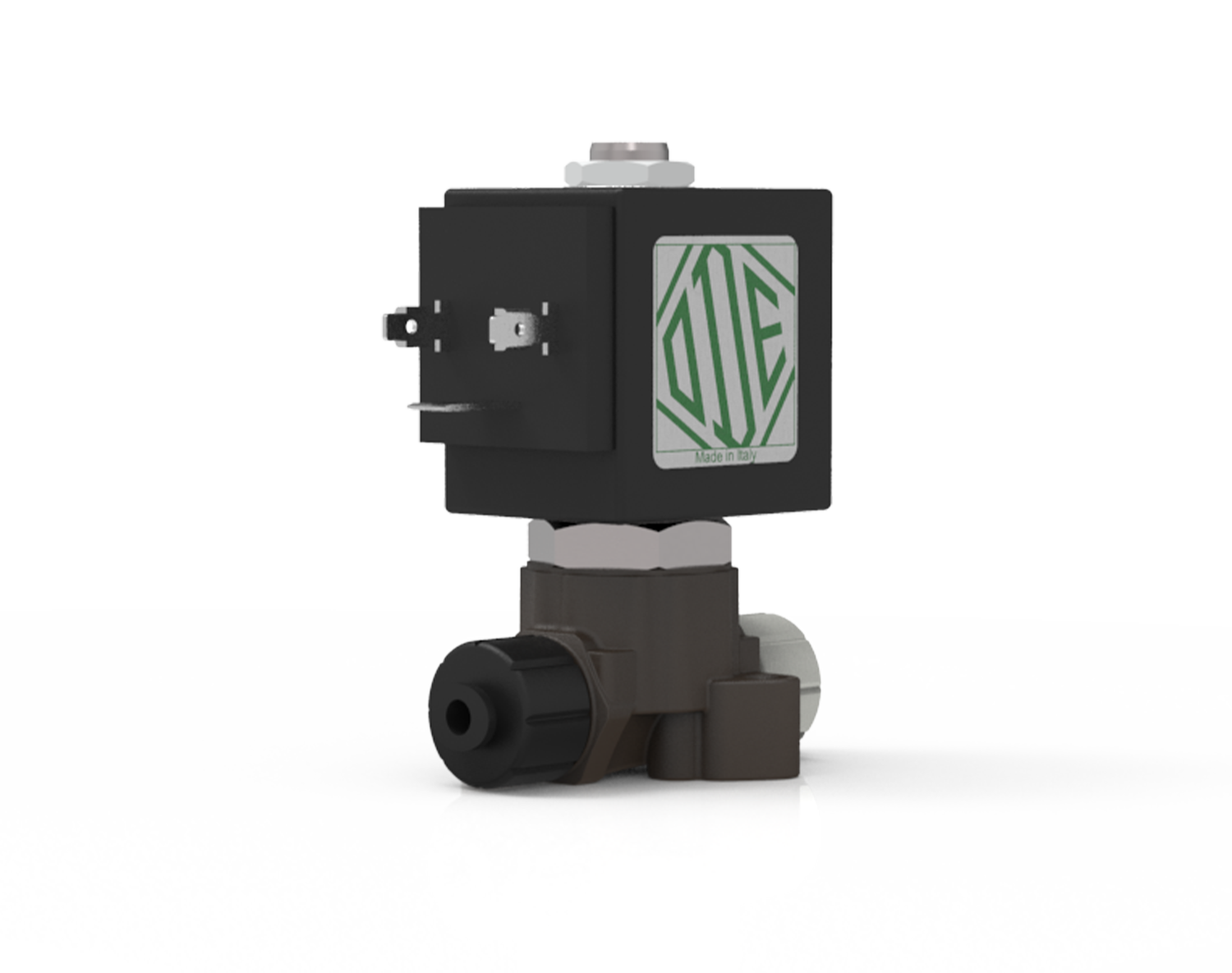
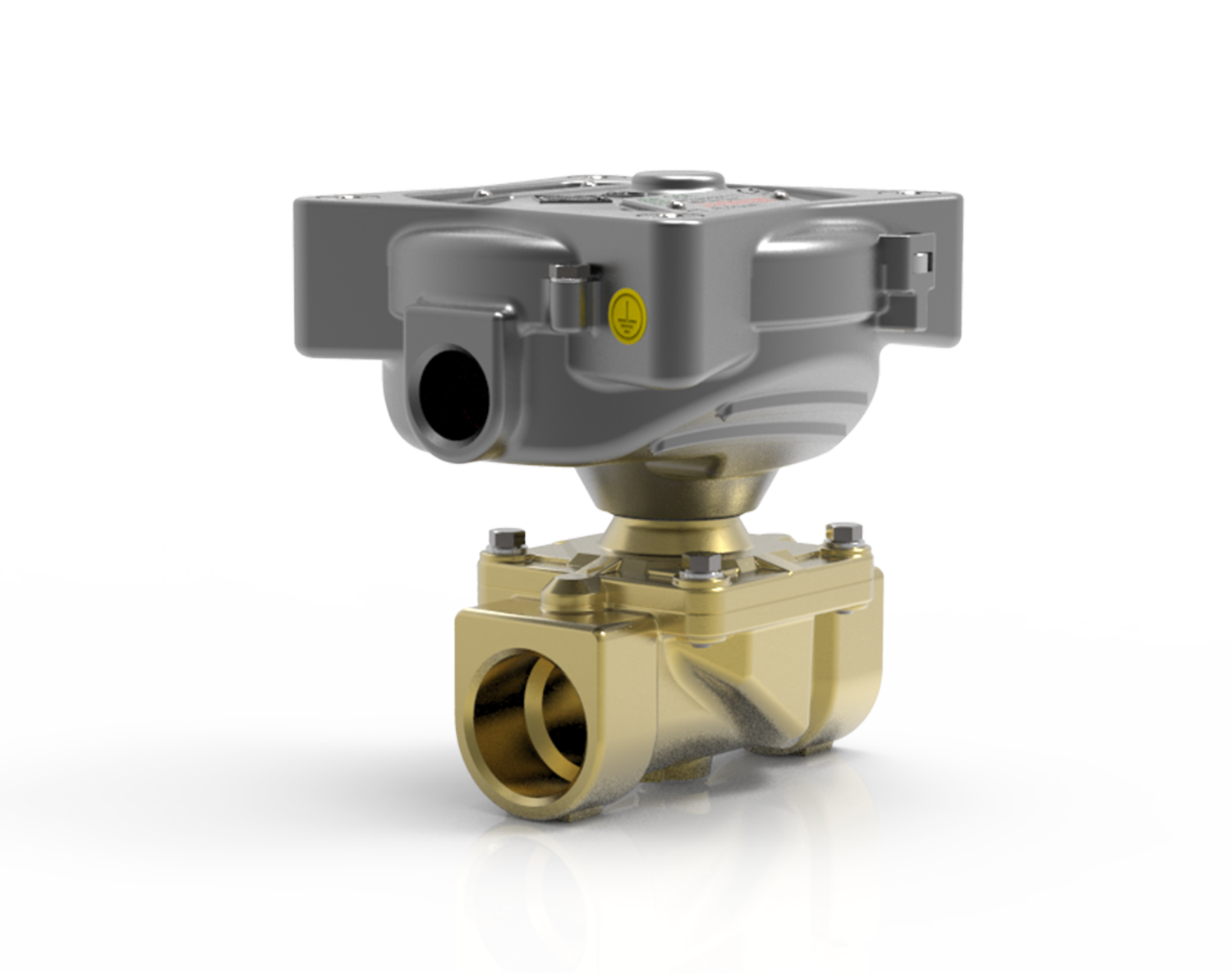
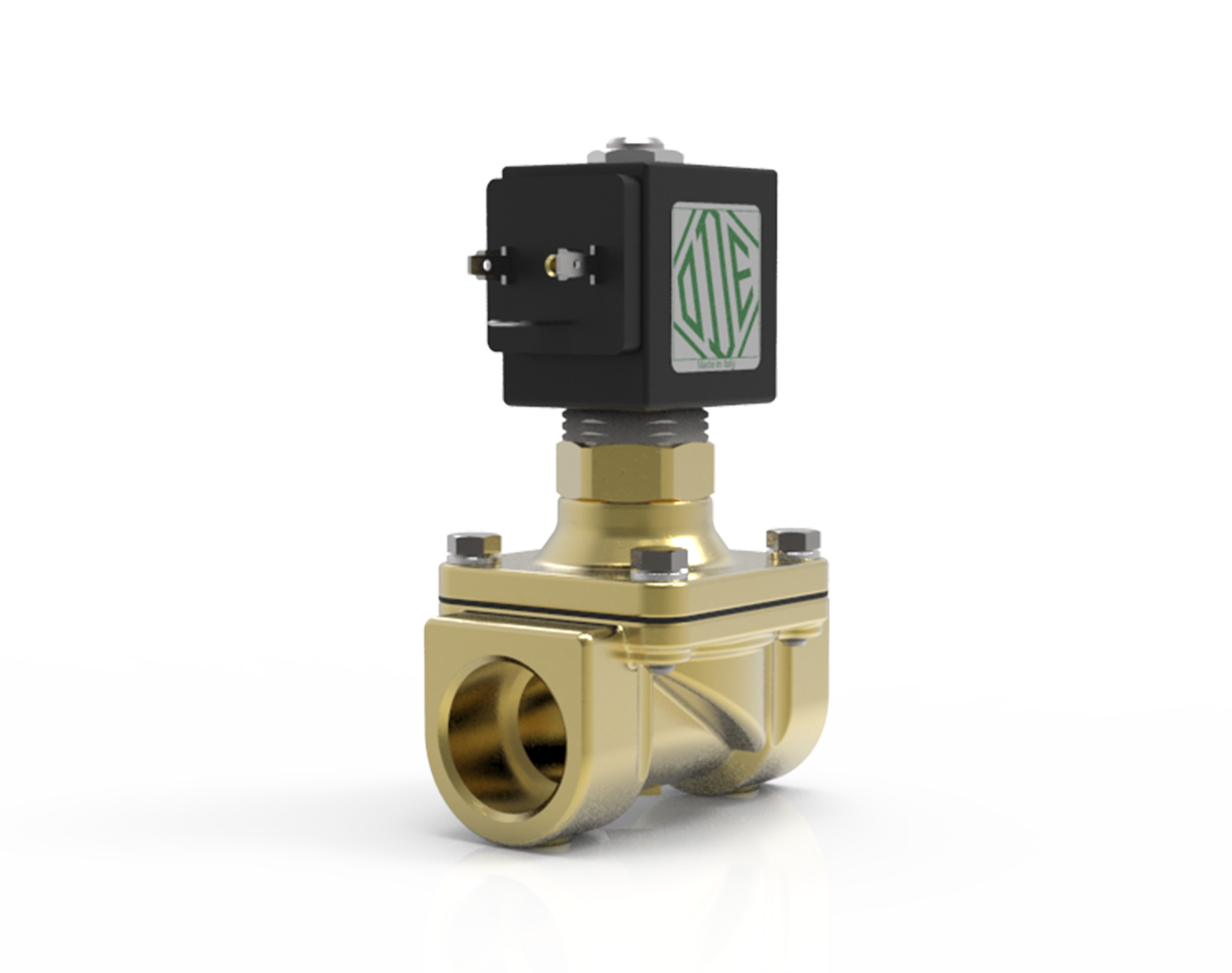
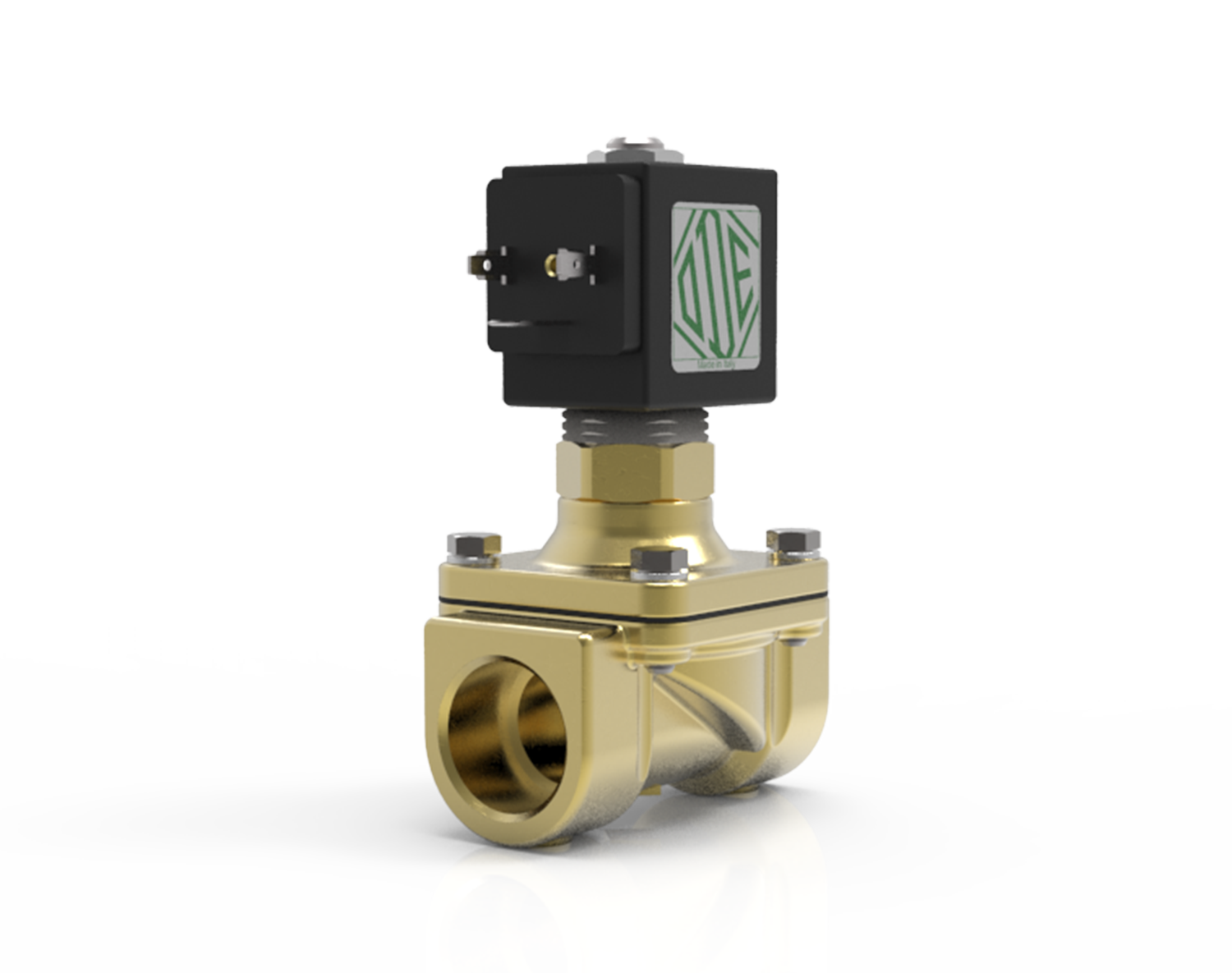
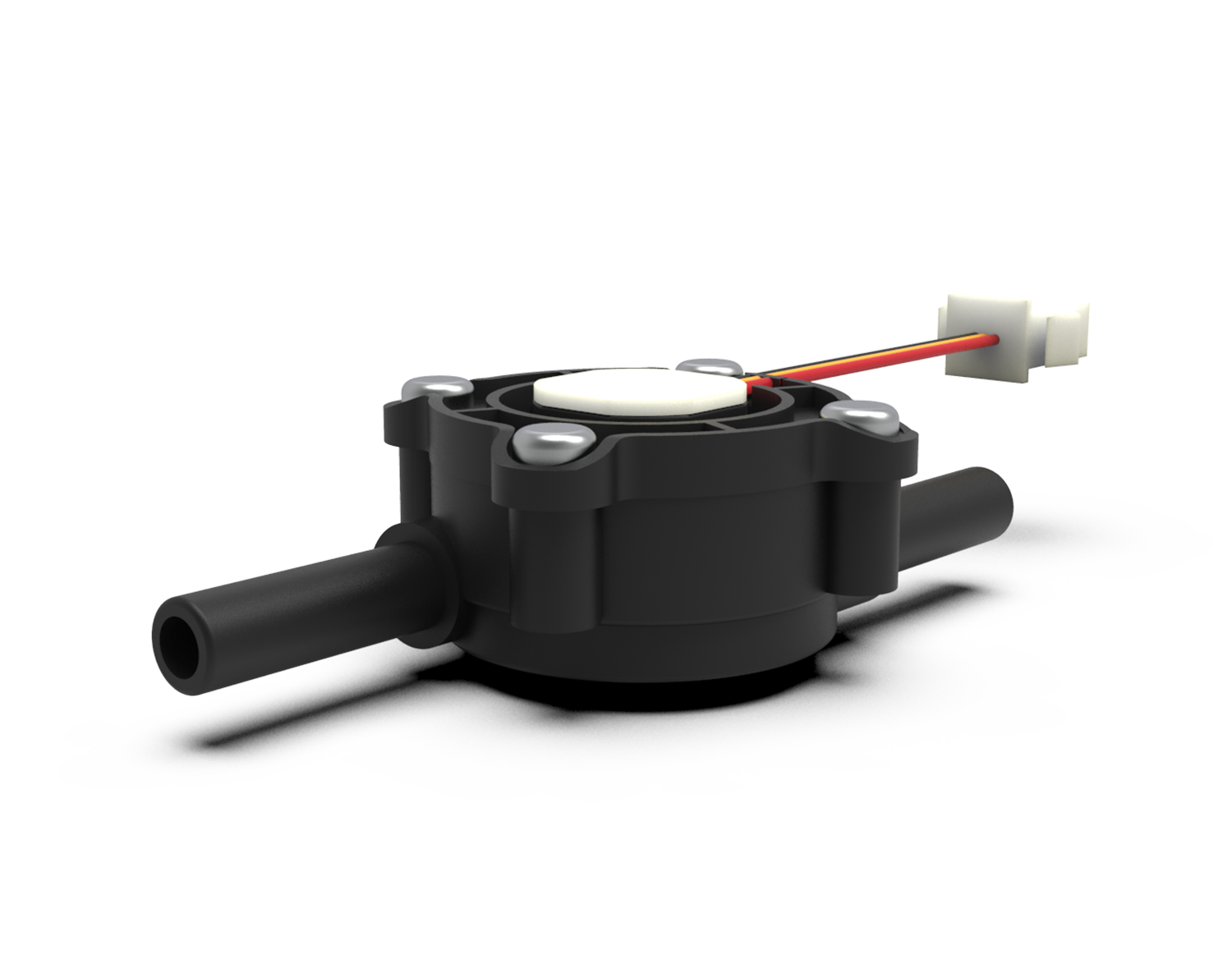
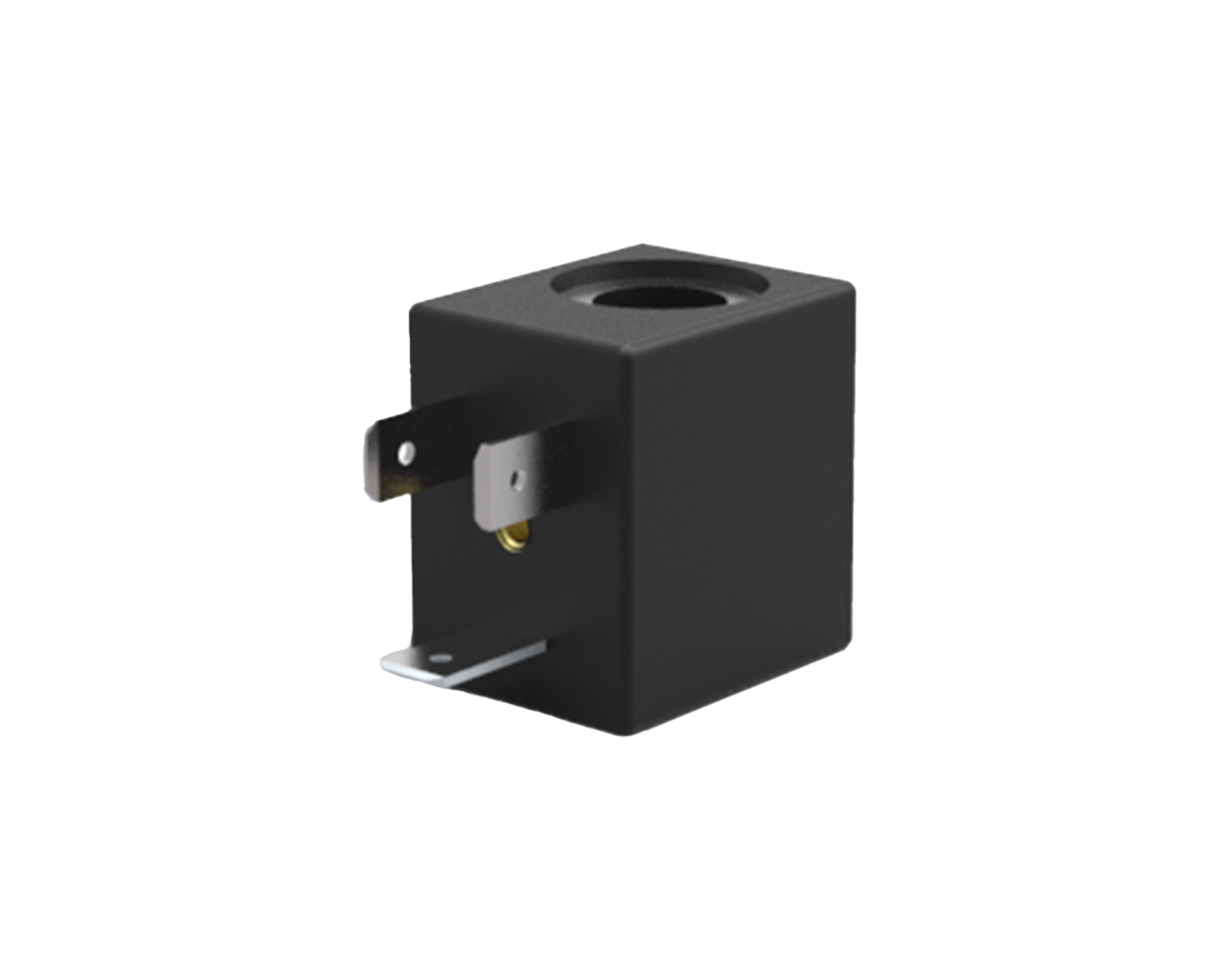
Automotive Valve _
Automotive valves are key components in the automotive industry, responsible for the accurate management of liquid and gas flows in vehicles. Designed to ensure maximum reliability, precision and safety, these valves play a fundamental role in the proper functioning of cars, motorcycles and commercial vehicles.
Automotive valve operation
Automotive valves are electromechanical devices that precisely control the opening and closing of fluid flows within the circuits of a vehicle. Their mechanism is mainly based on solenoids that, through electrical impulses, quickly manage the flow of fluids.
- Circuit opening: allows the controlled passage of fluid, which can be fuel, air, oil or refrigerant gas, depending on the system in which it is integrated.
- Circuit closing: interrupts the flow avoiding leaks, ensuring operational safety and maintaining optimal pressure within the system.
- Precise adjustment: accurately modulates the amount of fluid to optimise vehicle performance, consumption and emissions.
Automotive valves differ according to the type of fluid managed and the specific role played within the vehicle:
- Electromagnetic valves (solenoids): used in fuel injection and air management systems.
- Non-return valves (check valves): allow flow in only one direction, used to prevent backflow in the fuel and hydraulic supply systems.
- Proportional valves: progressively regulate the flow of fluids, used in braking and suspension systems.
- Safety and discharge valves: essential to prevent overpressures in cooling and air conditioning systems.
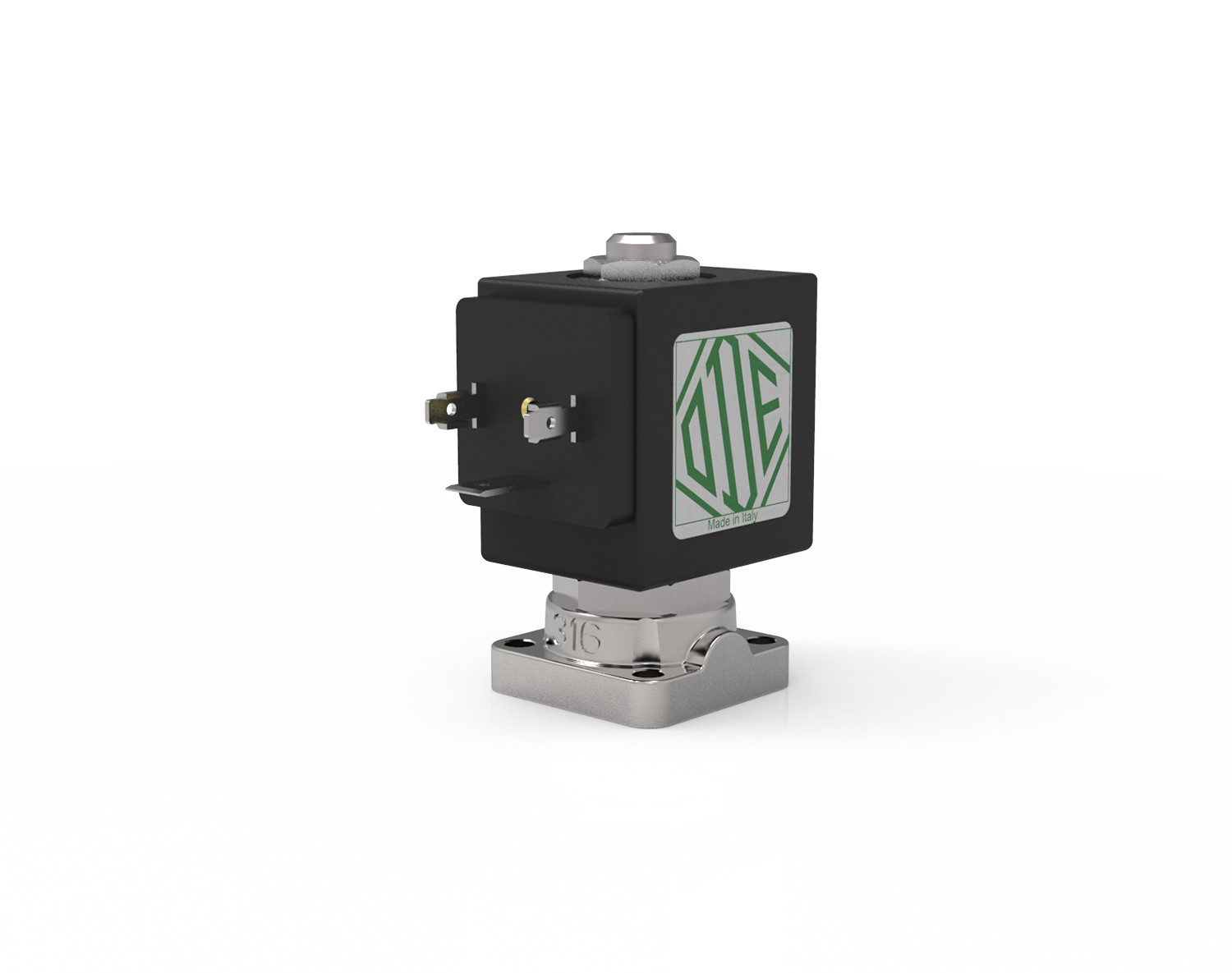
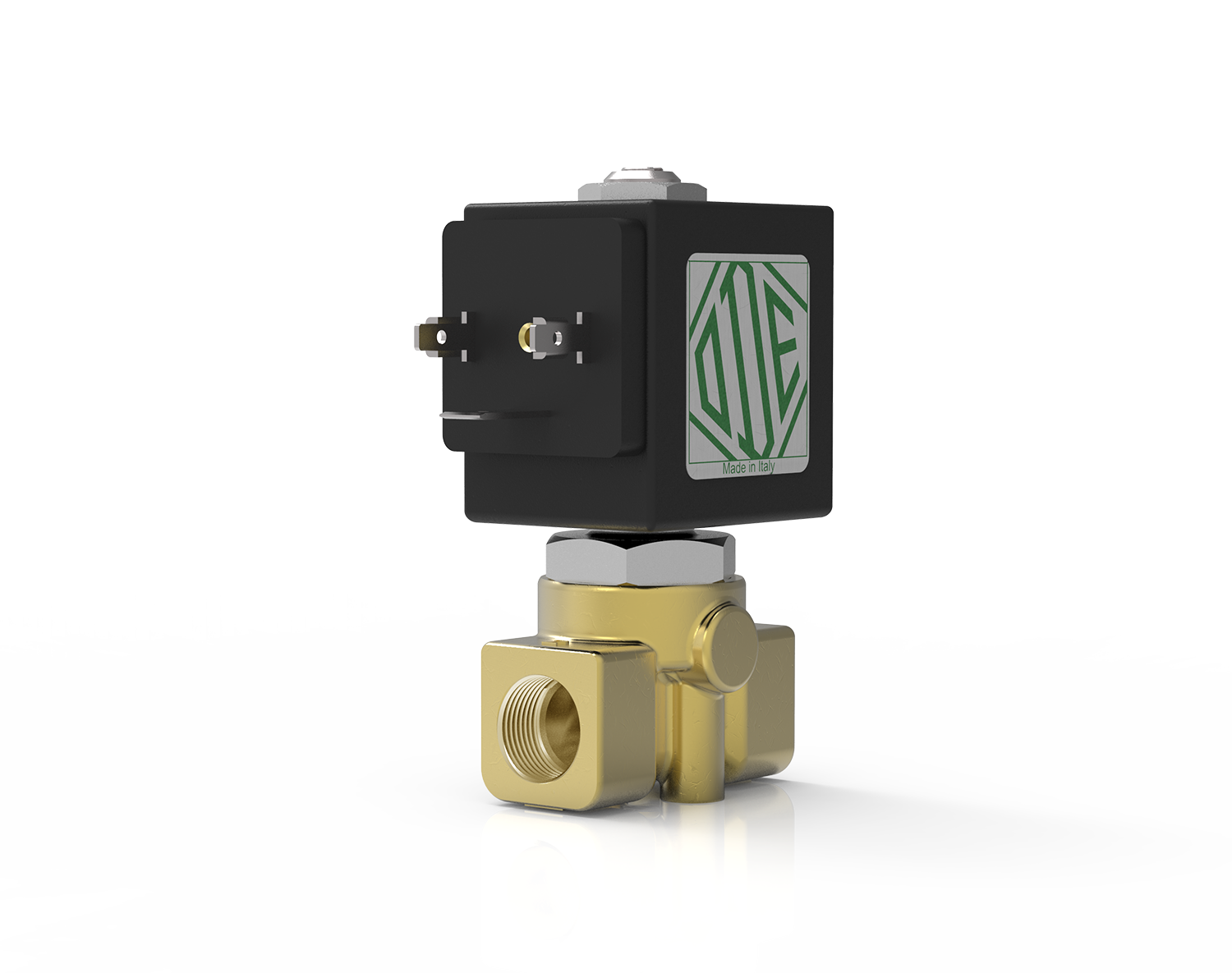
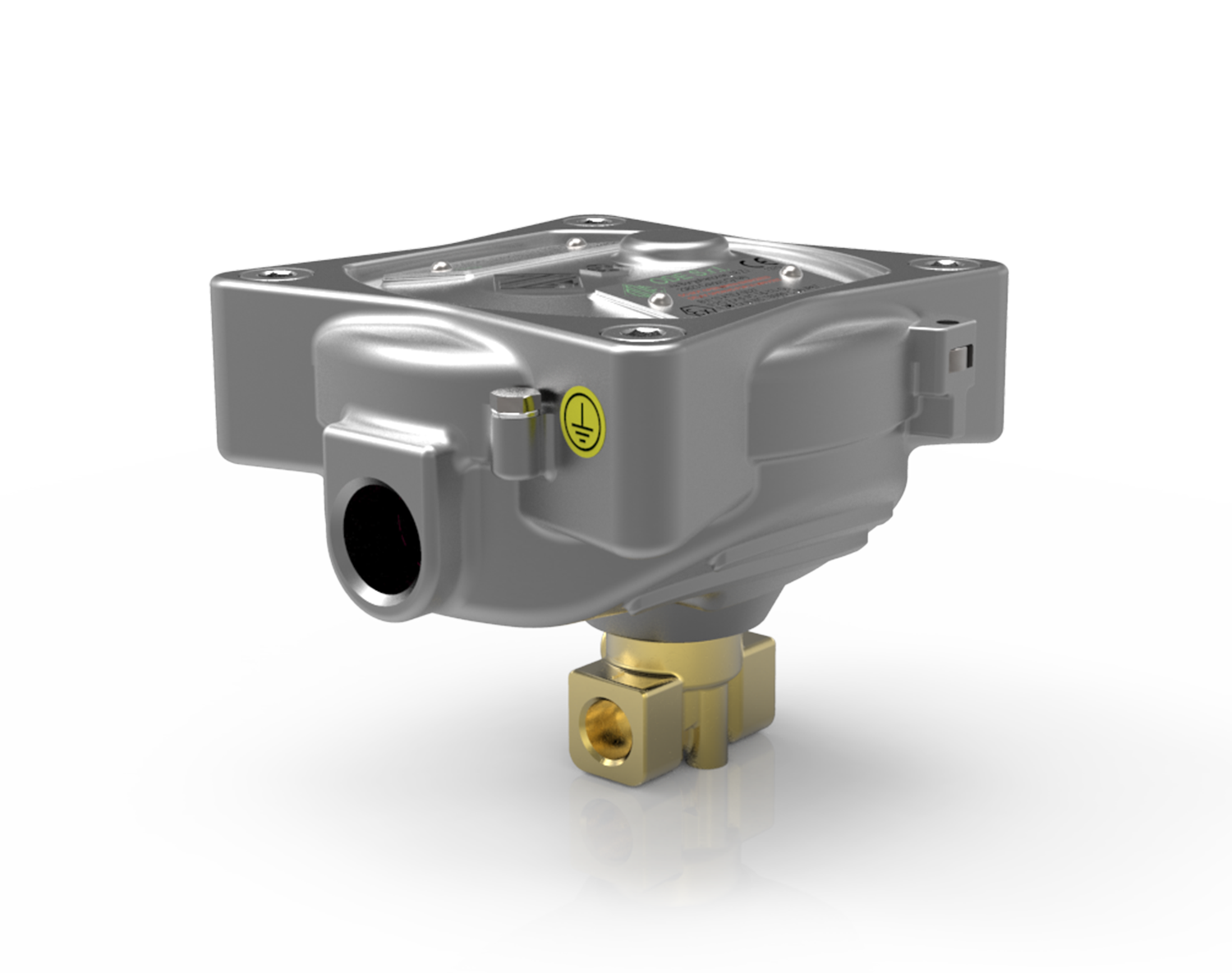
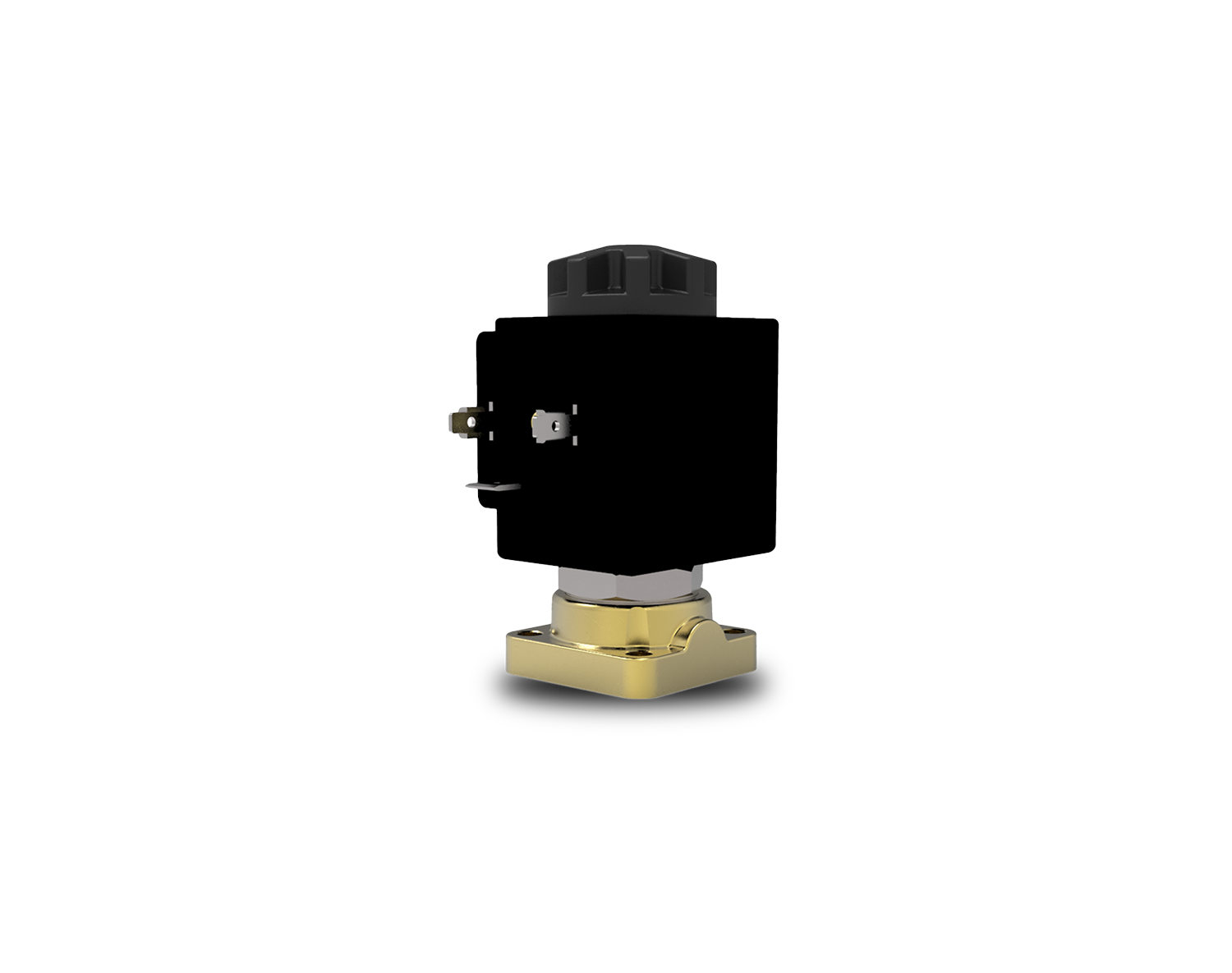
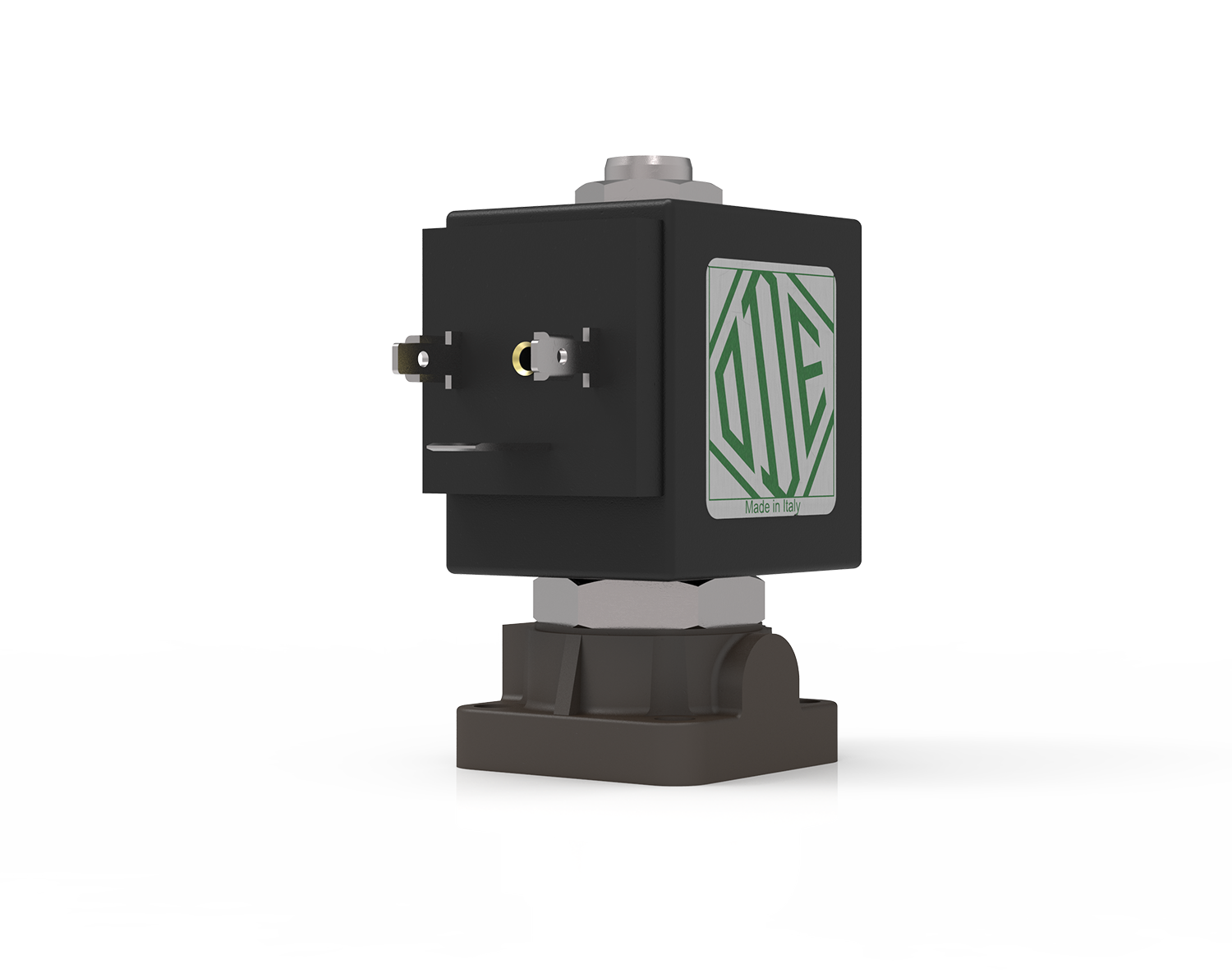
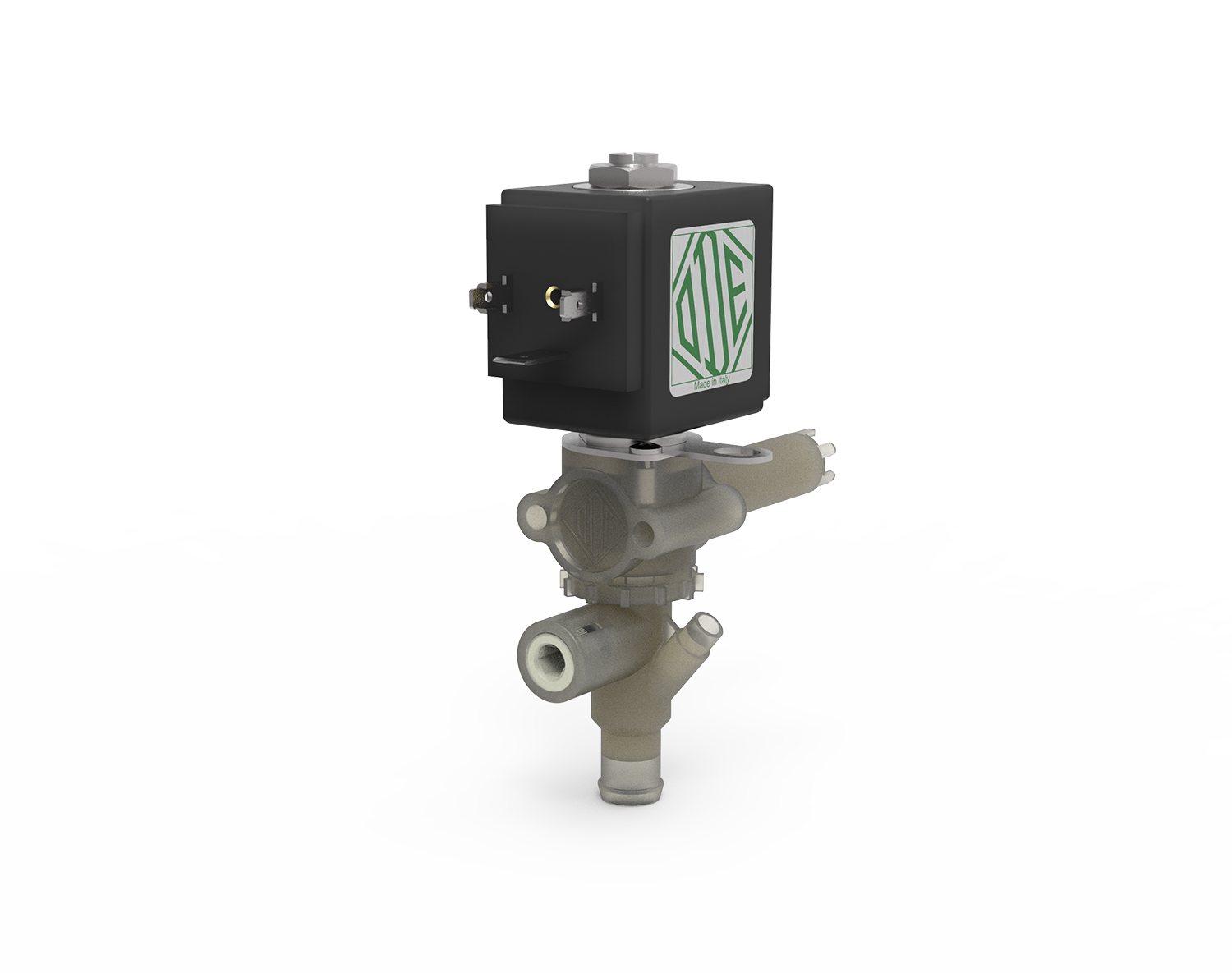
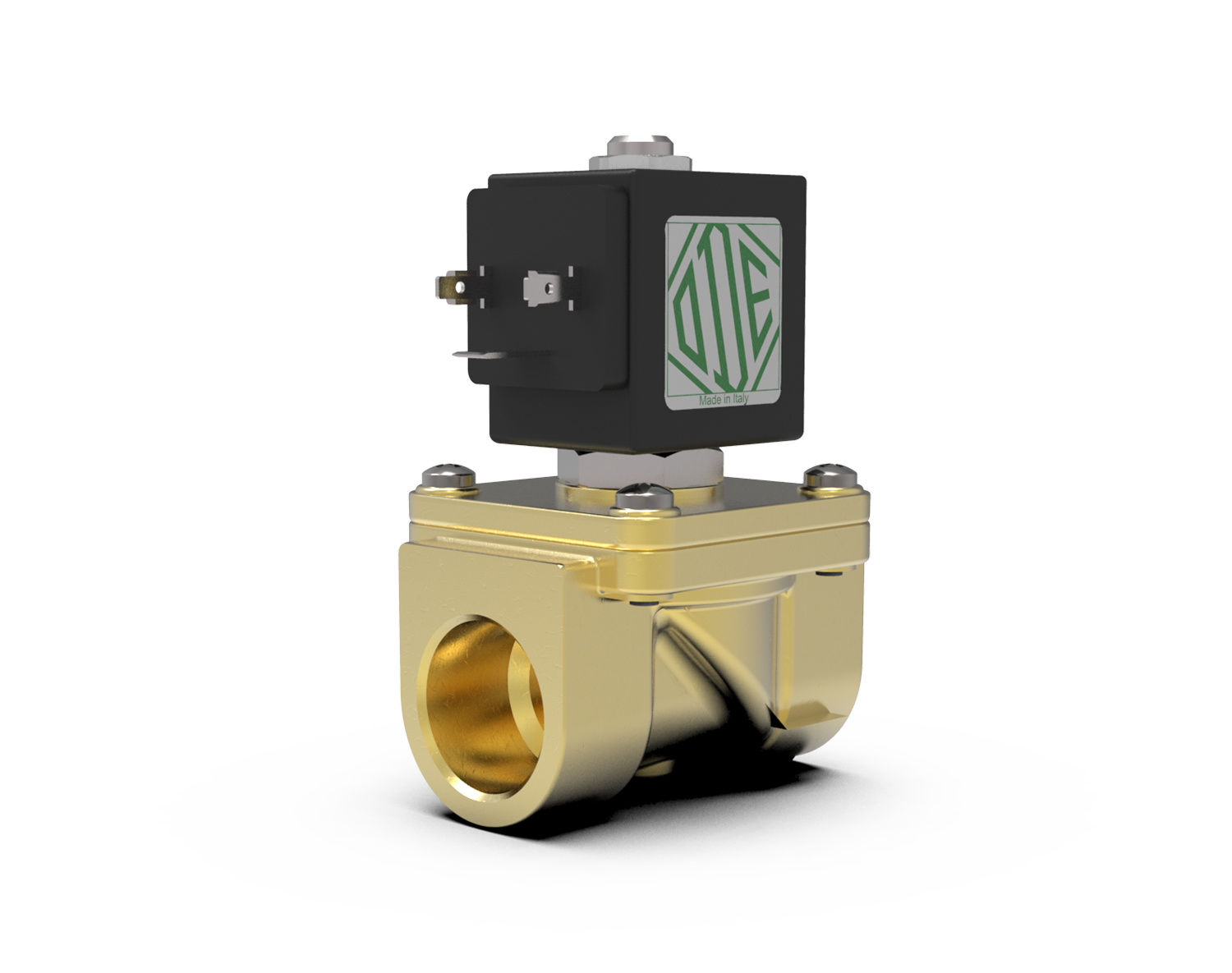
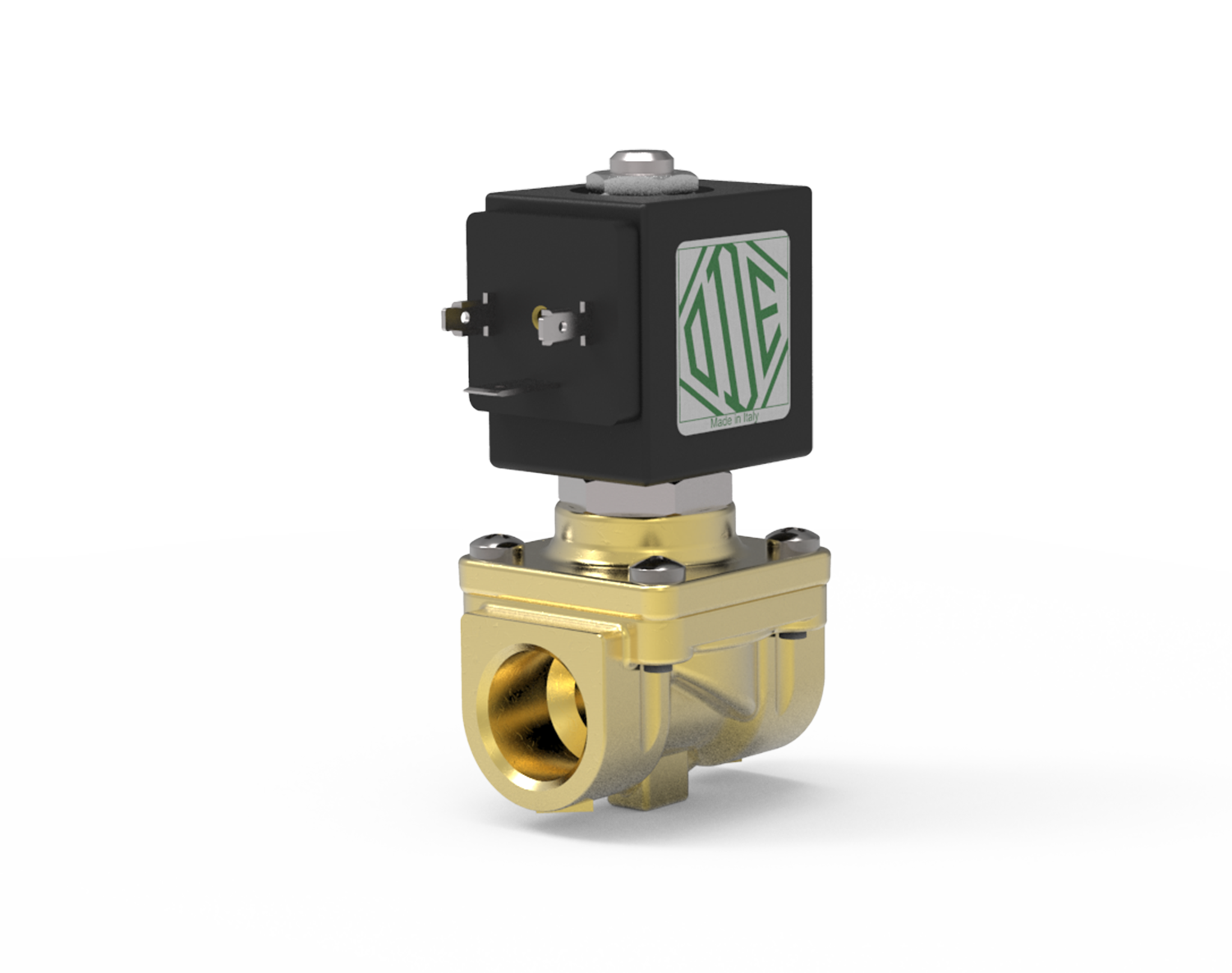
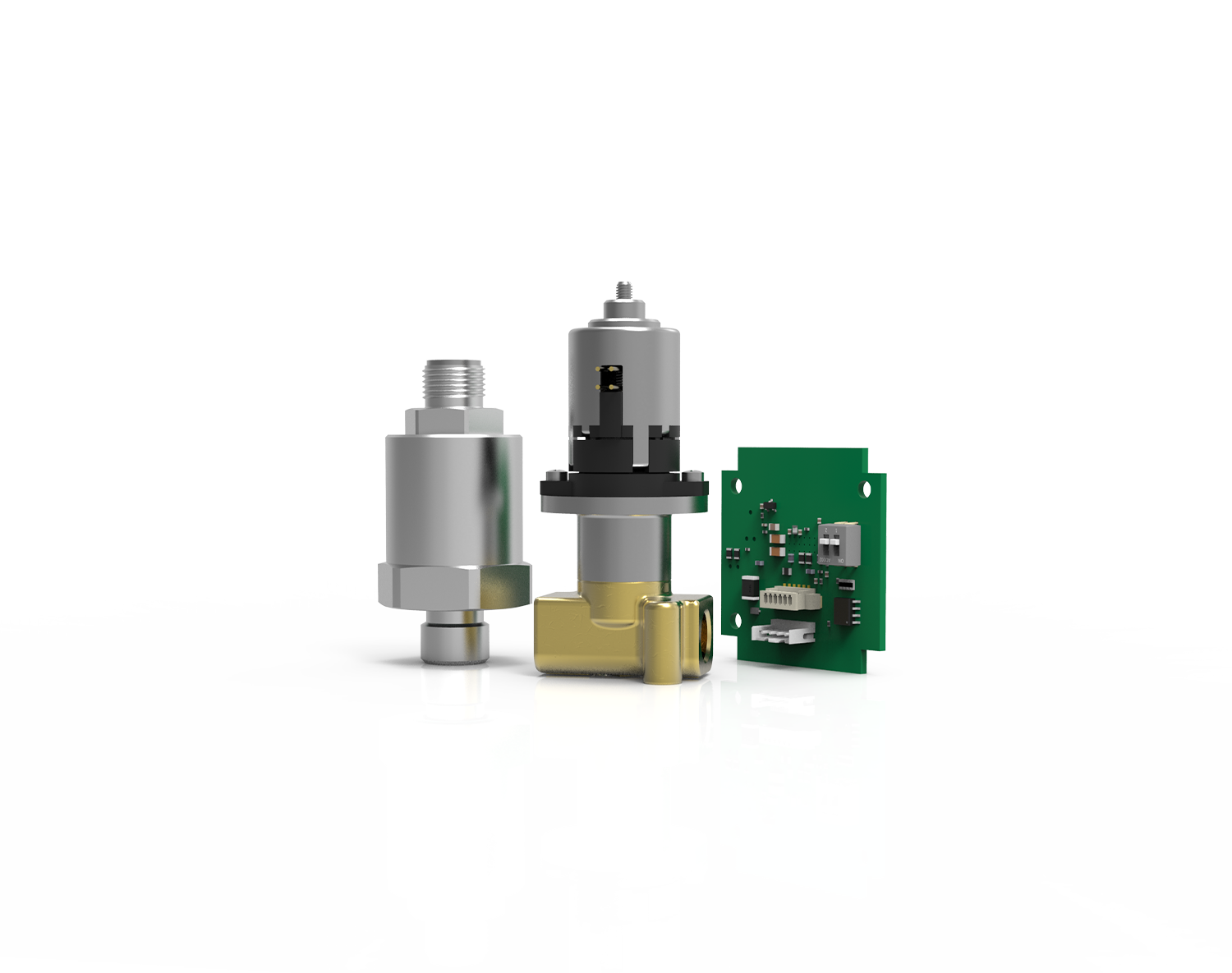
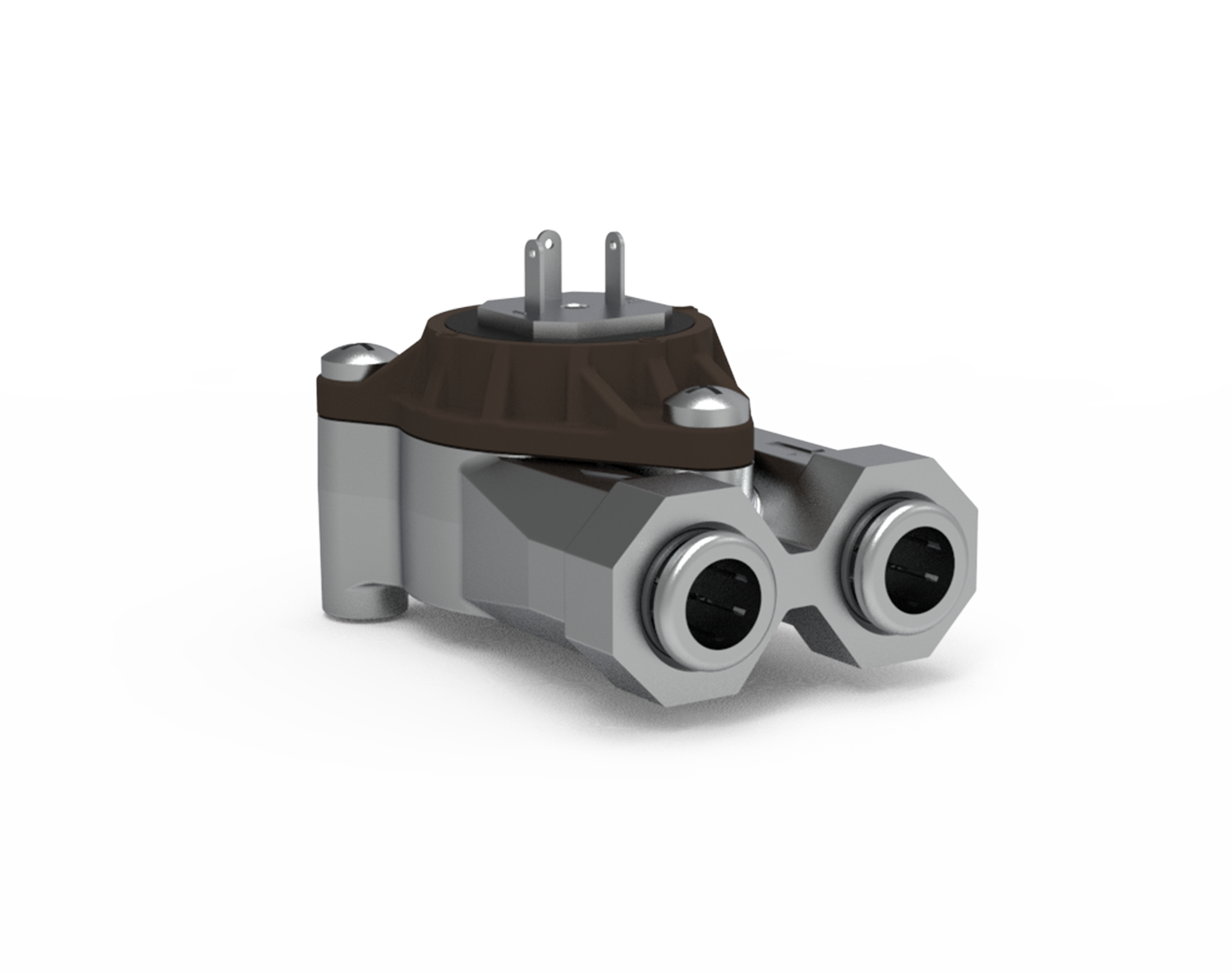
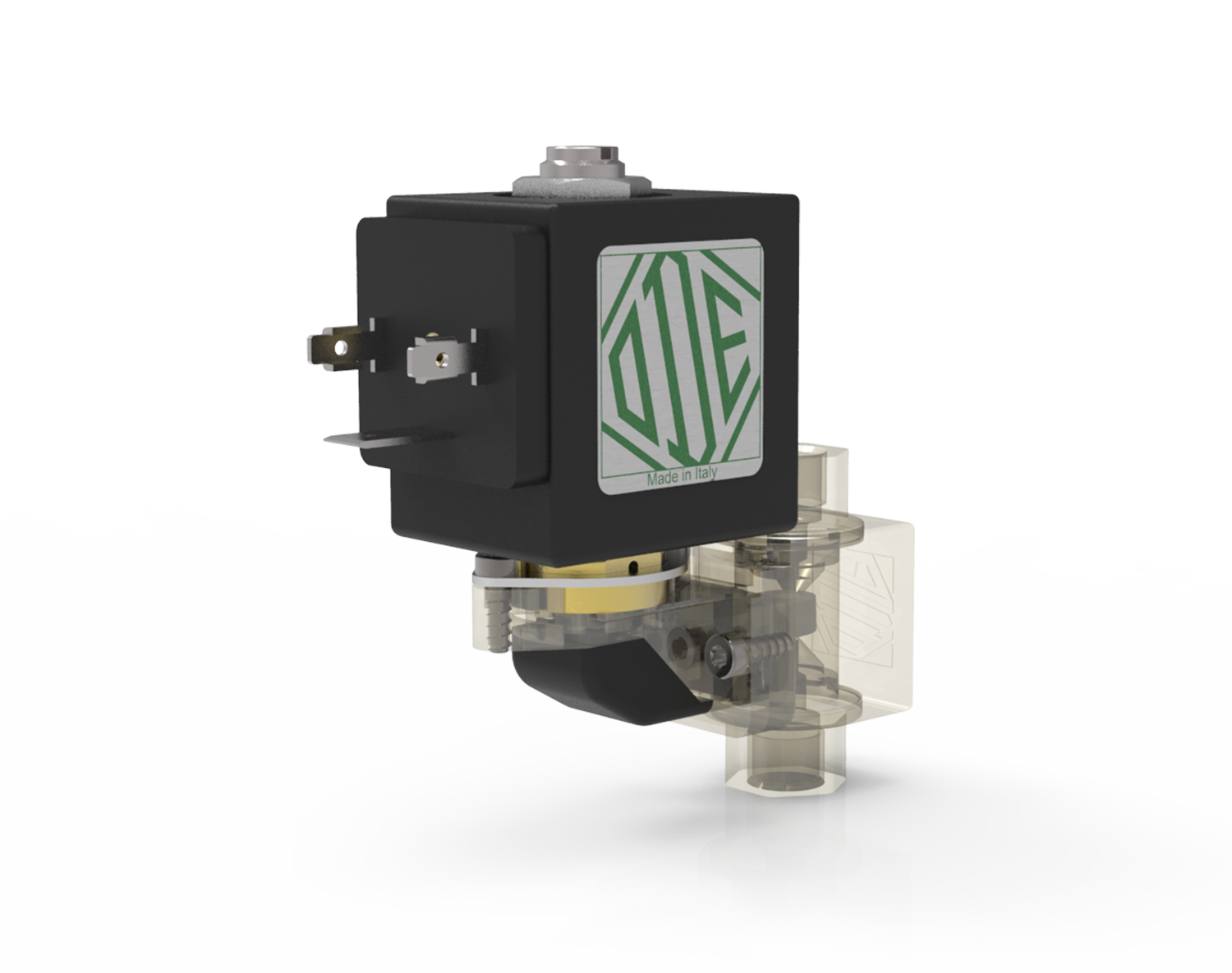
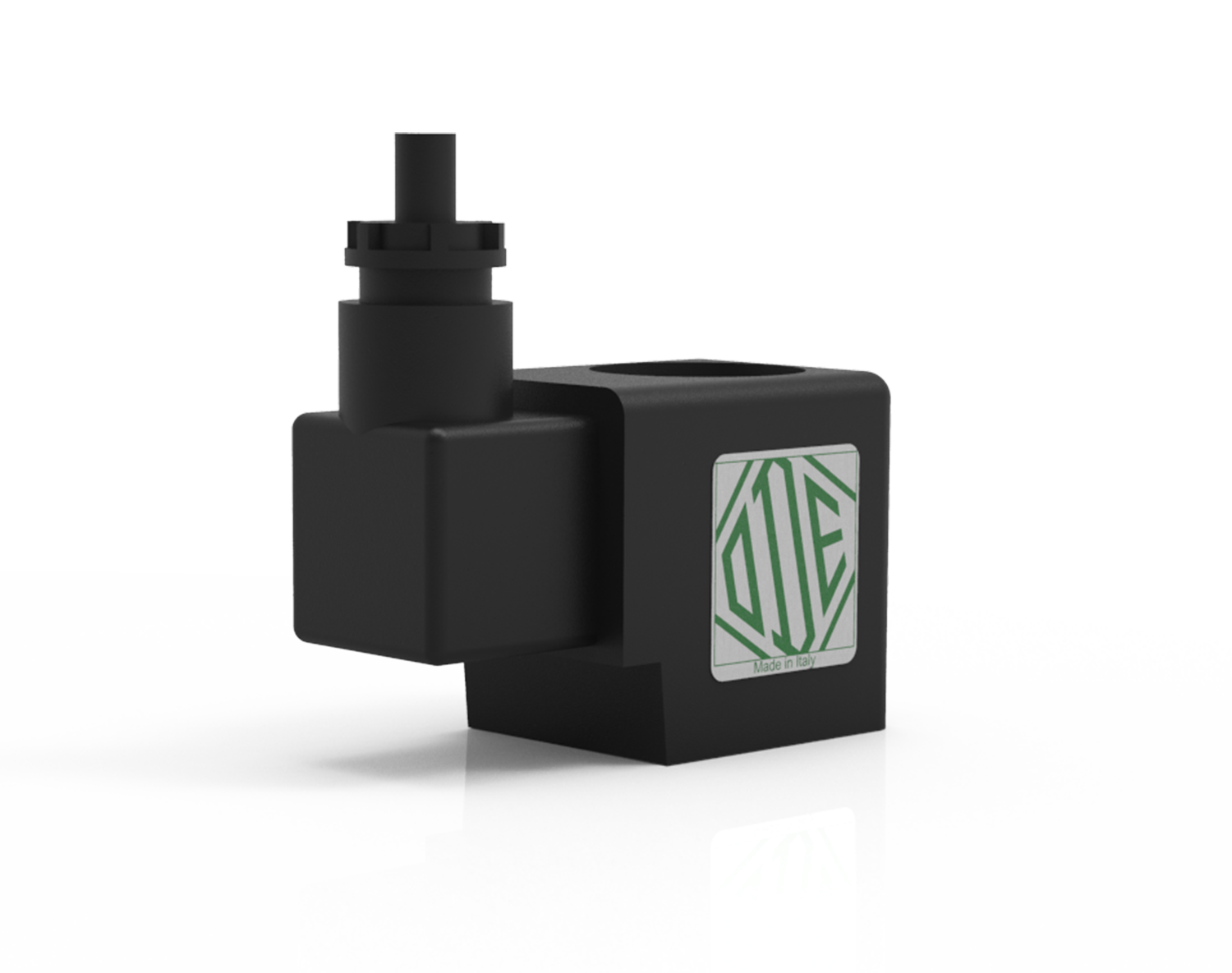
Our Automotive Valves
Characteristics of ODE automotive valves
High-quality materials:
brass, stainless steel, technopolymers resistant to high temperatures and pressures.
Operational precision:
they guarantee a quick and precise response to electrical impulses.
Durability and reliability:
designed to withstand extreme conditions such as vibration, high temperatures and varying pressures.
Environmental compatibility:
developed in compliance with international regulations on emissions and sustainability.
Automotive valve applications
Fuel injection systems:
they regulate the precise amount of fuel to be delivered, optimising consumption and emissions.
ABS and ESP braking circuits:
they modulate the pressure of the braking fluids to ensure maximum braking safety.
Exhaust gas management:
used in emission control systems to manage the recirculation and reduction of pollutants.
Active suspension:
they regulate hydraulic pressure to adapt the vehicle's suspension to different driving conditions.
Cooling systems:
they control the flow of coolants to avoid overheating and maintain optimal temperatures.