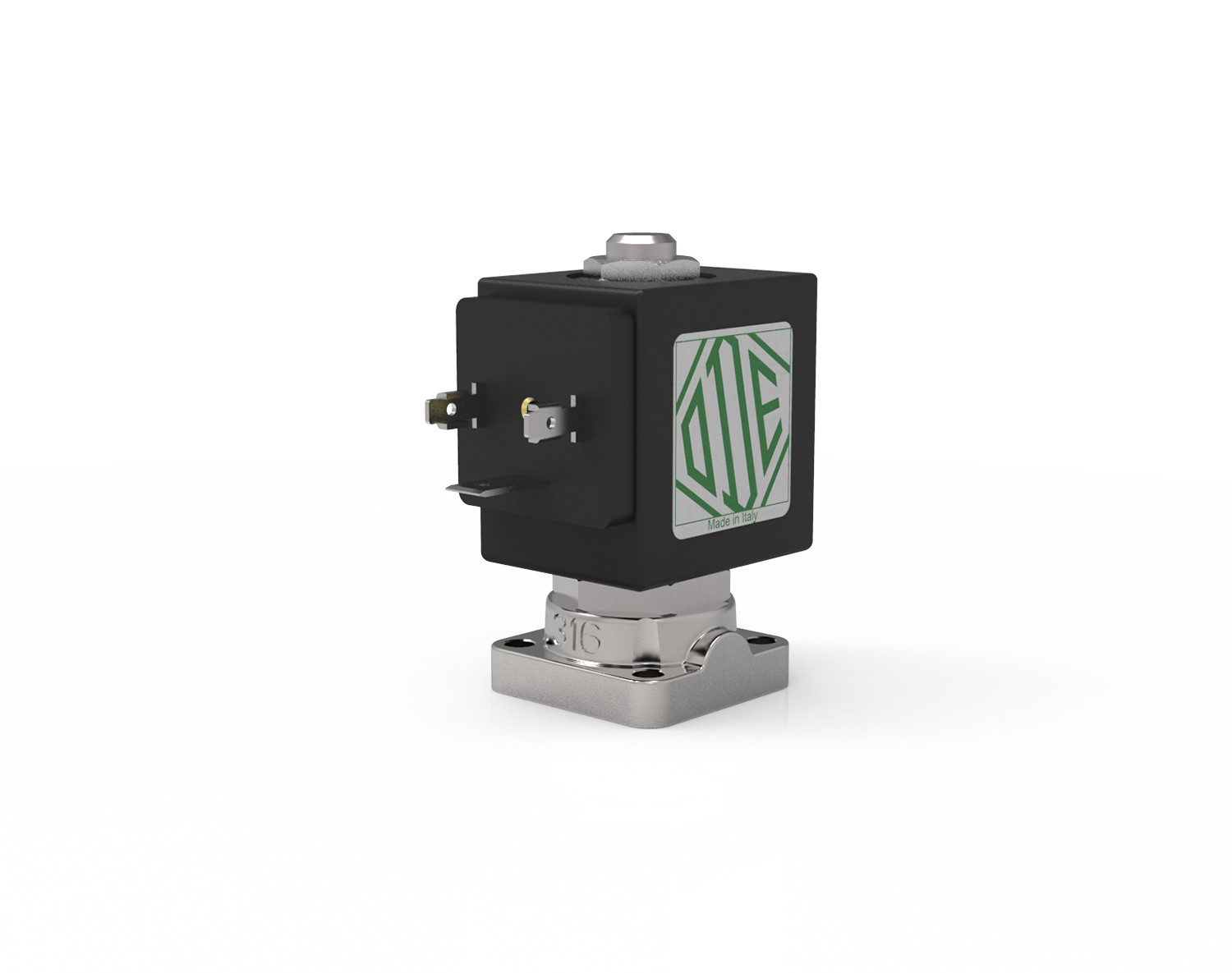
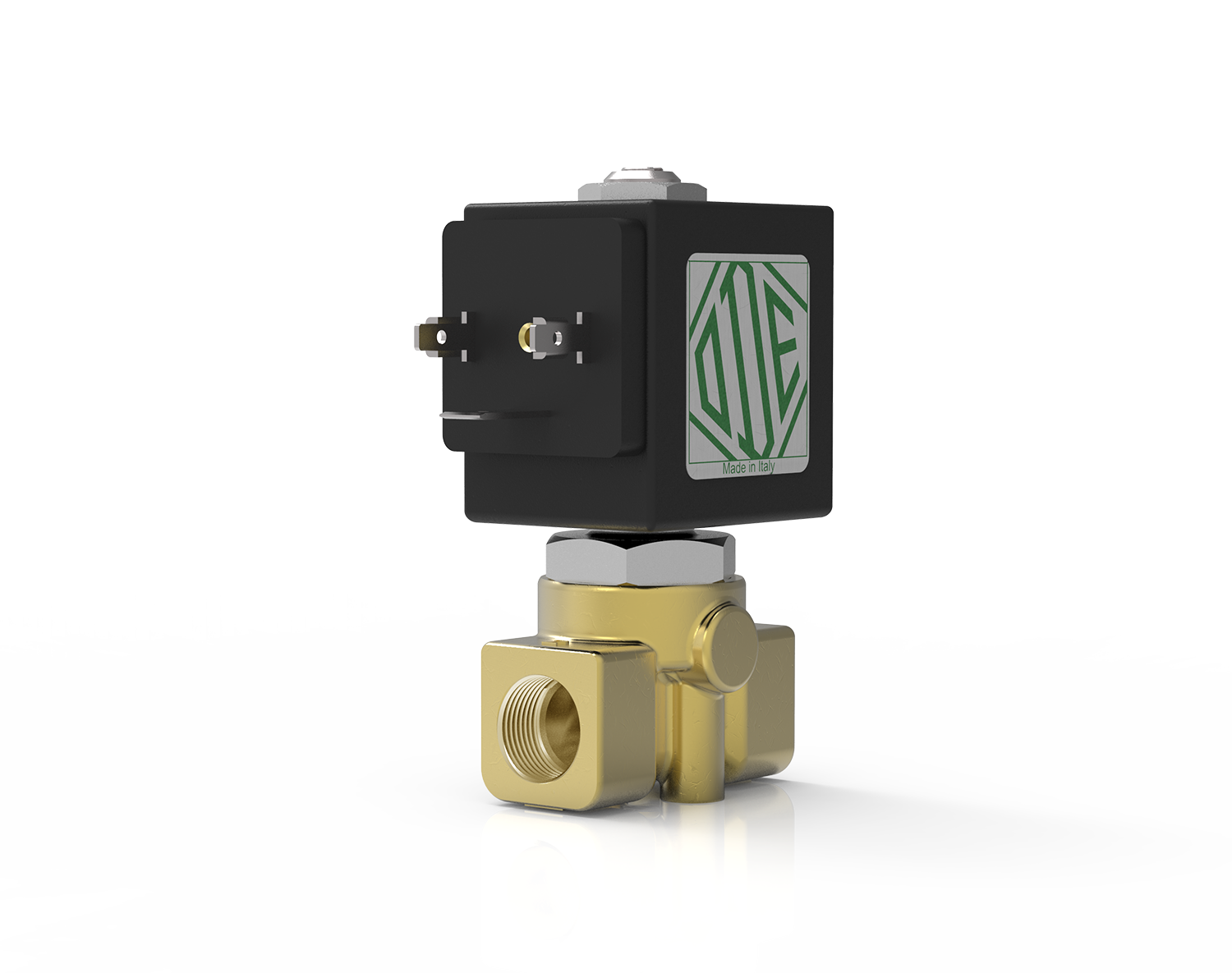
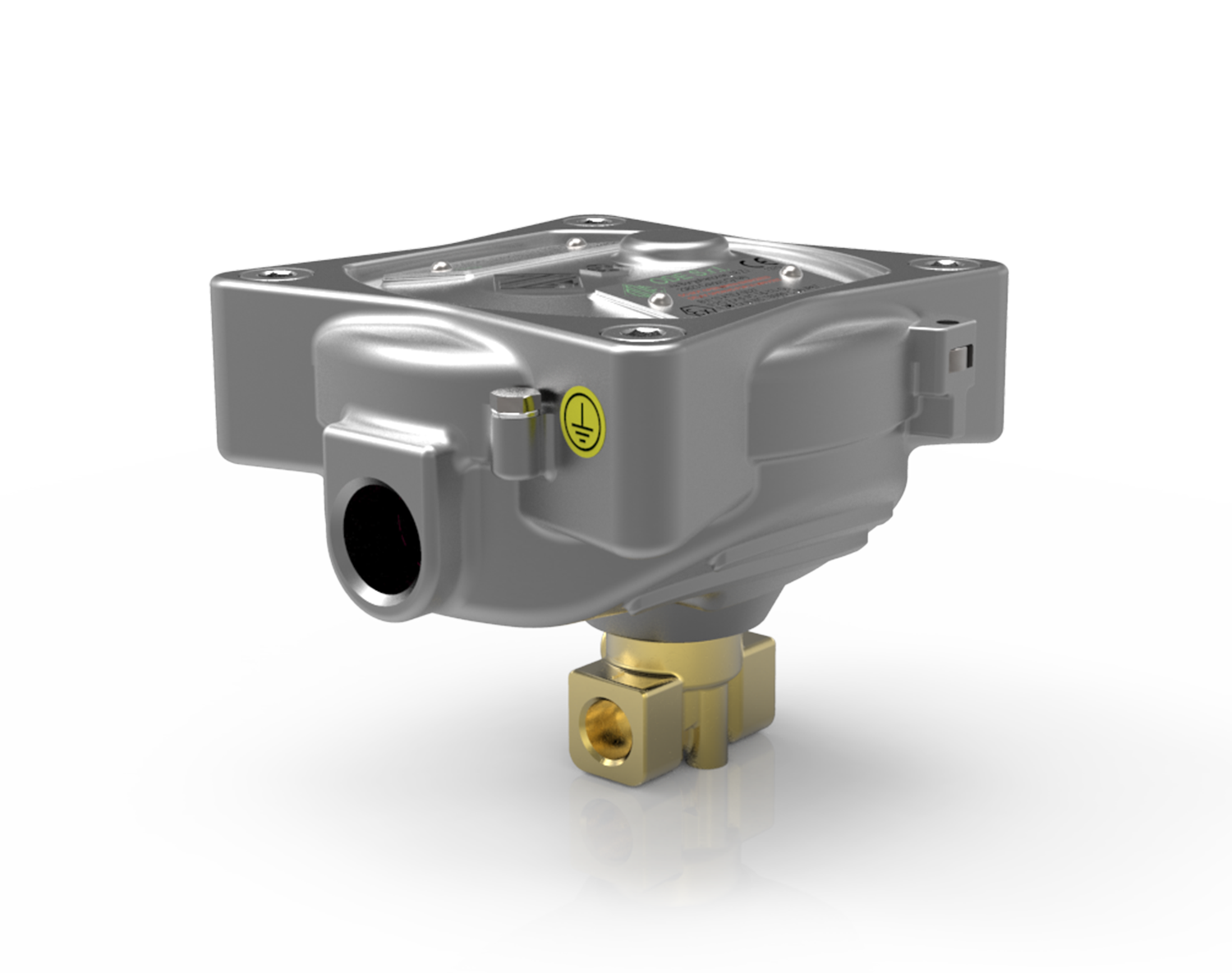
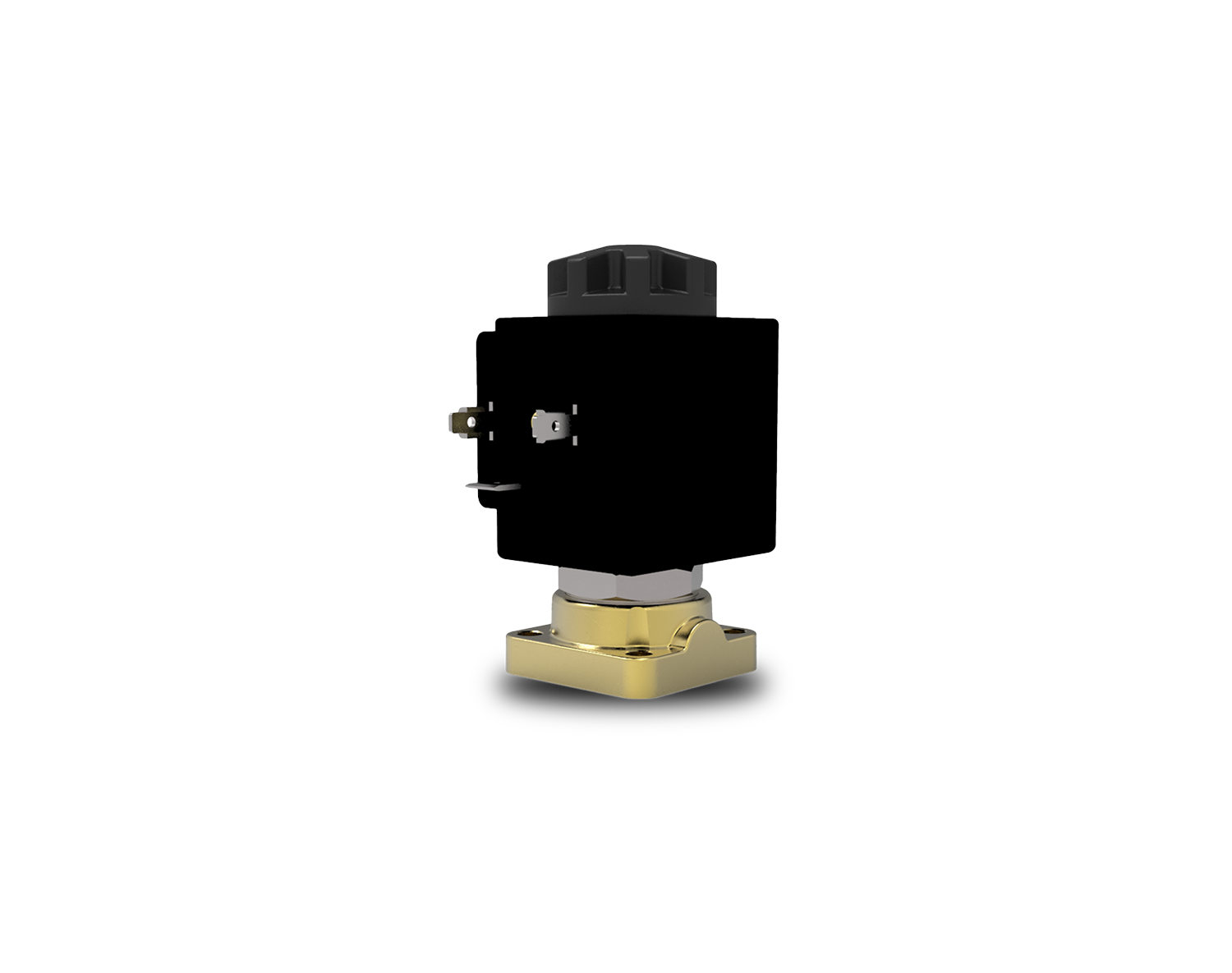
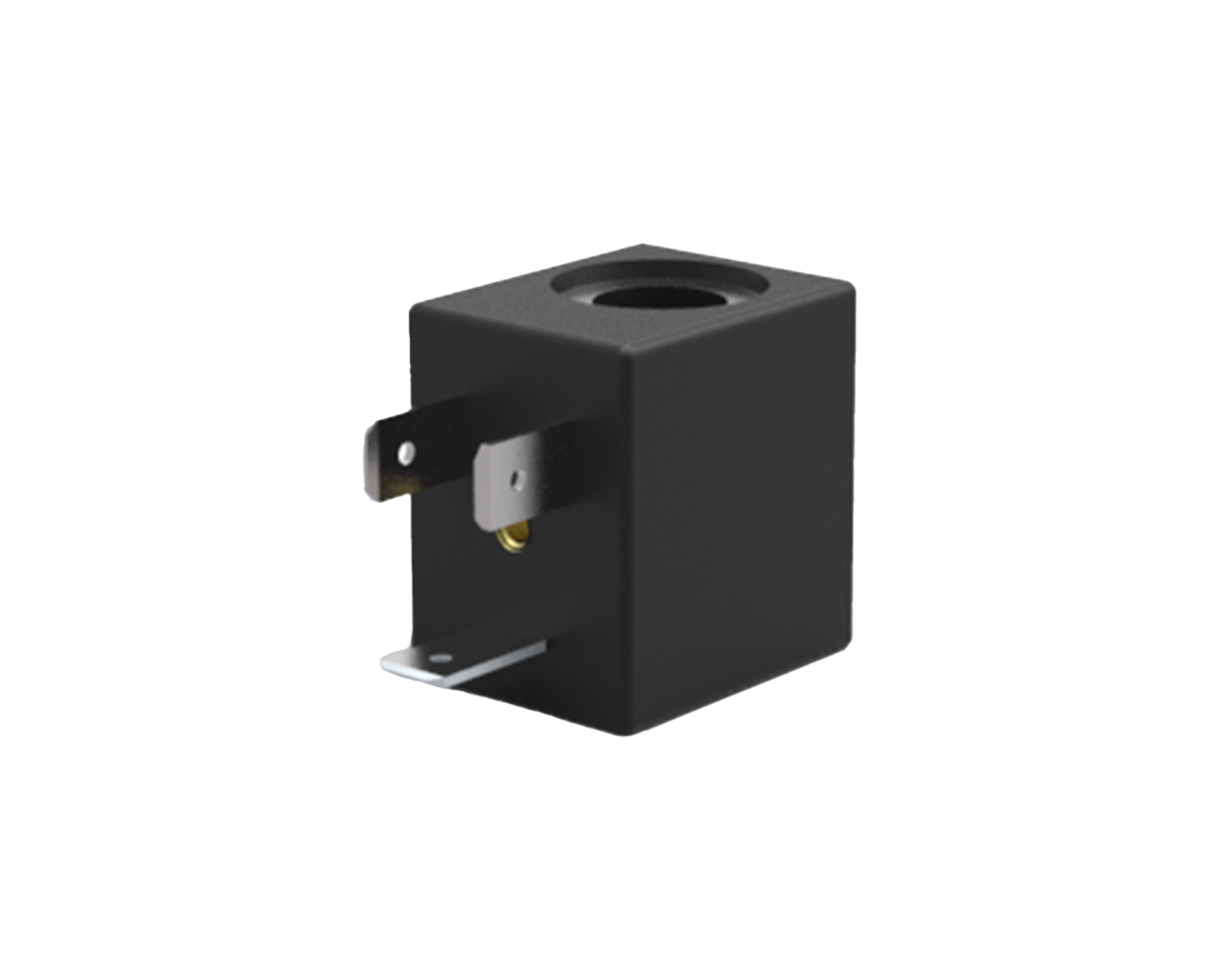
Fire valve _

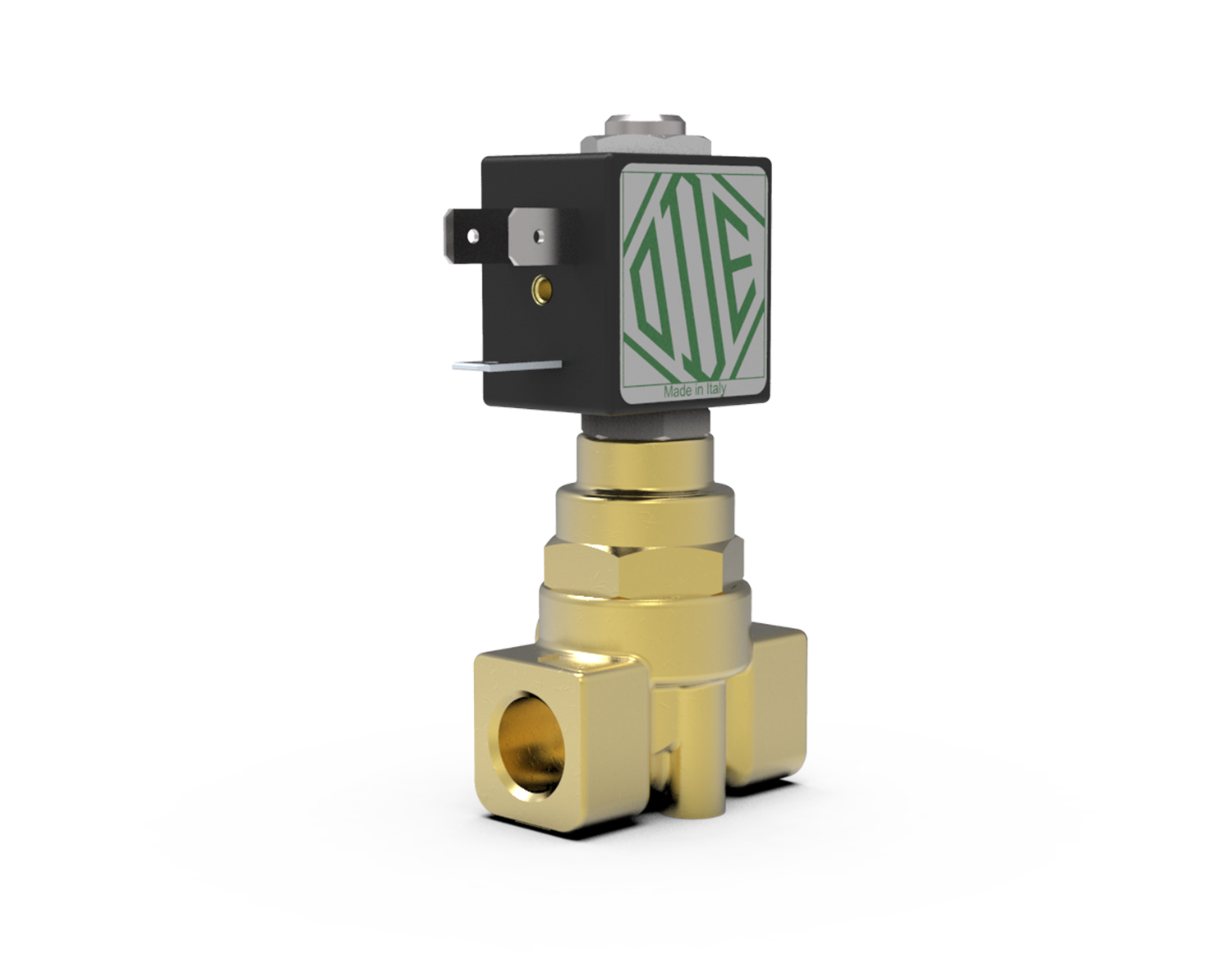
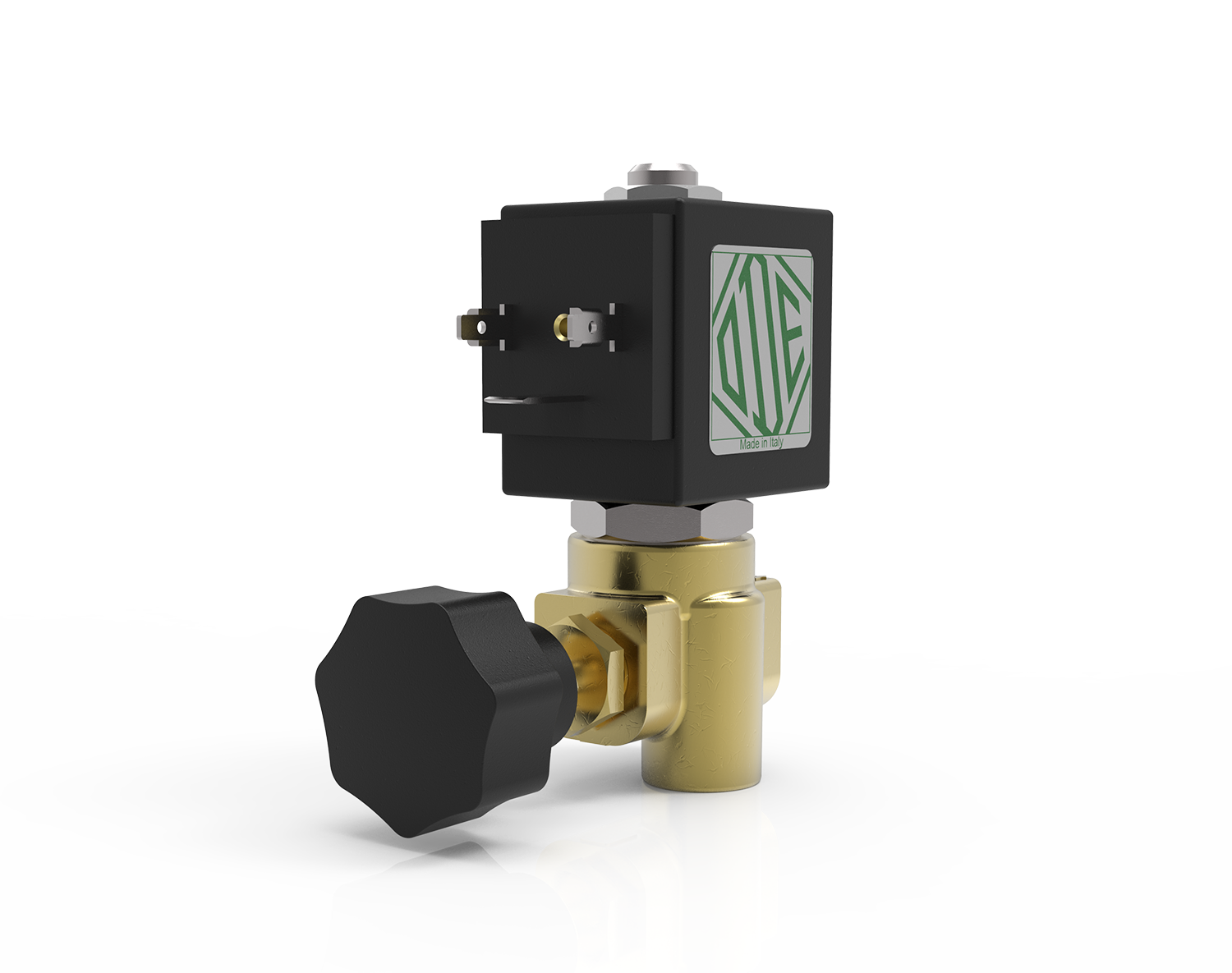
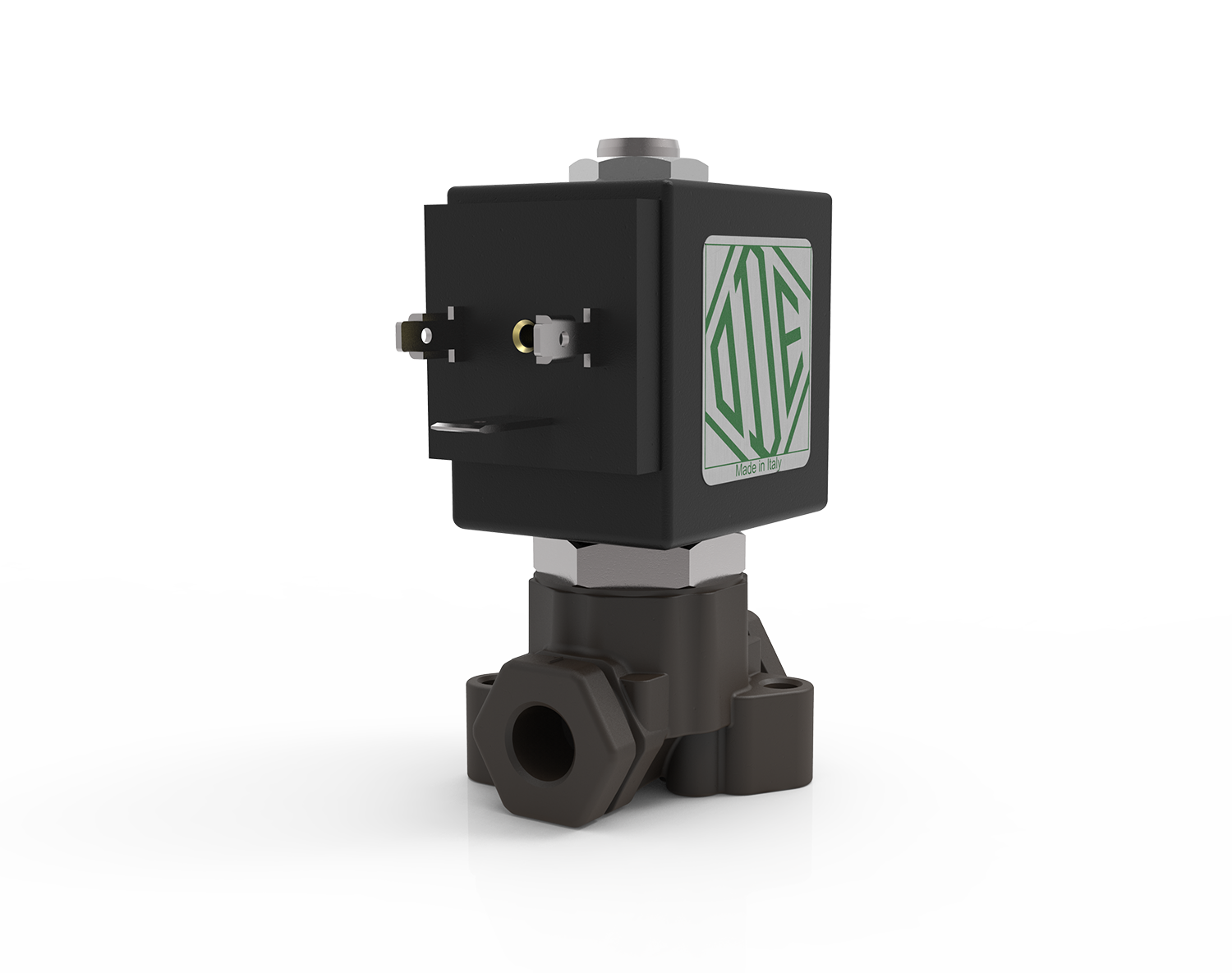
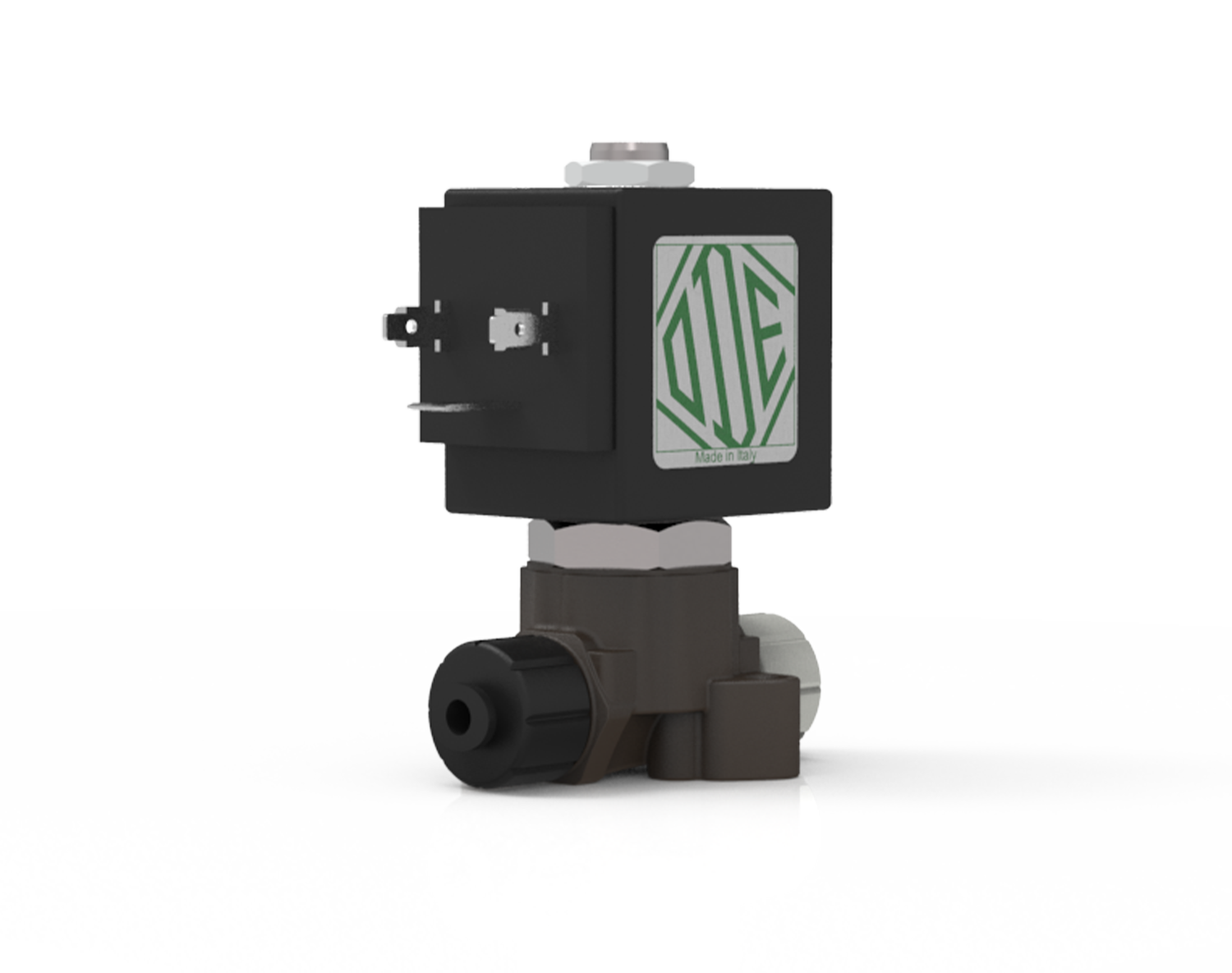
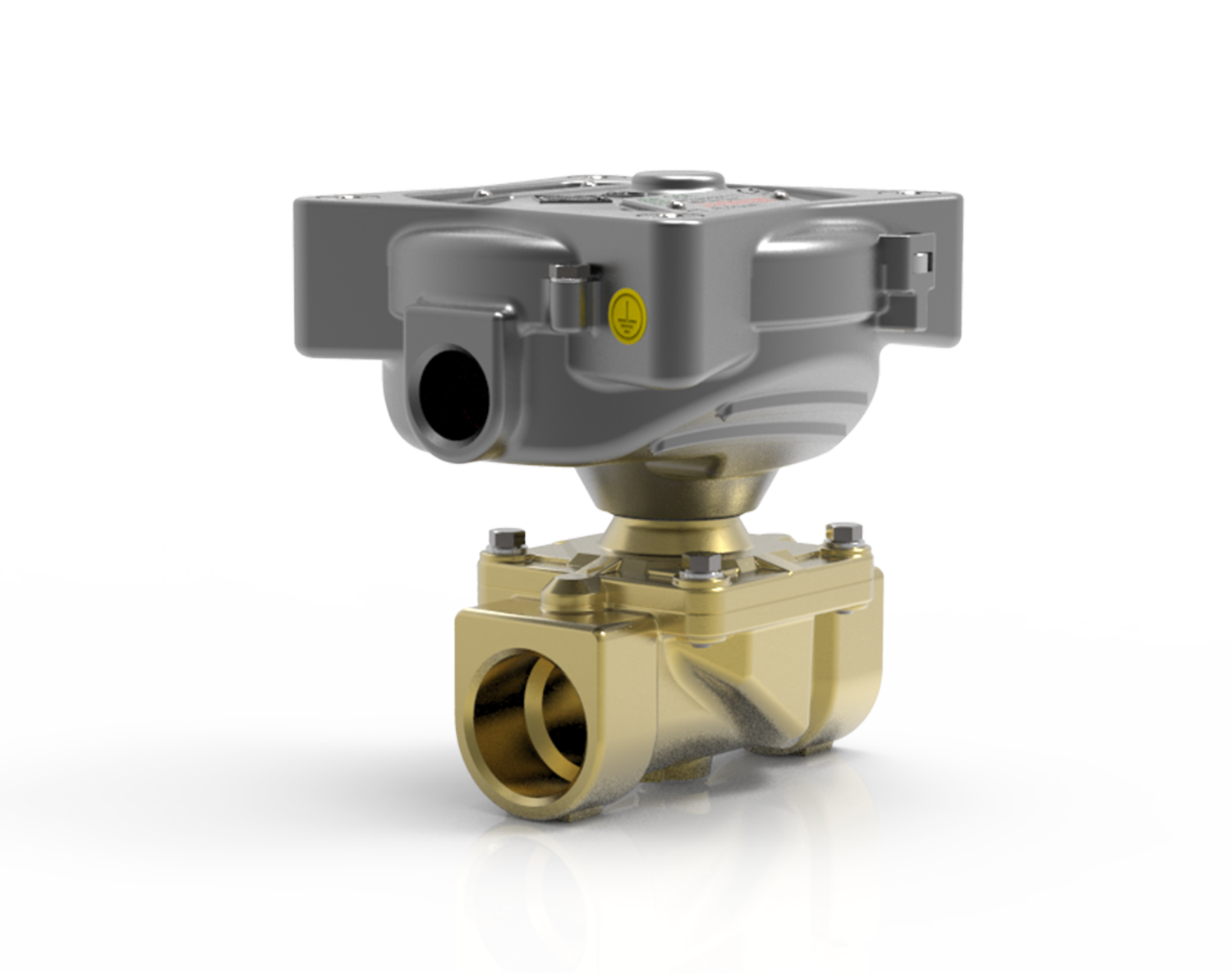
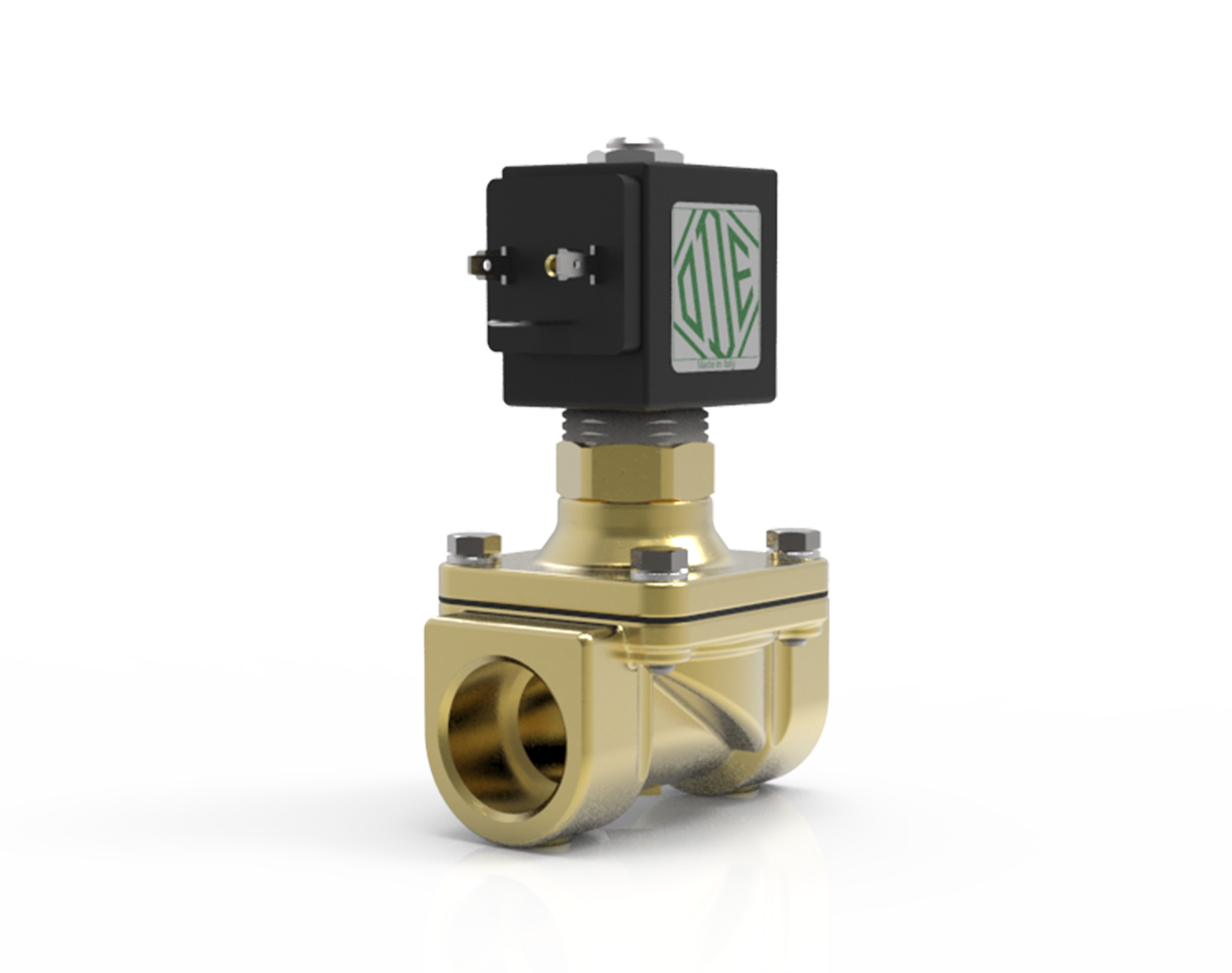
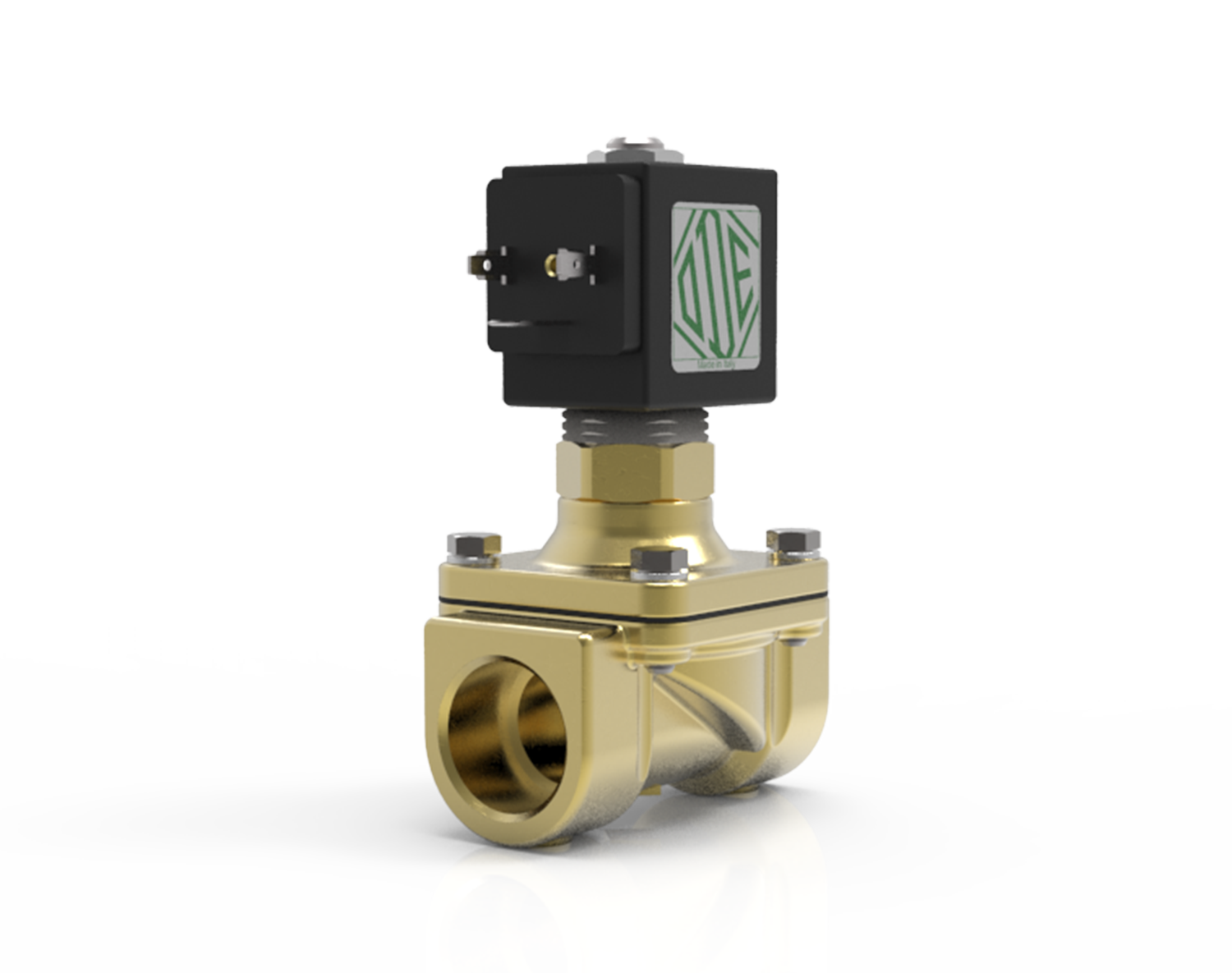
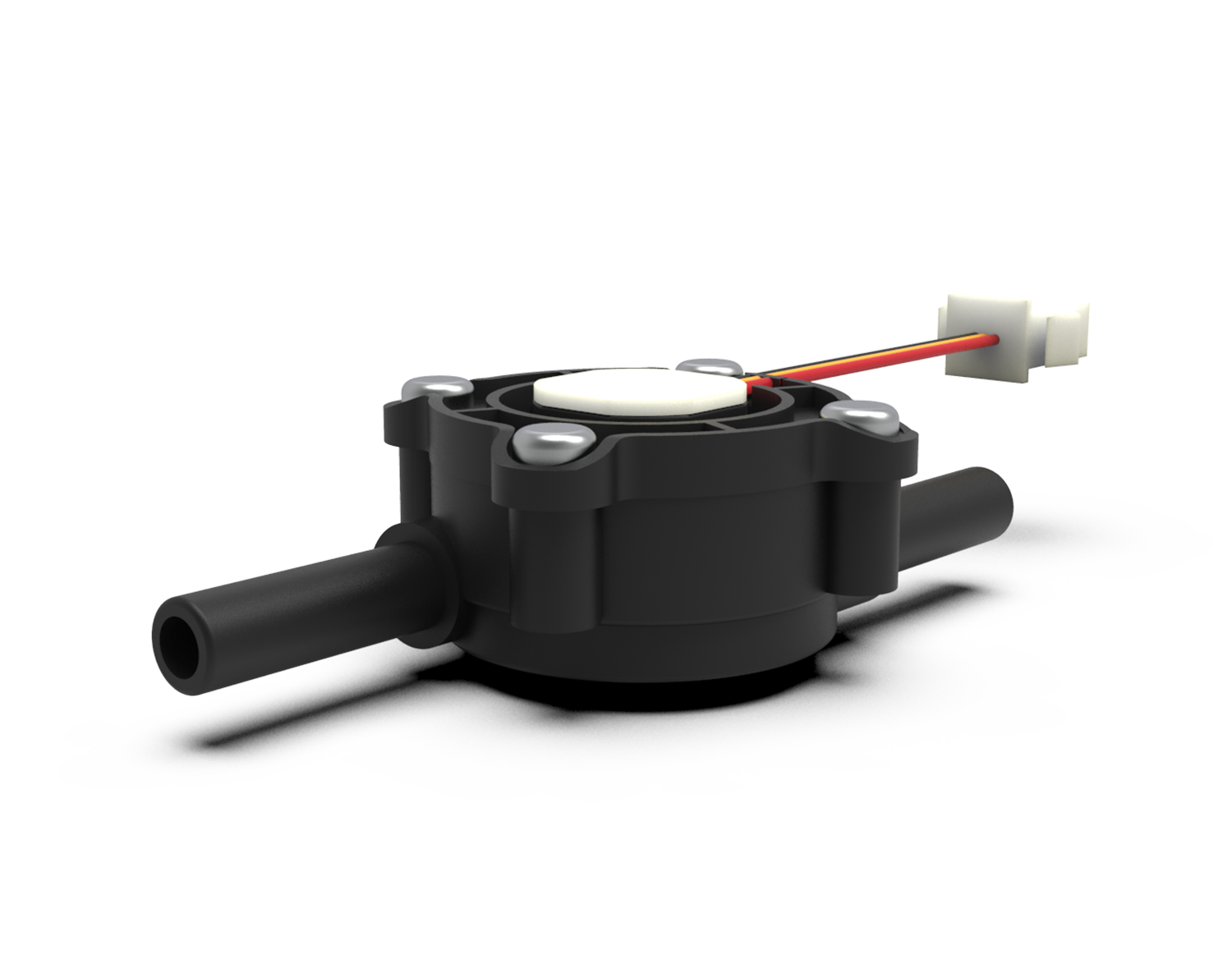
Fire valves are essential devices in active fire protection systems. Designed to control and manage the flow of water or other extinguishing agents, they ensure the utmost safety in buildings and industrial plants. Their reliability and accuracy are critical to an effective response in emergency situations.

Series

21 ALB

Multi Purpose

OPERATION

Direct-acting

TYPE

2/2 way NC

Series

21A

Air

OPERATION

Direct-acting

TYPE

2/2 way NC, 2/2 way NO

Series

21A Ex m – Ex d

Air

OPERATION

Direct-acting

TYPE

2/2 way NC, 2/2 way NO

Series

21A High Pressure

Air

OPERATION

Direct-acting

TYPE

2/2 way NO, 2/2 way NC

Series

21A NSF

Coffee

OPERATION

Direct-acting

TYPE

2/2 way NO, 2/2 way NC

Series

21A Proportional Version

Air

OPERATION

Direct-acting

TYPE

2/2 way NC

Series

21A-OX

Air

OPERATION

Direct-acting

TYPE

2/2 way NC, 2/2 way NO

Series

21A-PW

Air

OPERATION

Indirect acting

TYPE

2/2 way NO

Series

21A16

Air

OPERATION

Direct-acting

TYPE

2/2 way NC

Series

21ALB 

General Purpose

OPERATION

Direct-acting

TYPE

2/2 way NC

Series

21AP

Air

OPERATION

Direct-acting

TYPE

2/2 way NC

Series

21AP Proportional

Air

OPERATION

Direct-acting

TYPE

2/2 way NC

Series

21AP Push-In

Air

OPERATION

Direct-acting

TYPE

2/2 way NC

Series

21APB

Air

OPERATION

Direct-acting

TYPE

2/2 way NC

Series

21D-K

Air

OPERATION

Direct-acting

TYPE

2/2 way NC

Series

21H

Air

OPERATION

Combined Acting

TYPE

-

Series

21H-EN

Air

OPERATION

Indirect acting

TYPE

2/2 way NC

Series

21HT-HN Ex d

Air

OPERATION

Combined Acting

TYPE

2/2 way NC

Series

21HT-HN-HF

Air

OPERATION

Combined Acting

TYPE

2/2 way NC

Series

21HT-OX

Air

OPERATION

Combined Acting

TYPE

2/2 way NC, 2/2 way NO

Fire valve operation

Fire valves regulate the passage of fluids inside the extinguishing systems. Their opening and closing mechanism can be activated manually, automatically or in combination with fire detection systems.

  • Manual activation: operated by qualified personnel using levers or steering wheels.
  • Automatic activation: integrated with temperature or pressure sensors that activate the valve when a predetermined threshold is exceeded.
  • Combined systems: they work both manually and automatically to ensure greater safety.

Once activated, the valves allow the flow of extinguishing agent (water, foam or inert gas) to the areas affected by the fire, ensuring rapid and effective intervention.

Fire valves may vary depending on their function and the type of system in which they are installed. The main types include:

Control valves: They regulate the pressure and flow of water in fire-fighting systems.

Alarm valves: They activate an audible or visual signal in the event of an emergency.

Non-return valves: They prevent the backflow of fluid to keep the system under pressure.

Deluge valves: Used in deluge systems, they allow the immediate release of large quantities of extinguishing agent.

Pressure relief valves: They keep the water pressure within safe levels to avoid damage to the system.

Our Fire Valves

AD72

Flowmeters  

Coffee

Fluidic System

Dynamic Pressure System – DPS

Water

High Pressure

Flowmeters high pressure

Coffee

Series

21KP

Air

OPERATION

Direct-acting

TYPE

2/2 way NO, 2/2 way NC

Explosion Proof Coils ATEX

TNA Series – Ex mb

Air

Explosion Proof Coils ATEX

L Series – Ex nA

Air