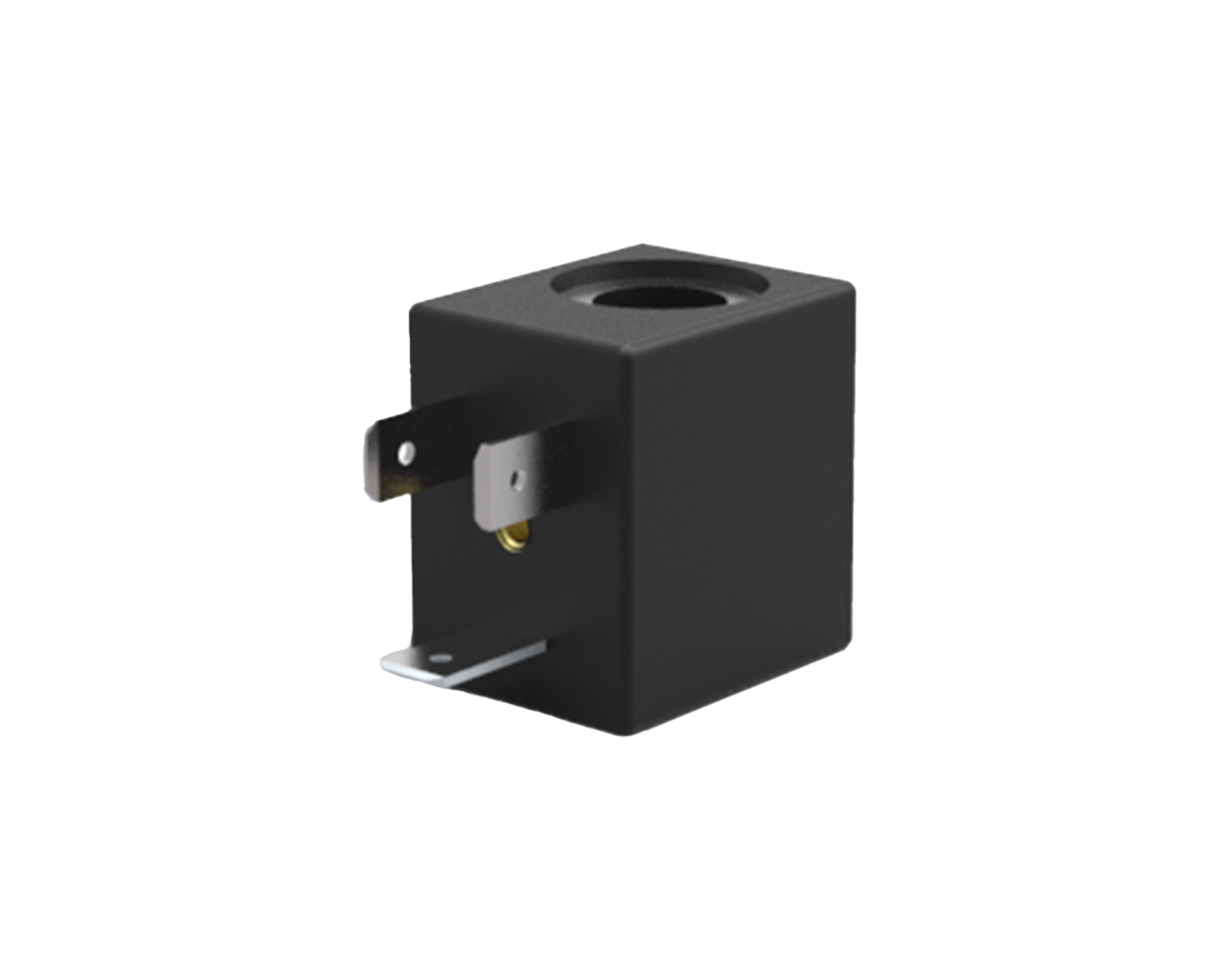
Medical valve _
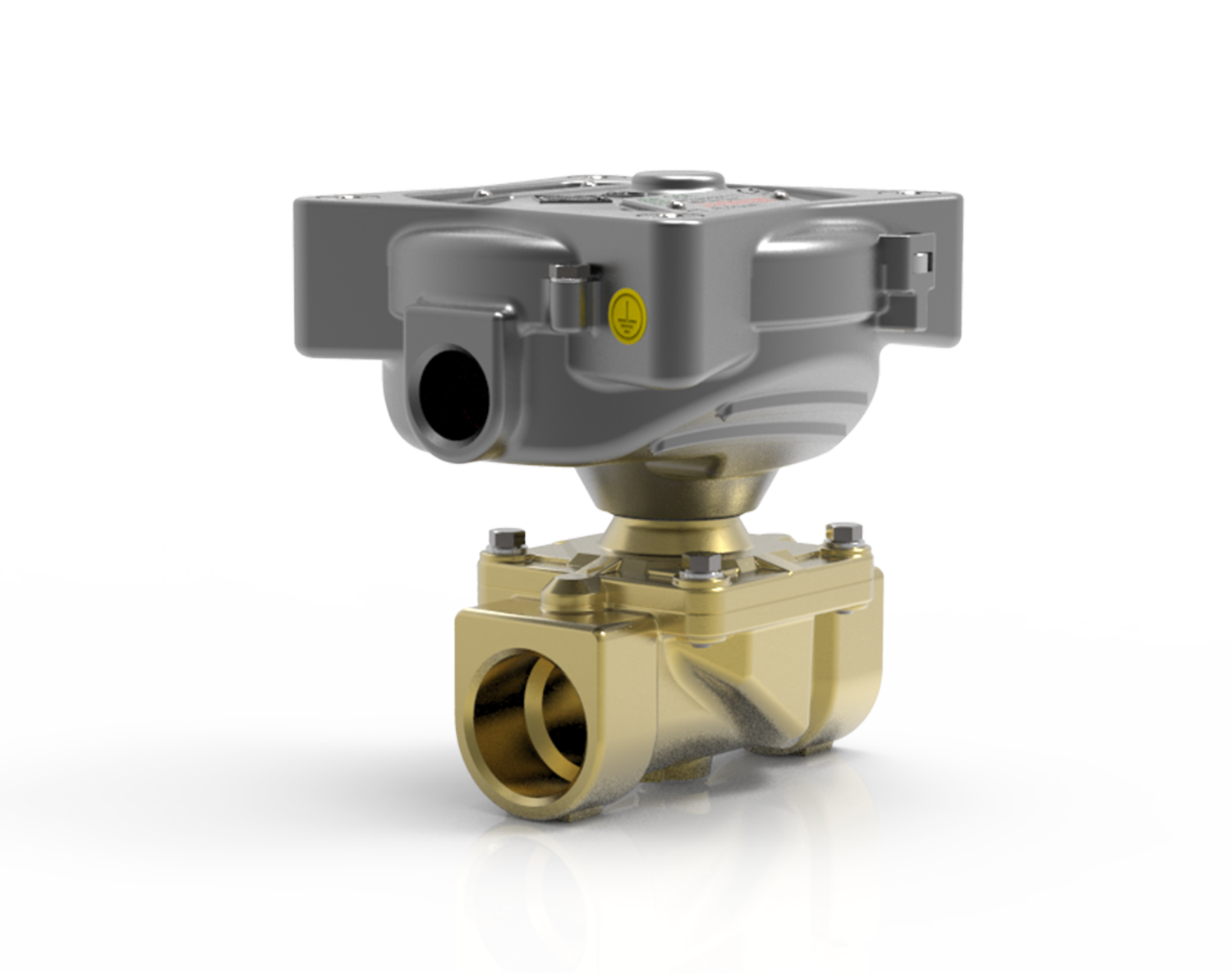
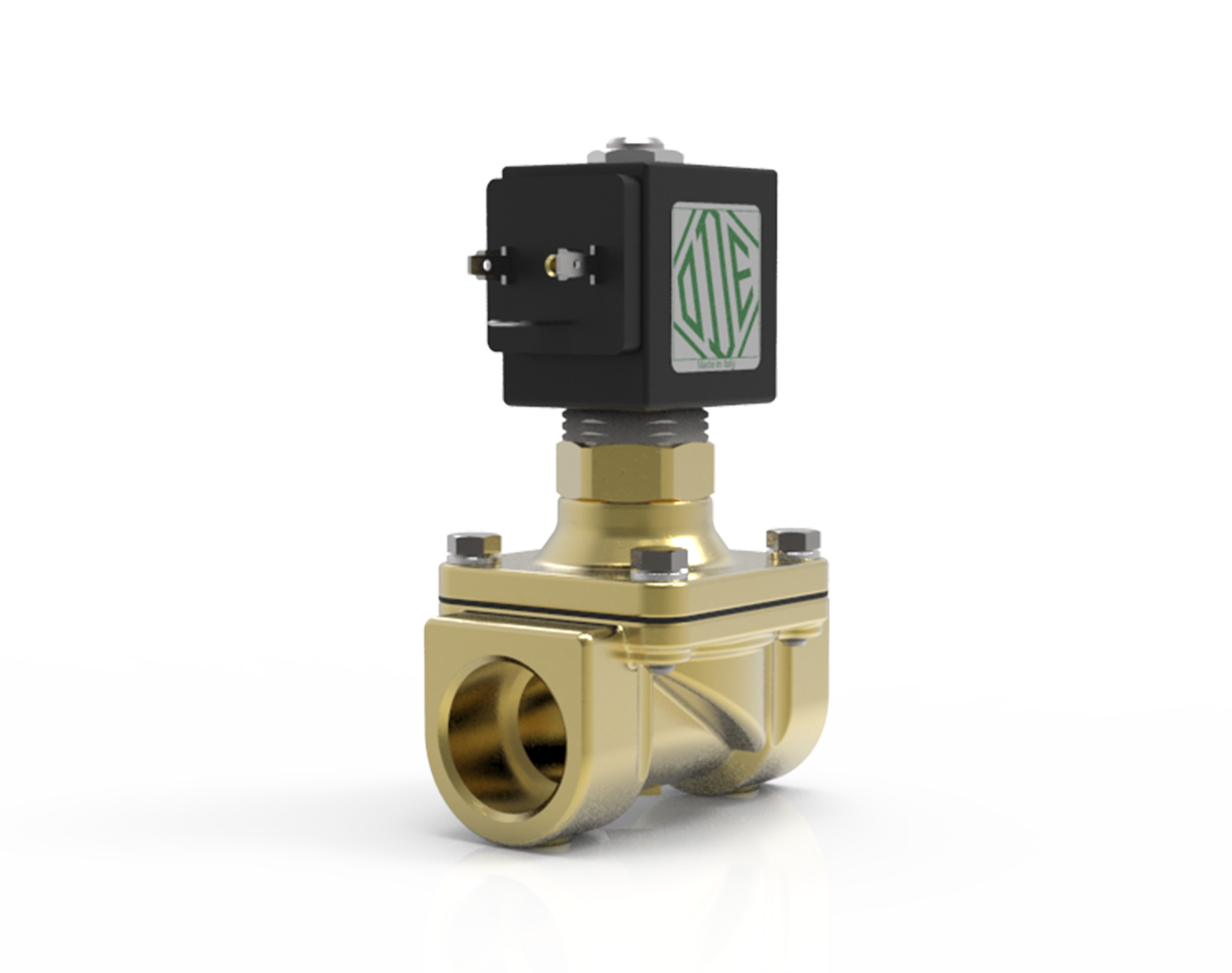
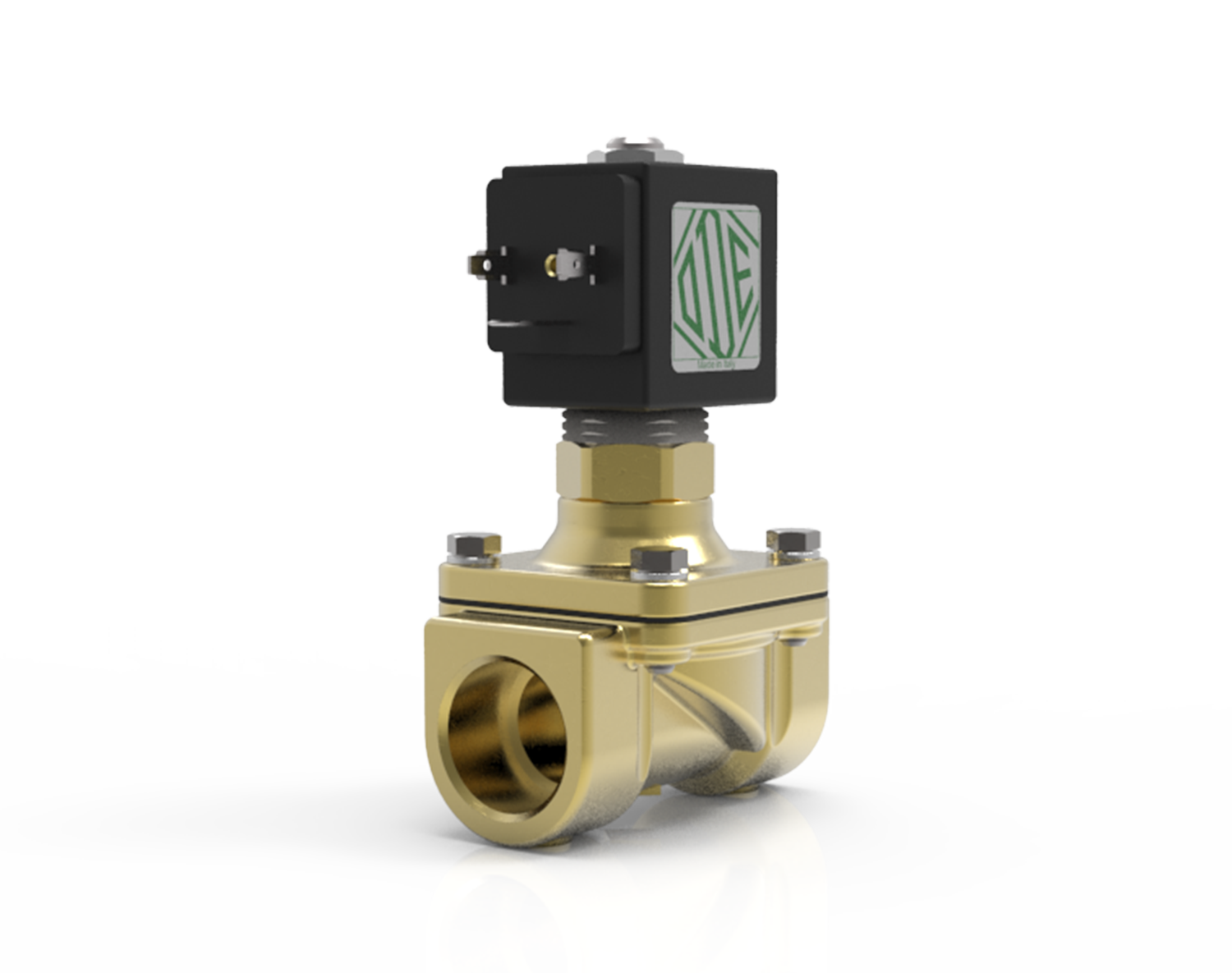
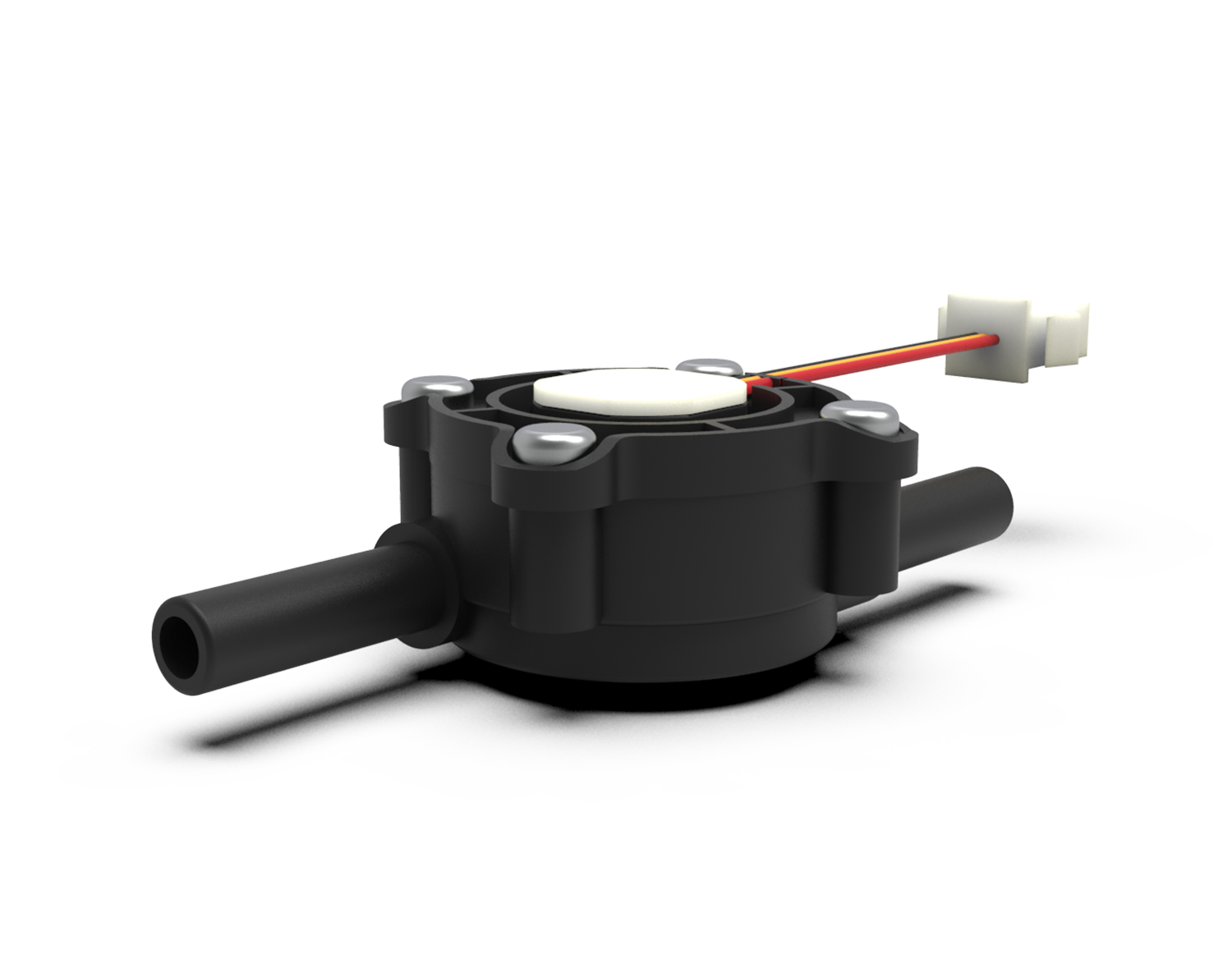
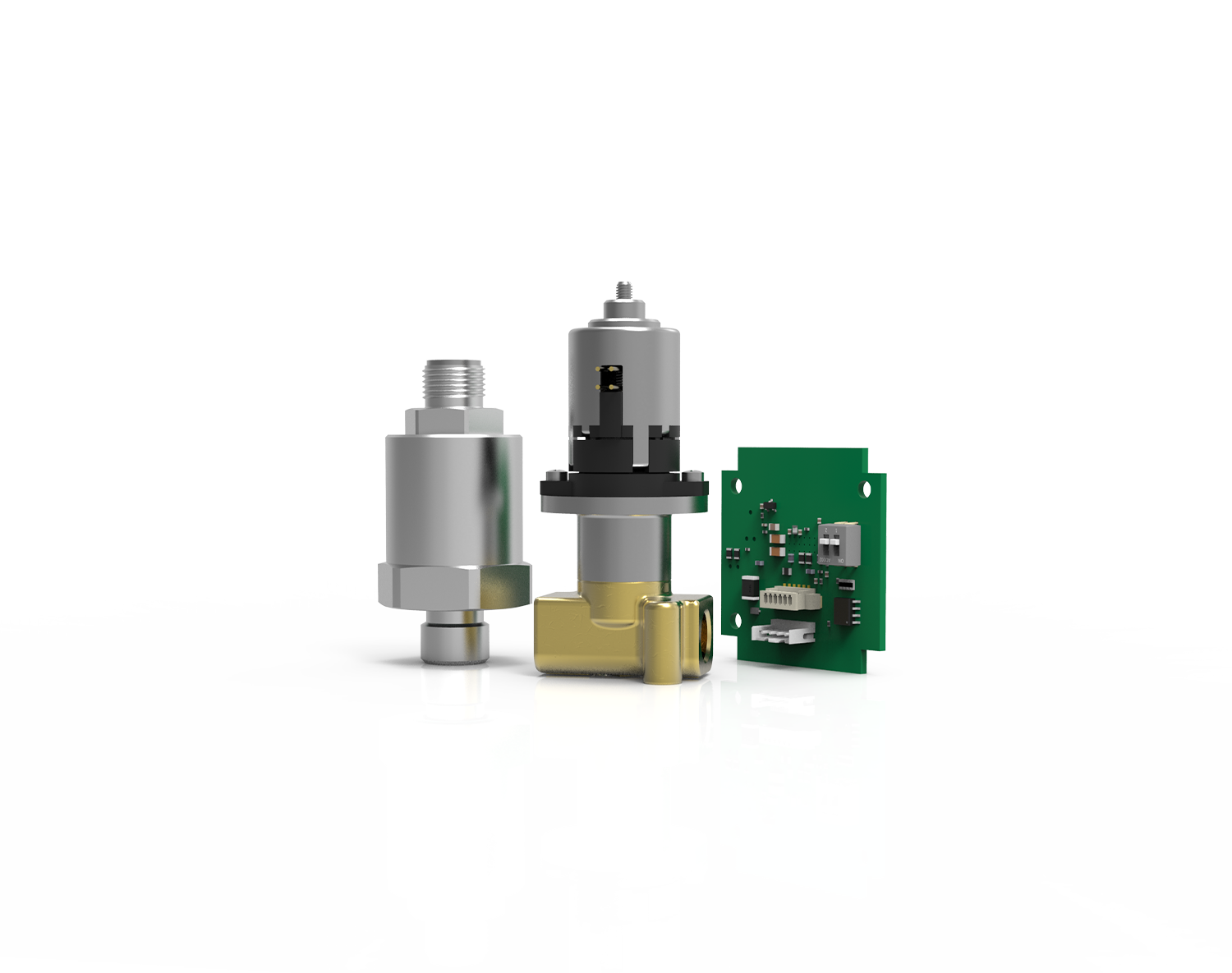
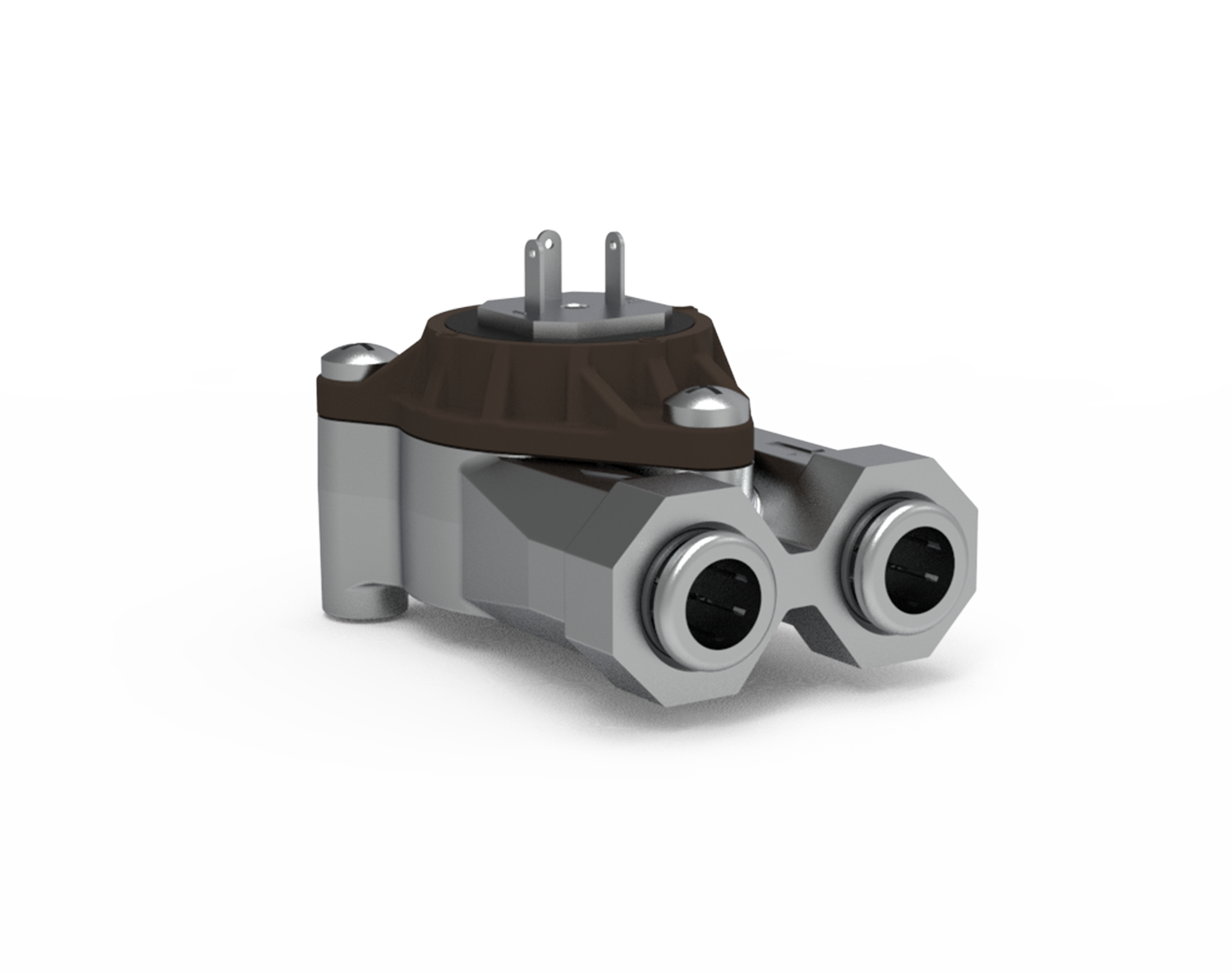
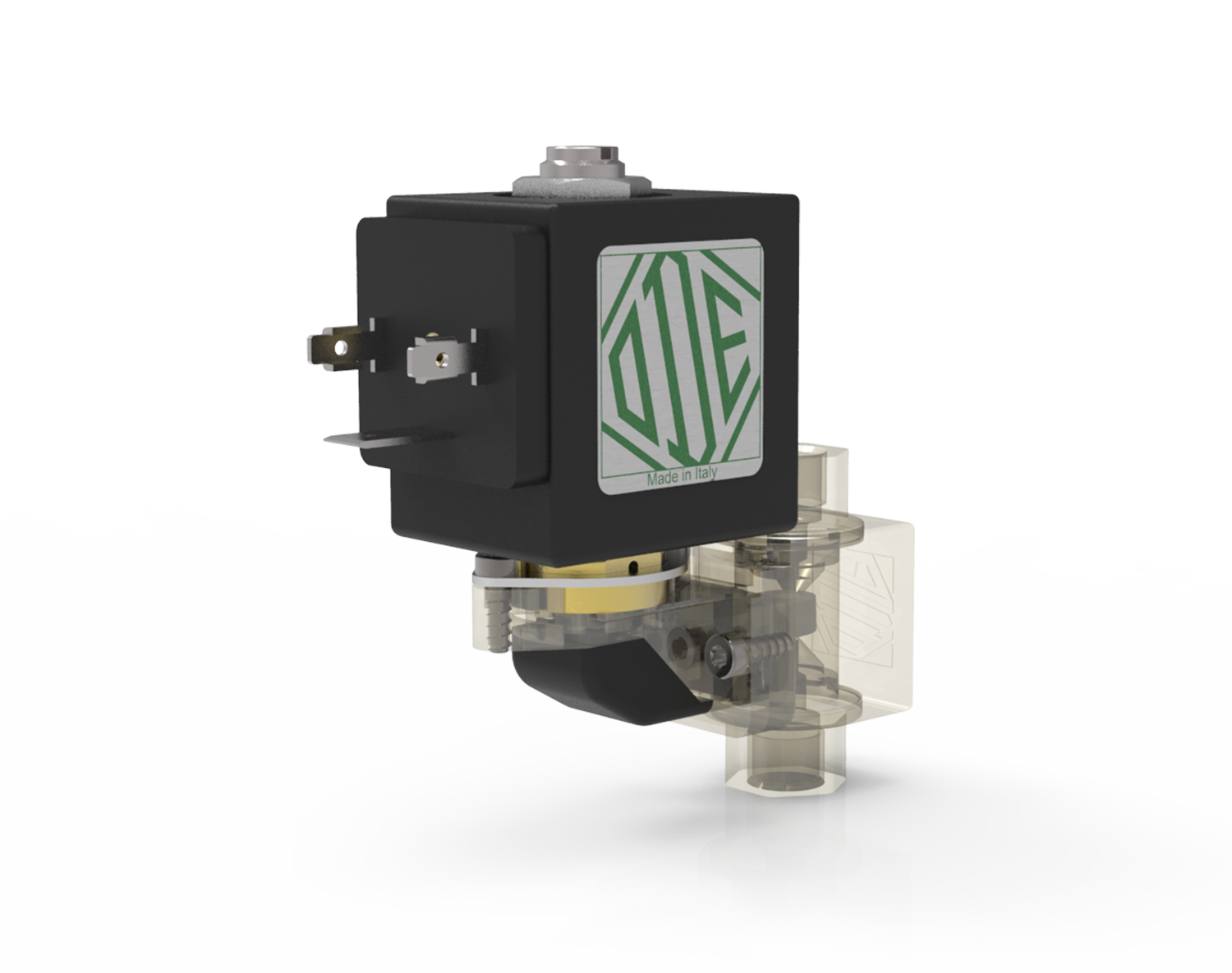
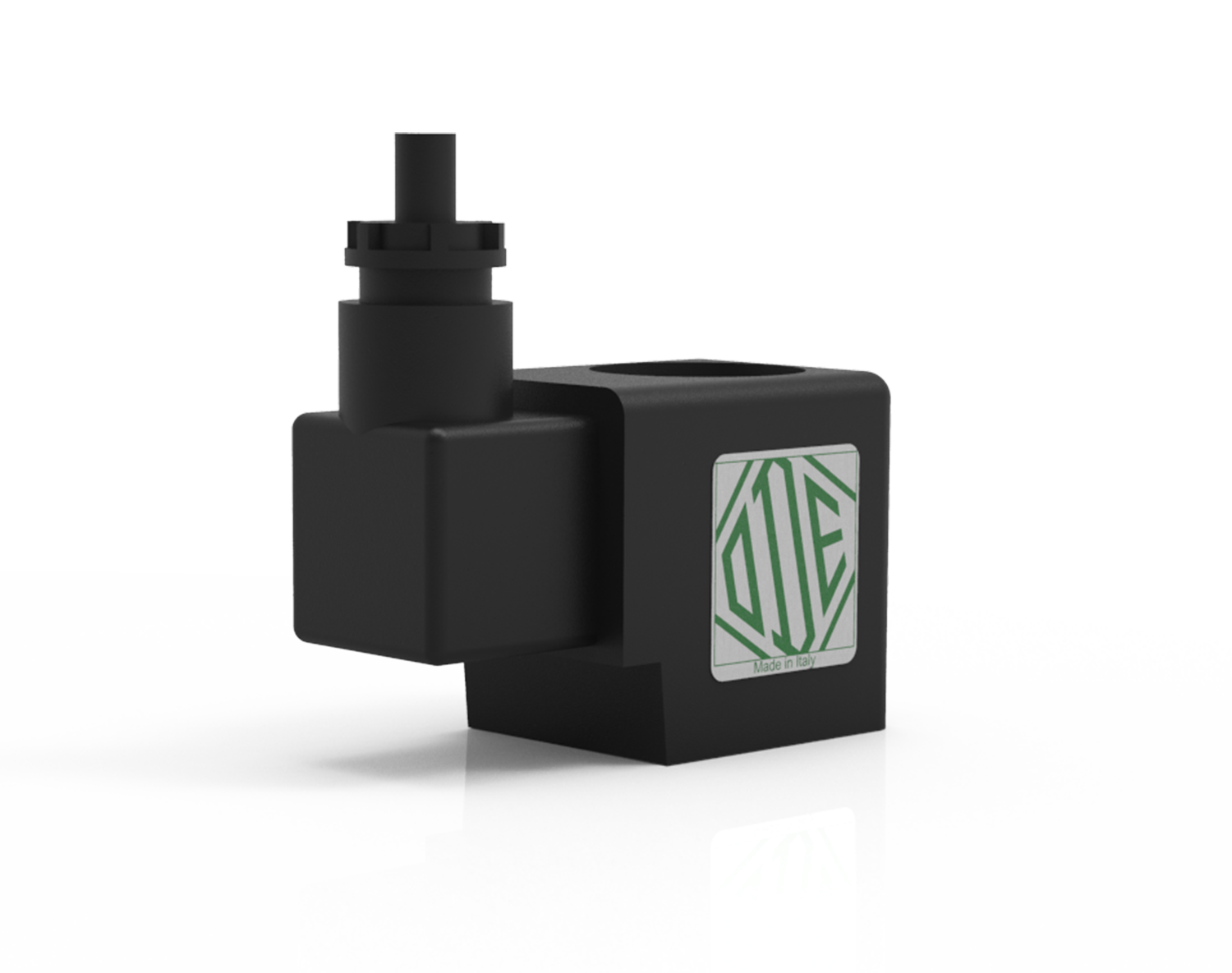
Medical valves are essential devices designed to accurately and reliably manage the flow of fluids and gases in medical systems. Used in highly sensitive environments such as hospitals, clinics and laboratories, these valves ensure maximum safety and constant performance, significantly contributing to therapeutic and diagnostic effectiveness.
Medical valve operation
Medical valves are electromechanical or mechanical devices designed to precisely control the passage of liquids and gases used in healthcare equipment.
- Flow control: they allow precise adjustment of the fluid, ensuring accurate and reliable management.
- Operational safety: prevent any leakage and ensure a safe seal even under high pressure.
- Quick response: immediate opening and closing allows for timely and reliable interventions in medical emergencies.
Medical valves are divided into different categories according to their operation and specific application:
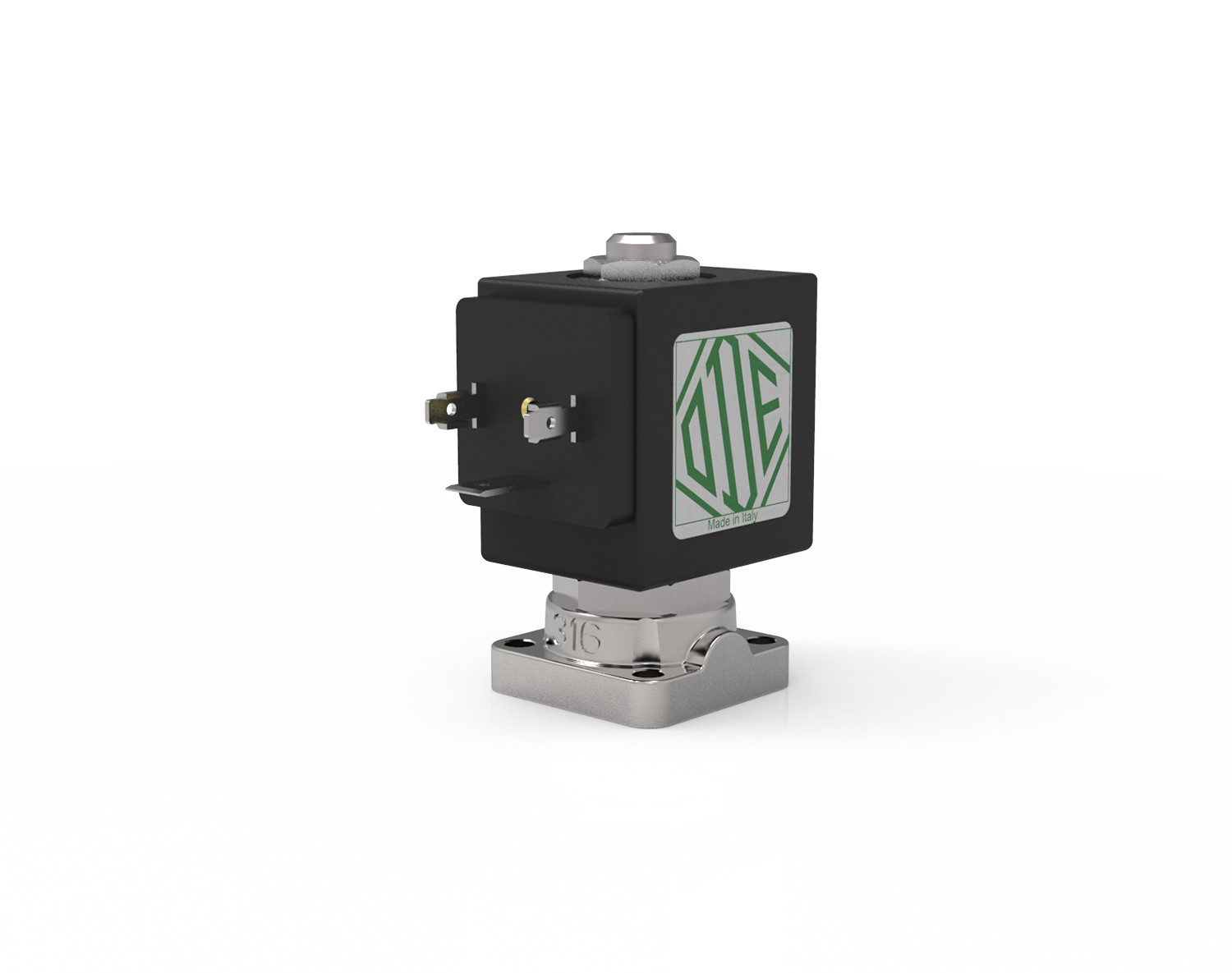
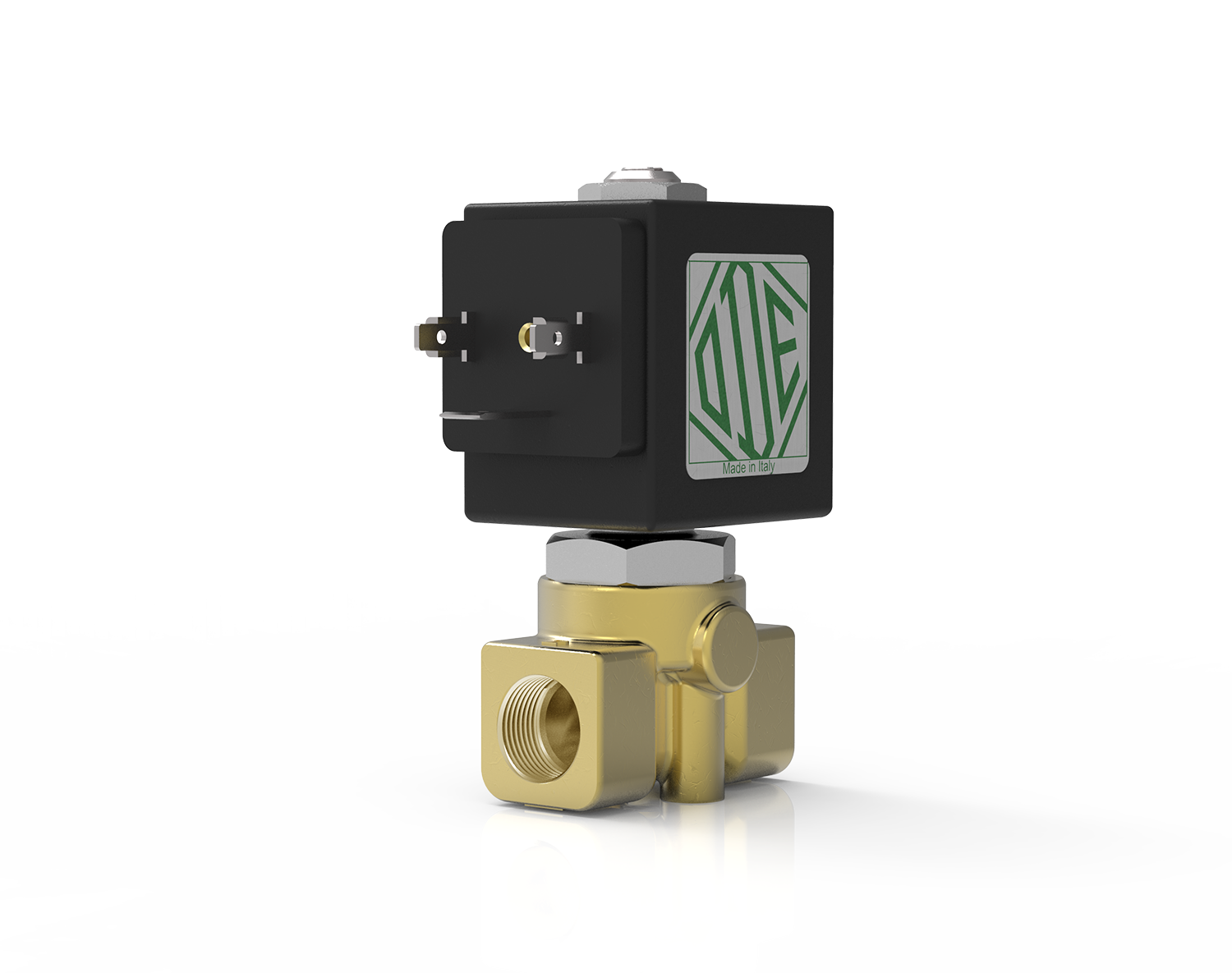
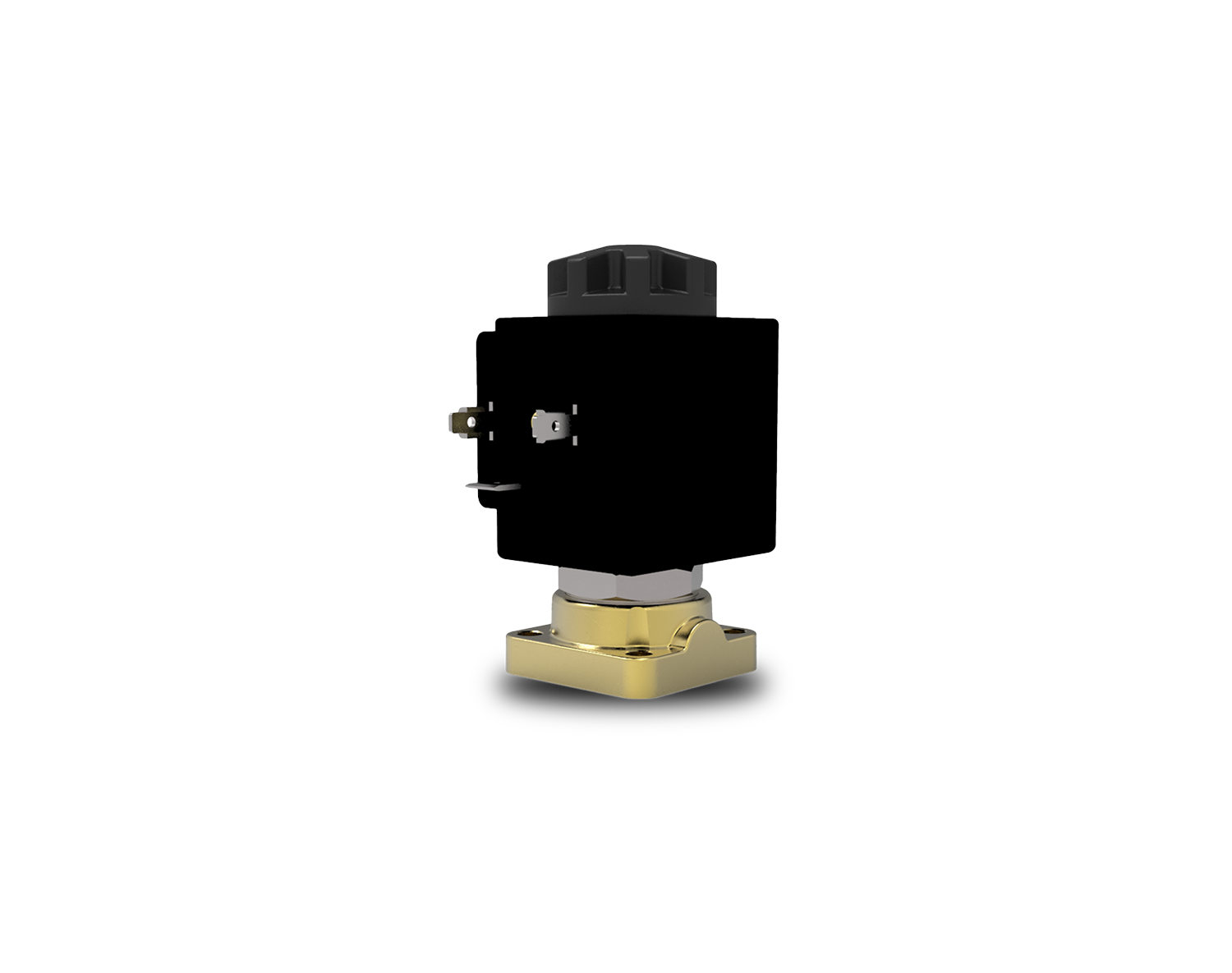
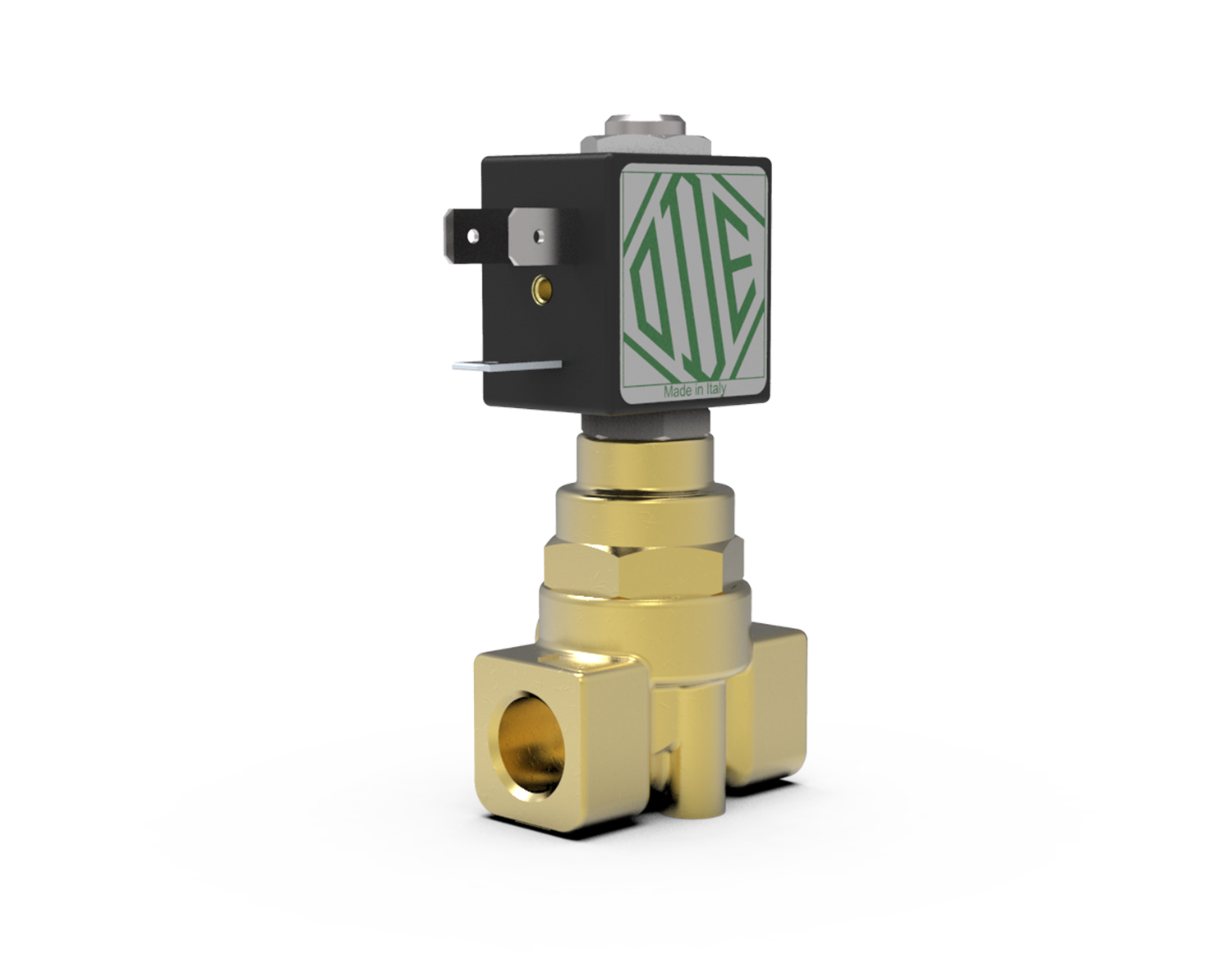
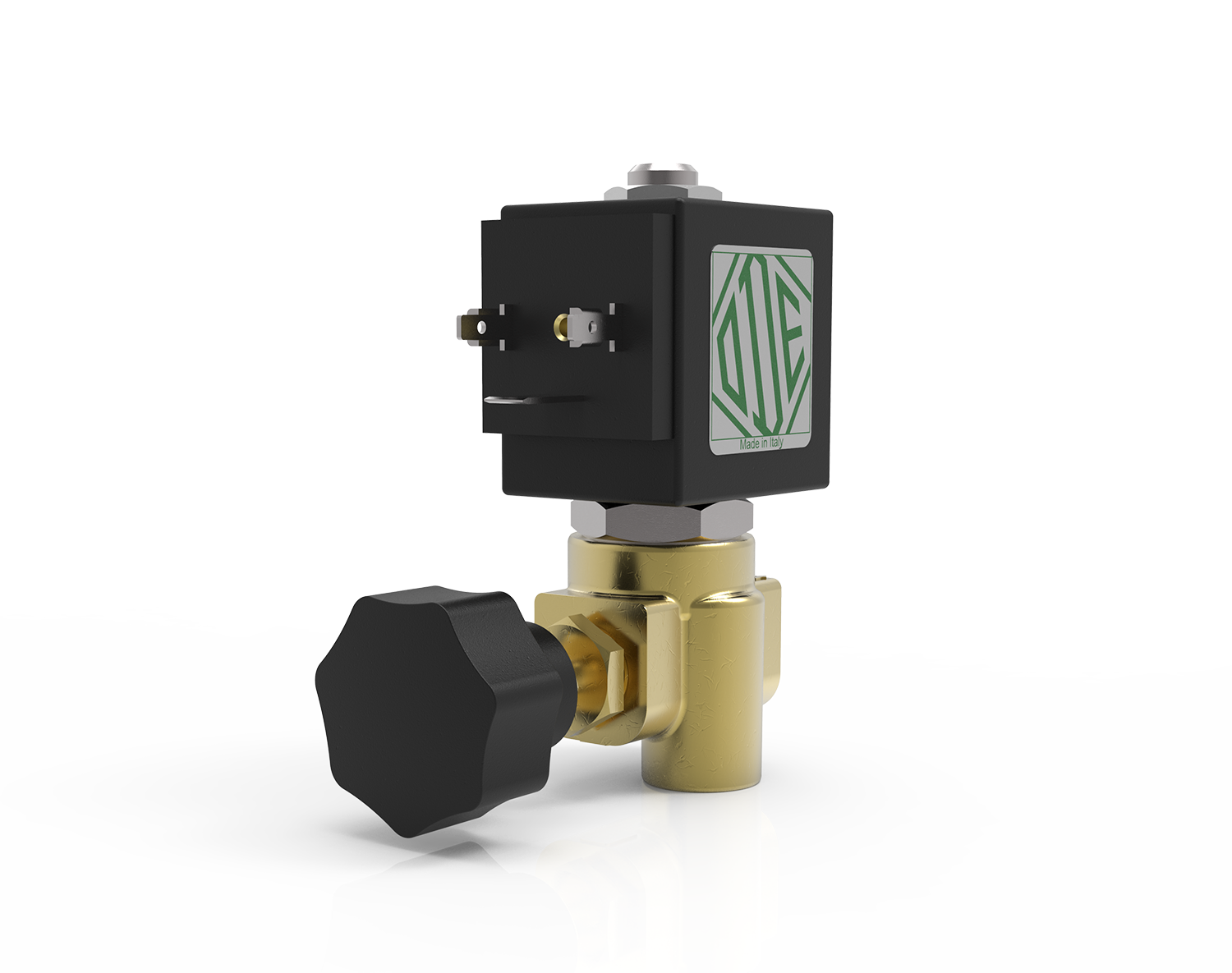
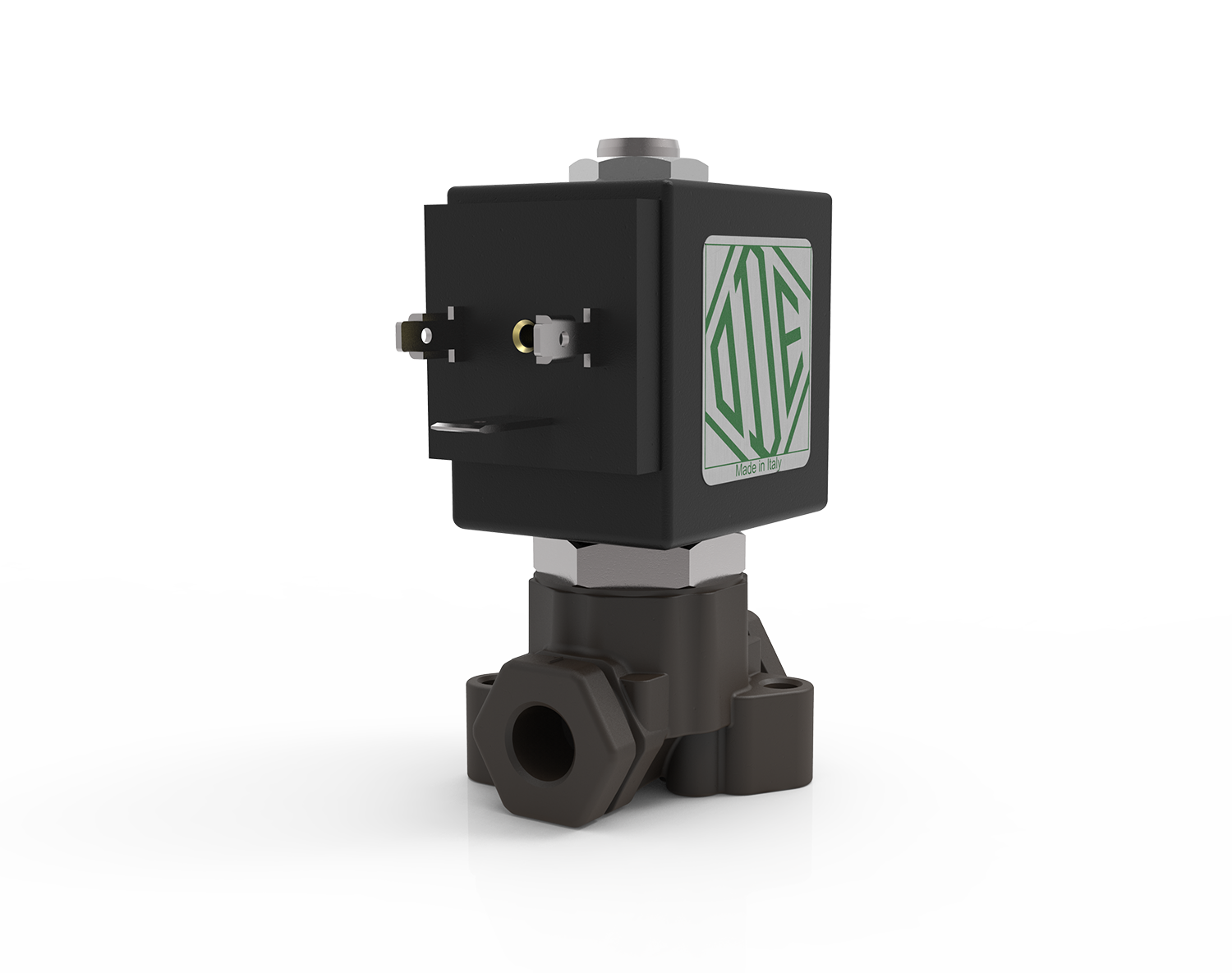
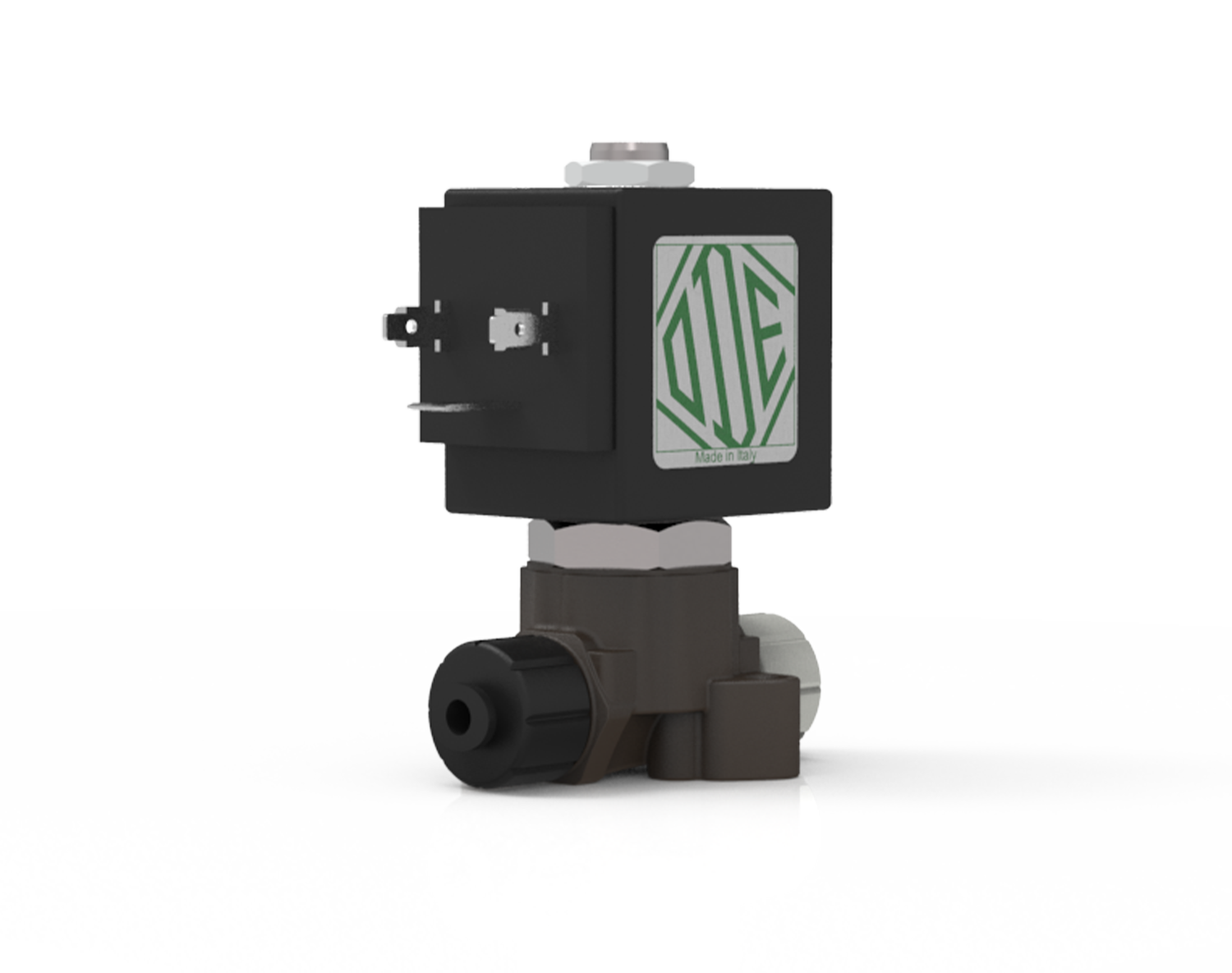
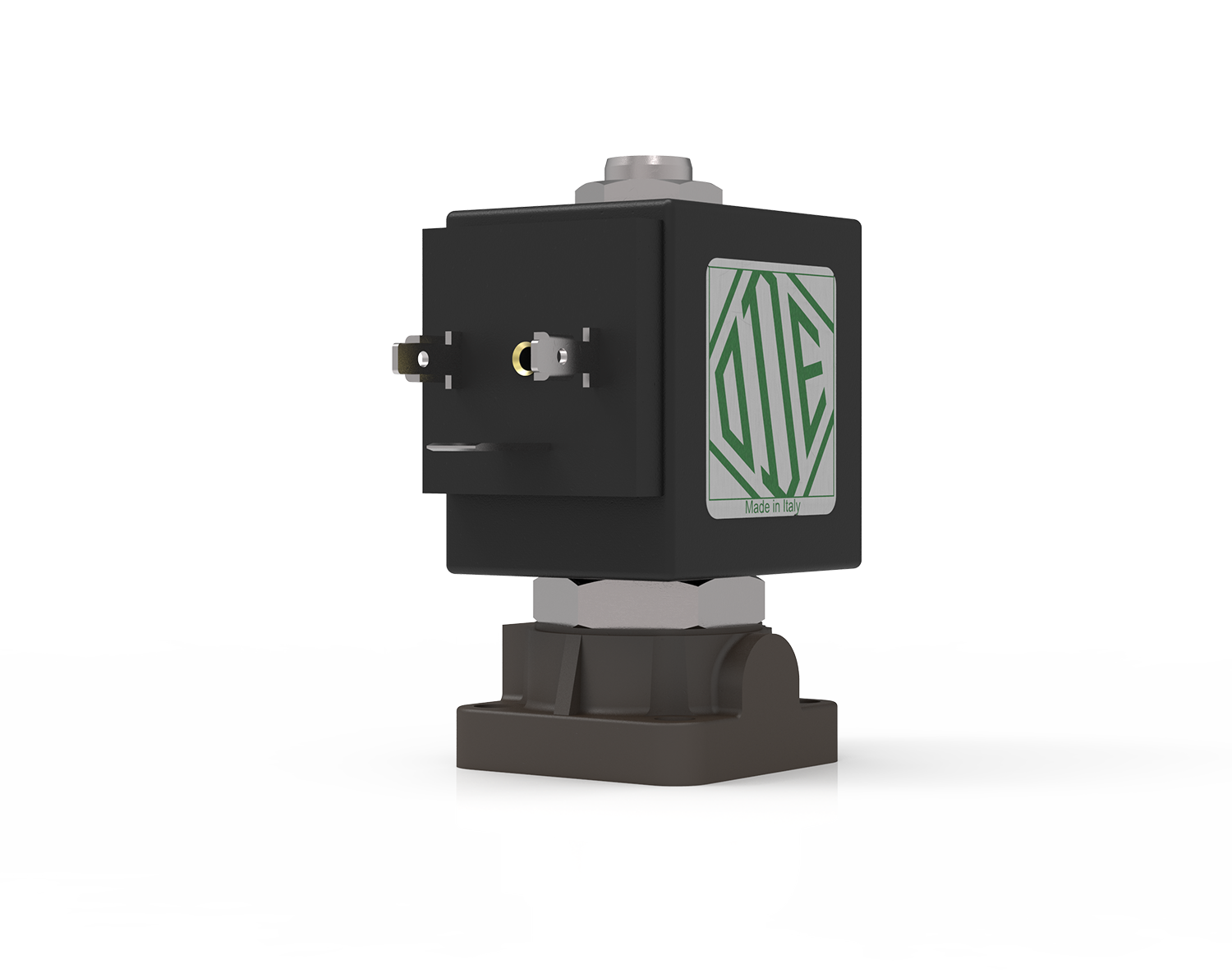
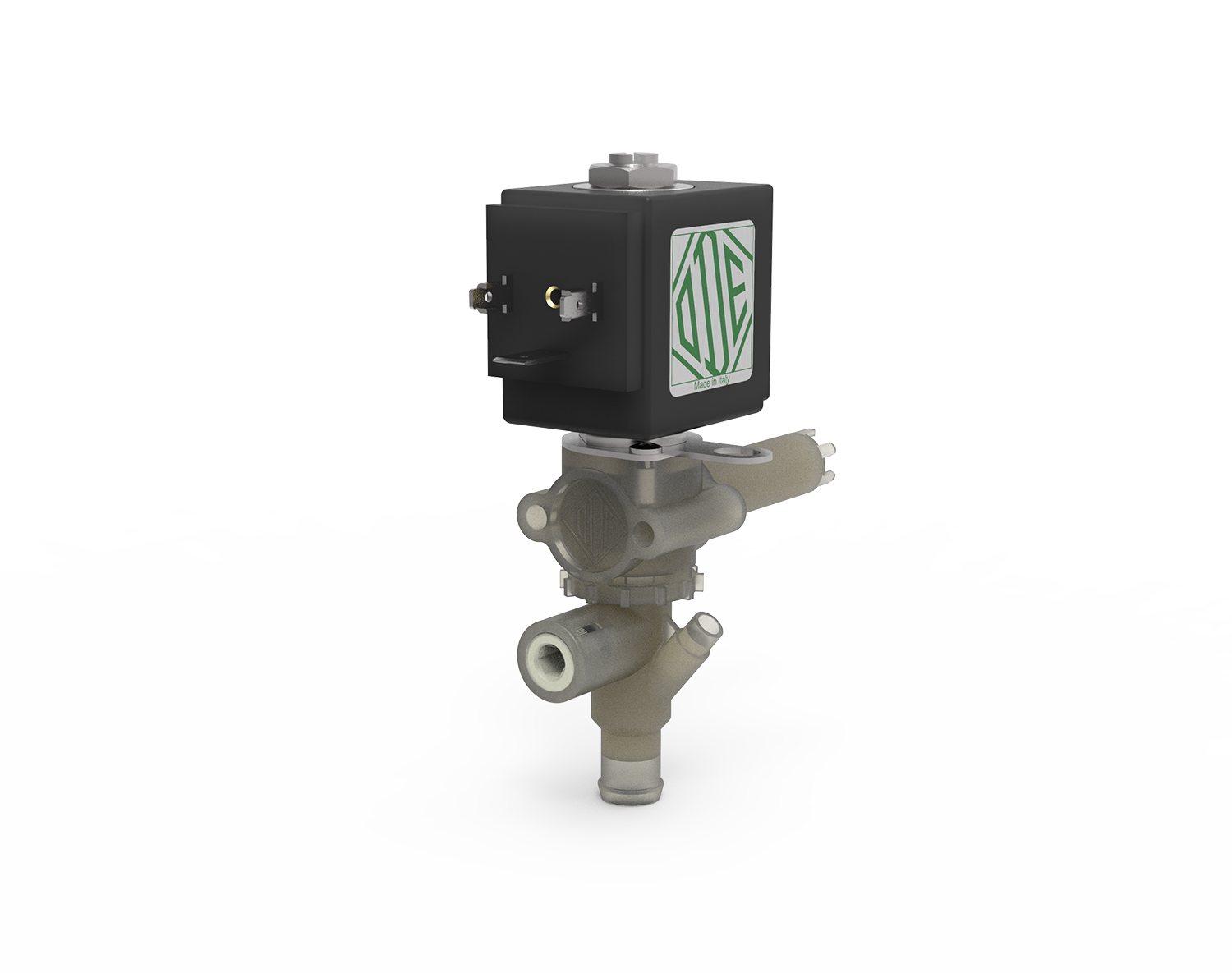
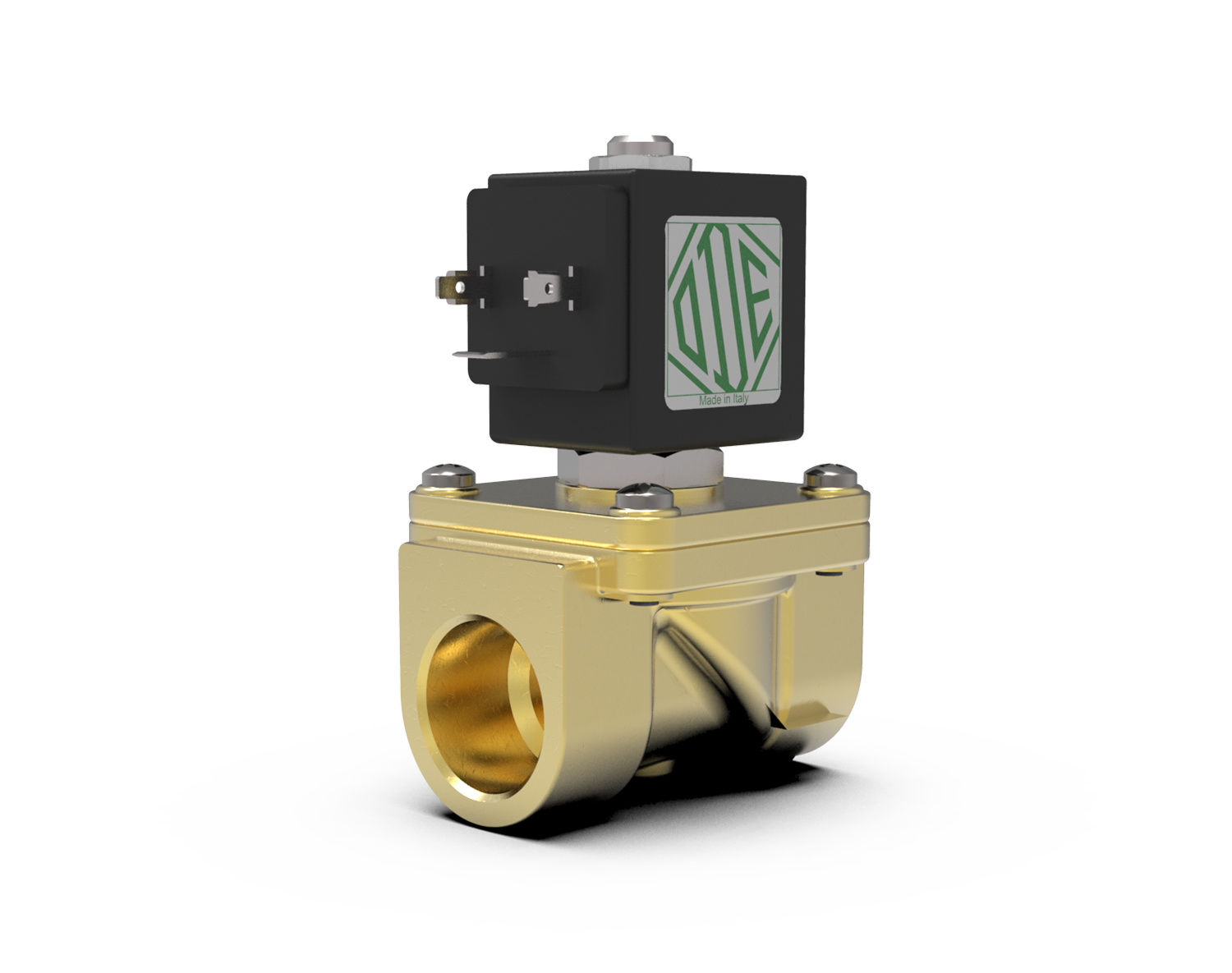
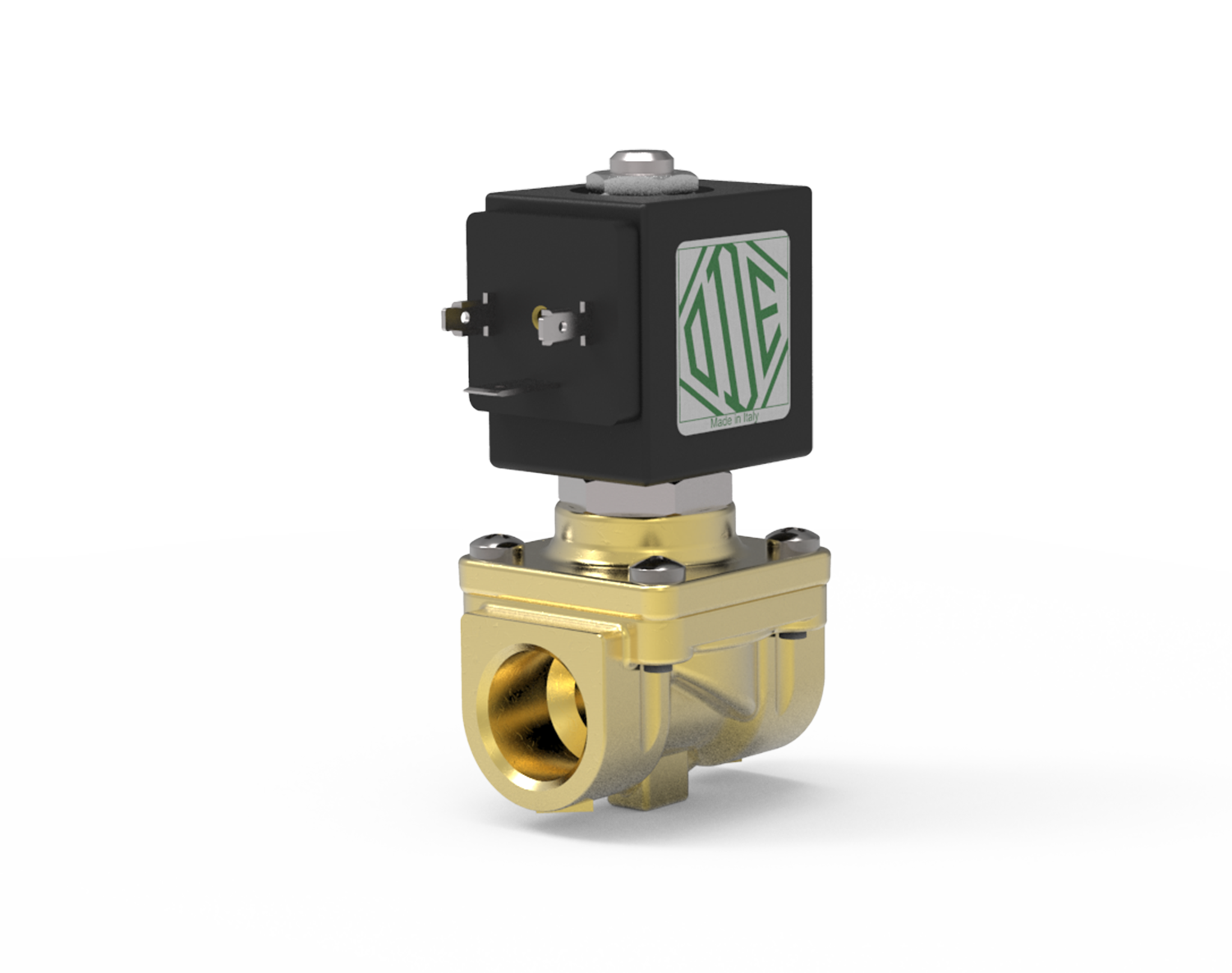
- Solenoid valves: Electrical action with quick opening/closing, ideal for pulmonary ventilators and anaesthetic appliances.
- Proportional valves: They gradually regulate the flow of fluids, used in dialysis and intensive care systems.
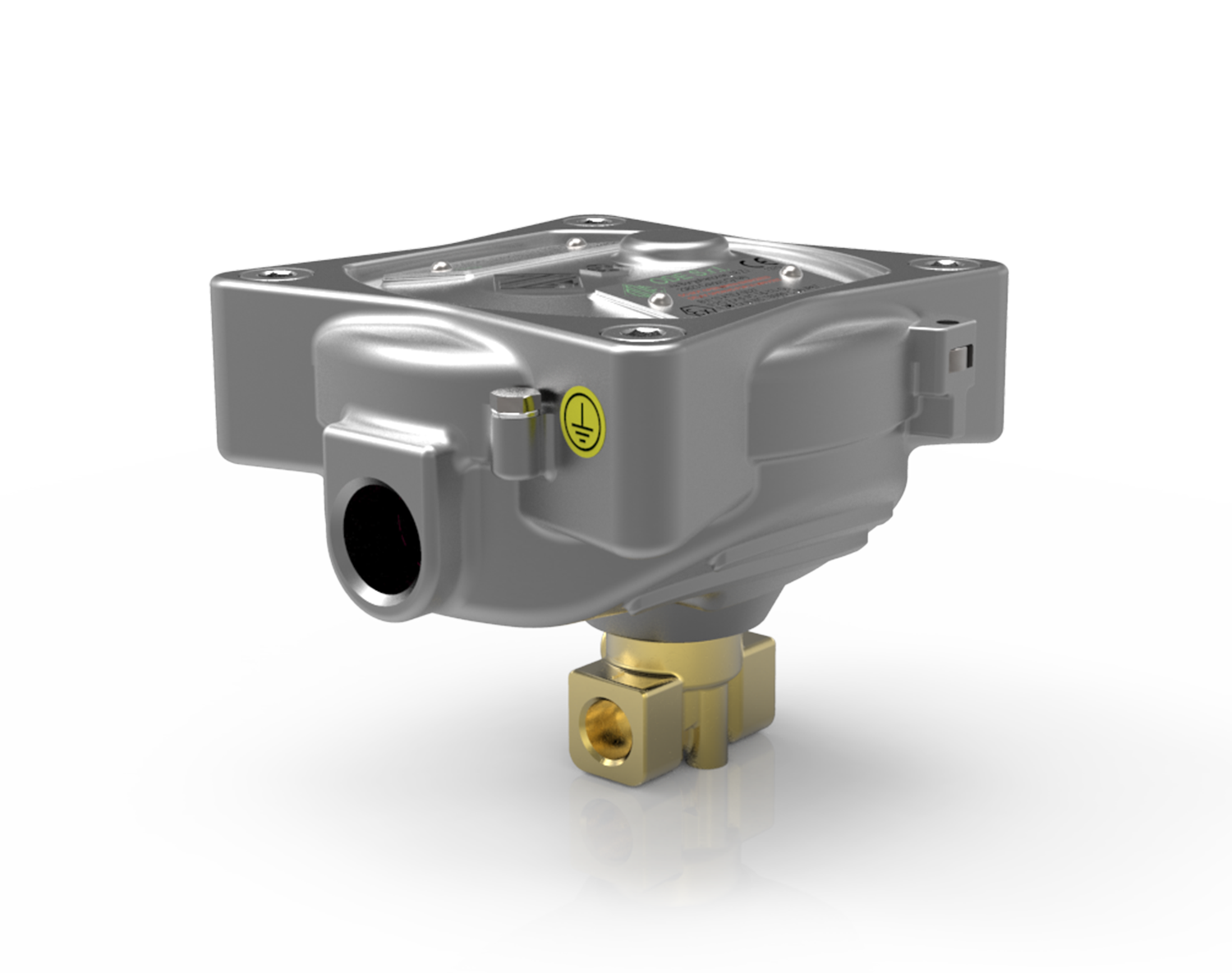
- Safety valves: They automatically discharge excess fluids to avoid overpressures, applied in medical and respiratory gas systems.
- Check valves (non-return): They allow the passage of fluid in only one direction, used for infusions and medical pumps.
Our Medical Valves
Materials and technical characteristics of ODE medical valves
Materials:
stainless steel, nickel-plated brass, medical grade technopolymers.
Operating pressure:
adaptable from low to high pressures.
Reliability:
designed to maintain consistent performance over time, even under critical operating conditions.
Regulatory compliance:
full adherence to international standards (ISO 13485, FDA).
Medical valve applications
Ventilation and anaesthesia:
precise control of the flow of oxygen and anaesthetics in ventilators.
Intensive care:
management of intravenous fluids and medications, life support systems.
Dialysis:
accurate regulation of fluid flow during haemodialysis treatments.
Laboratory diagnostics:
control of reagents and fluids in automated diagnostic systems.
Dentistry:
management of water and air flows in dental equipment.